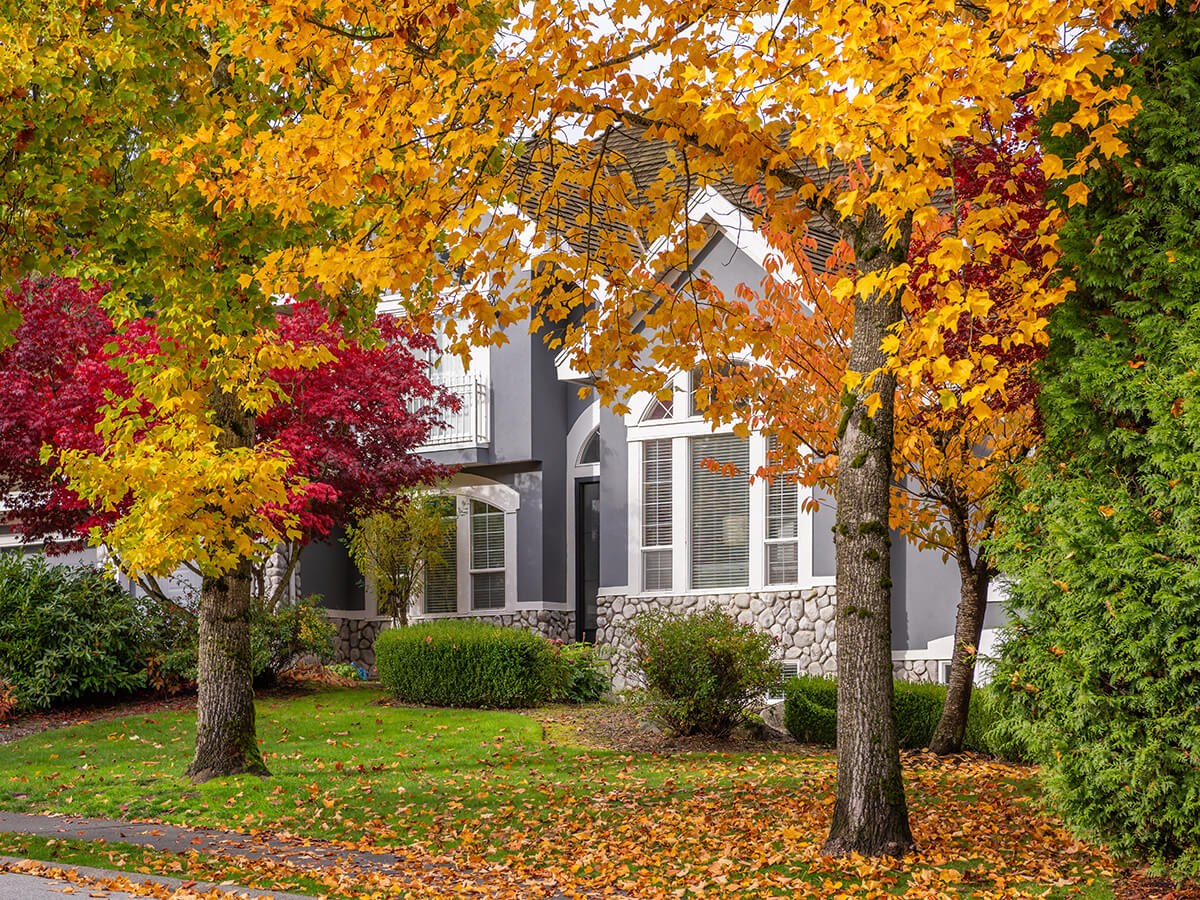
Trees are a beautiful part of any Canadian landscape, but there comes a time when they may need more than just admiration. Whether it’s a few overgrown branches or signs of something more serious, knowing when a tree needs to be trimmed (or removed altogether) can help prevent safety risks and costly damage.
Here’s how to spot the warning signs early and why calling in a professional is always the right move.
Signs a Tree Needs Trimming
Regular trimming not only keeps your trees looking their best – it also helps prevent damage and safety issues. Here are some clear signs that it’s time to schedule a trim:
- Overgrown Branches
When branches start pressing against windows, brushing rooftops, or creeping into utility lines, it’s a sign the tree is growing beyond its space. These limbs can scrape shingles, block sunlight, or interfere with nearby structures.
- Dead or Diseased Branches
Dry, brittle limbs or those with peeling bark, visible fungus, or no leaves during growing season may be dead or diseased. These branches are a falling hazard, especially during strong winds or storms.
- Unbalanced Growth
If one side of the tree looks much fuller than the other, or if limbs are growing at awkward angles, the tree could become unstable over time. Trimming helps redistribute weight and supports healthy growth.
- Low-Hanging Limbs
Branches that droop over walkways, driveways, or block visibility near roads should be trimmed before they become a hazard. They can limit access and pose a risk to people walking or driving underneath.
Warning Signs a Tree Might Need Removal
Not all tree problems can be fixed with a trim. In some cases, removal is the safer and more responsible choice – especially when the tree becomes a threat to people, property, or nearby structures. Here are the most common warning signs to watch for:
- Extensive Trunk Damage
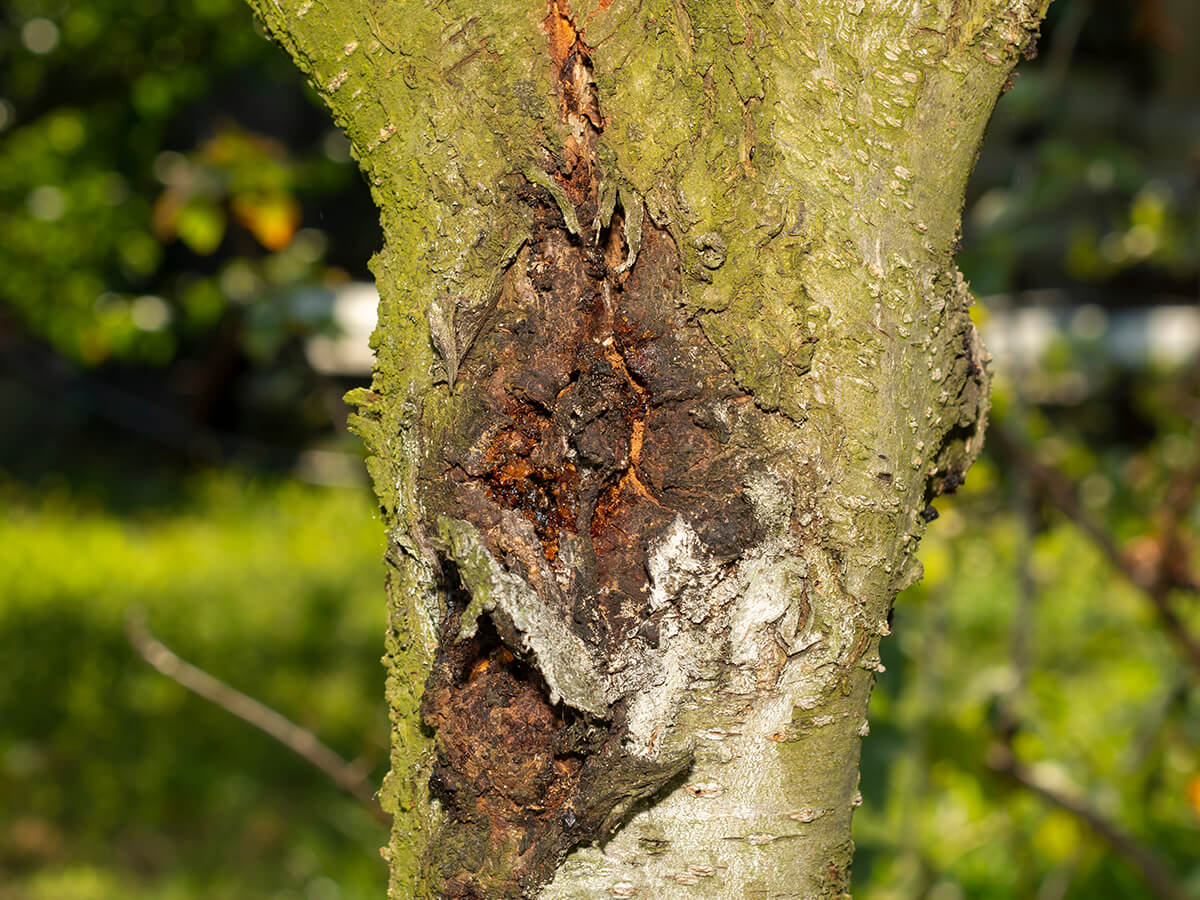
Large cracks, deep cavities, or missing bark are signs the structural integrity of the trunk is compromised. If the trunk is soft or hollow in spots, the tree may no longer be stable and could collapse without warning.
- Severe Leaning
A tree that suddenly starts leaning, especially toward a house or high-traffic area, is a serious red flag. While some trees naturally lean, any recent change in position may point to weakened roots or internal damage.
- Root Problems
Look for exposed or damaged roots, soil that appears lifted, or fungal growth at the base of the tree. These symptoms may indicate root rot or instability, both of which can lead to sudden tree failure.
- Ongoing Health Decline
Trees that consistently fail to leaf out, have thinning canopies, or show signs of stress (like discoloured leaves and stunted growth) may be too far gone to save. If the decline continues despite seasonal changes, removal could be the best option.
- Infestation
Evidence of boring insects, like sawdust around the base or small holes in the trunk, often means the tree is under attack from the inside. Infestations by pests such as carpenter ants or beetles can weaken a tree’s core and increase the risk of collapse.
Why It Matters: Safety and Liability
Ignoring a problem tree doesn’t just put your landscaping at risk – it can lead to serious consequences for your property, your safety, and even your insurance coverage.
- Risk to Property
Weak or overgrown branches can break during storms, damaging roofs, fences, vehicles, or outdoor structures. In more severe cases, an unstable tree could topple entirely, especially if roots are compromised or the trunk is weakened.According to a study, enhanced tree trimming effectively reduces storm-related power outages on electric utility distribution systems, improving resilience during storm events (Parent et al., 2019). That’s not just good for the grid – it’s a clear reminder that regular tree care helps protect homes and neighbourhoods during extreme weather.
- Safety Hazards
Trees in poor condition pose a risk to anyone nearby. Falling limbs or collapsing trees can cause serious injuries to residents, guests, or workers on your property. If the tree was visibly in decline and nothing was done, liability could fall on the property owner.
- Insurance Implications
If a tree damages your home and it’s determined that the problem was known but ignored, your insurance provider may reduce or deny the claim. Regular professional inspections and maintenance help ensure you’re covered if the unexpected happens.
Climate and Seasonal Considerations in Canada
Canada’s climate plays a big role in how trees grow and how they decline. From harsh winters to strong summer storms, trees in every region face challenges that can speed up wear and tear or increase the need for professional attention.
- Winter Damage
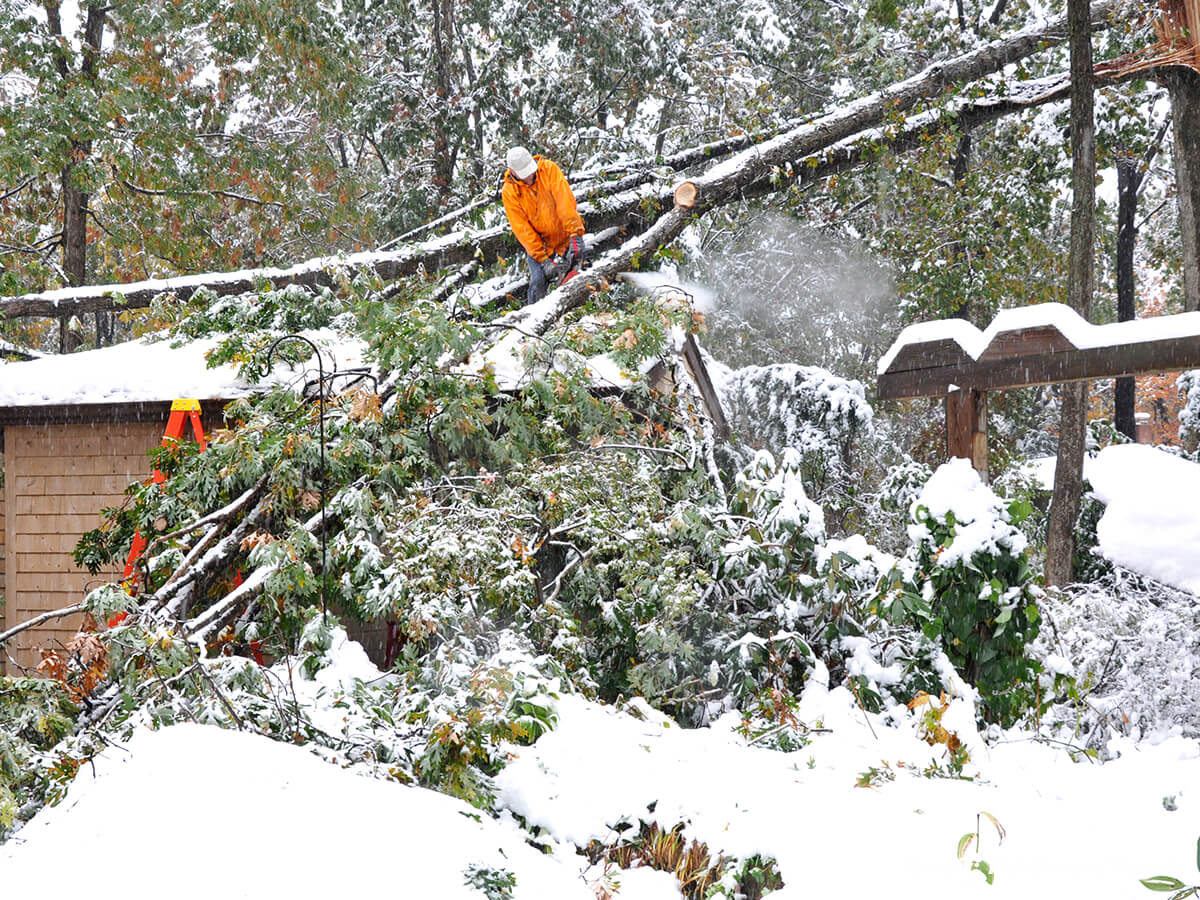
Heavy snow and ice buildup can stress branches, especially on older or poorly trimmed trees. Freezing temperatures may also cause cracks in the trunk or lead to root damage if the ground shifts during deep frost.
- Spring Thaw and Soil Shift
As the ground thaws, soil movement can disturb root systems, especially for trees planted on slopes or close to water. This movement can destabilize trees, making them lean or causing root exposure.
- Summer Storms and Drought
Intense wind, rain, and lightning during summer storms can bring down weak branches or entire trees. Drought conditions also stress trees, making them more vulnerable to disease and decay.
- Fall Cleanup Timing
Autumn is a smart time to assess tree health. As leaves drop, it becomes easier to spot dead limbs, fungal growth, or cracks in the bark. It’s also a good opportunity to prepare trees for winter by removing weak or overextended branches.
When to Call a Professional Arborist
While it’s easy to spot some obvious signs of tree trouble, diagnosing deeper issues and ensuring proper care requires expert knowledge. This is where a professional arborist comes in. If you notice any of the following signs or if you’re uncertain about the health of your trees, it’s always best to call a pro.
- Accurate Diagnosis
Arborists are trained to identify problems that may not be immediately visible to the untrained eye. Whether it’s a disease, pest infestation, or internal damage, they can determine the best course of action – whether it’s trimming or tree removal in Aurora or other local areas.
- Proper Tools and Techniques
Trimming trees safely requires more than just a saw. Arborists have specialized equipment that ensures the job is done correctly and safely. They know how to handle trees of all sizes and can reach branches that are difficult or dangerous to access.
- Preventative Care
Arborists don’t just react to problems – they help prevent them. Regular inspections can catch issues before they become major problems. By understanding the unique challenges posed by the climate and tree species in your area, they can recommend trimming schedules and treatments that keep trees healthy year-round.
- Local Knowledge
Certified arborists have a deep understanding of regional tree species, pests, and common environmental conditions. Whether you’re dealing with the harsh cold of Canadian winters or summer storms, an arborist can ensure your trees are prepared for local challenges.
Tree Trimming vs. Tree Removal: How Pros Decide
When a tree shows signs of trouble, the first question is often: can it be saved, or does it need to come down? Professional arborists follow a clear set of considerations to make that decision – balancing safety, tree health, and long-term impact.
- Extent of Damage
If the tree has only a few dead or damaged branches, trimming is usually enough. However, when the damage reaches the trunk, roots, or more than half the canopy, removal may be the safer choice. Arborists assess how much of the tree’s structure is still healthy and stable.
- Tree Location
Trees growing too close to buildings, power lines, or underground utilities are high-risk – especially if they’re leaning or already weakened. In these cases, trimming may only be a temporary fix, and removal could be necessary to avoid future hazards.
- Potential for Recovery
Not every unhealthy tree is beyond saving. A professional will consider whether the tree can bounce back with proper care. Factors like species, age, and past maintenance all play a role in how likely recovery is after trimming.
- Safety Concerns
If a tree poses an immediate threat to people or property (such as visible leaning, cracked limbs over a driveway, or signs of internal rot) removal is often the only responsible choice. Pros are trained to weigh the level of risk and act accordingly.
- Environmental and Aesthetic Value
In some cases, even a damaged tree may be worth saving due to its age, rarity, or place in the landscape. Arborists can sometimes trim and support these trees using cabling systems or staged pruning to maintain their value while reducing risk.
Maintaining Tree Health Year-Round
Healthy trees need care through every season.
- Start with annual inspections from a certified arborist to catch issues like decay, disease, or weak limbs early.
- Seasonal trimming (usually in late winter or early spring) encourages strong growth and reduces storm risks.
- Mulch helps protect roots and retain moisture, while deep watering is essential during dry periods.
- Keeping soil healthy with occasional fertilization can also support long-term vitality.
- Finally, watch for pests or unusual signs like discoloured leaves or bark damage.
Consistent care keeps trees strong, safe, and better prepared for Canada’s unpredictable weather.
Keep Your Trees Safe, Strong, and Storm-Ready
Whether it’s a routine trim or a serious removal, knowing when to act makes all the difference. If you’re noticing signs of trouble or just want peace of mind, trust the experts to assess your trees with care and precision.
For reliable tree service in Markham and surrounding areas, reach out to Dave Lund Tree Service at (905) 884-0511. Our certified arborists are ready to help you make the right call – keeping your property safe and your trees in top shape year-round.