
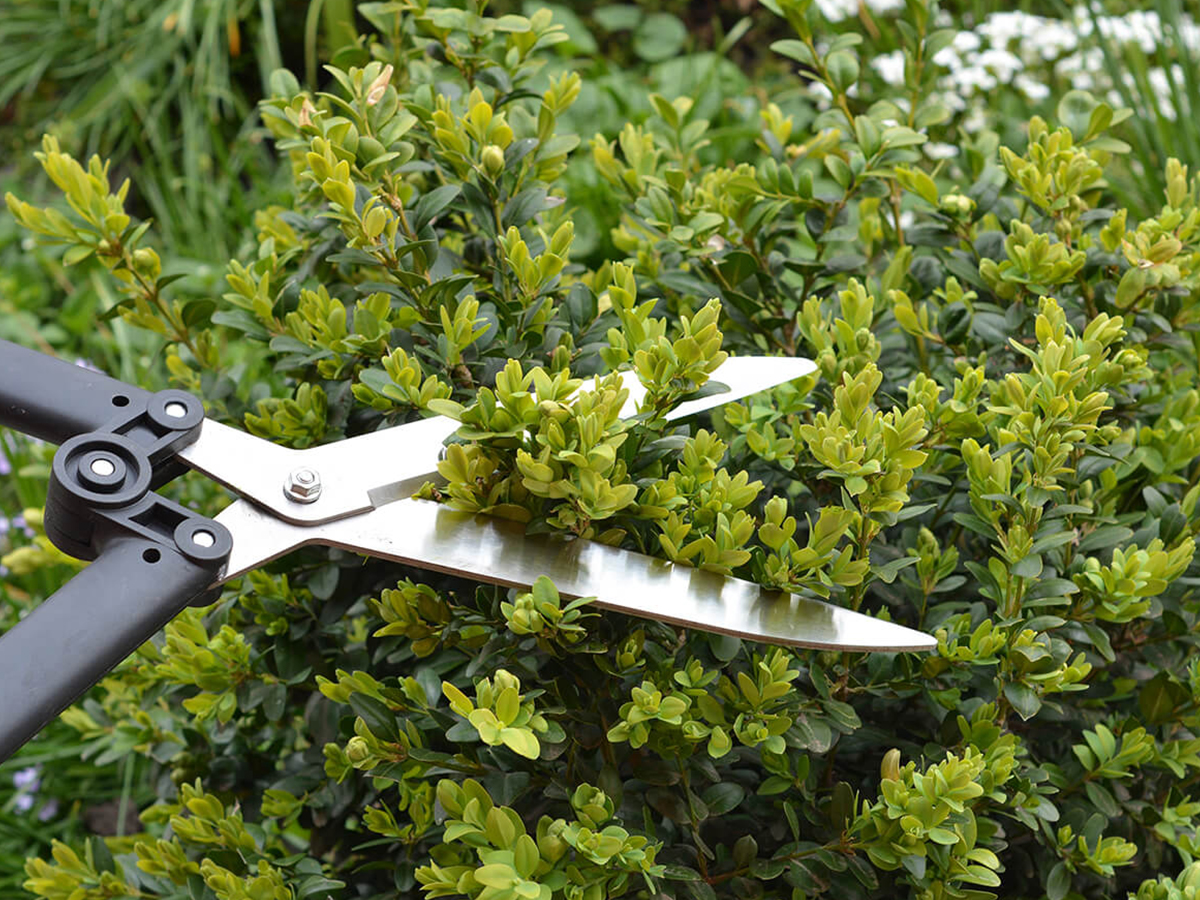
It’s a common thing for many homeowners to take their landscapes for granted. Trees and hedges are commonly assumed to do just fine on their own, with minimal intervention from homeowners, and for the most part that does seem to be the case. However, your hedge, like anything else around the house, deserves its fair share of care. Take trimming your hedge, for example. Over time, the hedge grows, thickens, and leans, all in slow stages, and by the time the change becomes obvious, the hedge has already been signalling for your attention for a while. Catching those signals early keeps maintenance simple and your hedge healthy. And after catching those signs, contacting a trusted tree service can help you prevent any complications and keep the hedge neat, orderly, and healthy.
Here’s a short list of questions to help you manage your hedge and give it the care it deserves.
1. Is the Hedge Growing Past the Shape You Set for It?
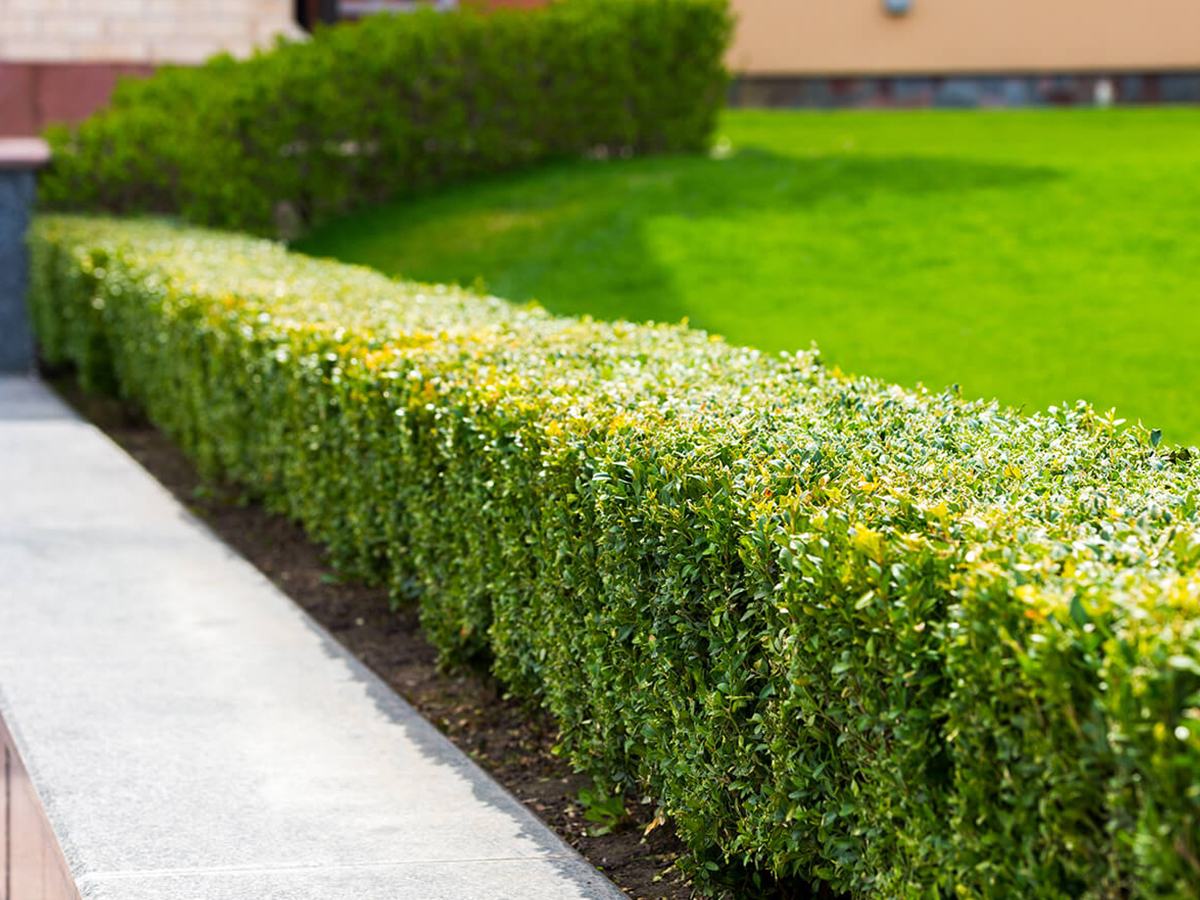
Fast growth is a desirable trait in hedges, privacy hedges in particular. However, there’s too much of a good thing to consider, and in this case an overgrown hedge has its share of problems. When new shoots push beyond the flat planes and clean corners you’ve previously established, the silhouette softens and the hedge becomes too wild to be the defined border it should be. Trimming at this stage means cutting into soft green growth. This section of the hedge will grow back quickly, allowing the hedge to retain its appearance and ability to border while also staying within the bounds you want. Leave it longer and you are cutting into older wood, where regrowth is slower and any bare patches are far more likely to show.
2. Are Branches Reaching Into Walkways, Windows, or Driveways?
A hedge that has started claiming space it was never meant to occupy is overdue for a trim by definition. At an extreme point, an overgrown hedge can grow to a point where it blocks paths, obscures sightlines at the end of a driveway, and presses against siding and window frames to trap moisture against your house. Booking hedge trimming services before the growth hardens lets you impose control over the hedge without having to radically restructure the entire line
3. Has the Interior Turned Bare and Brown?
You’ll sometimes have to take a deeper look at your hedge to diagnose a problem. Pull back the hedge’s outer layer and look inside. Too dense a canopy on top shades everything beneath it. This too-dense layer causes the inner stems to eventually drop their leaves for want of enough light to sustain that section. It’s vital to trim the hedge before the interior goes bare precisely because it may take seasons for those bare sections to green up again, leaving your hedge looking sparse until then. Regular trimming, therefore, is key to keeping the outer shell thin enough for light to reach through.
4. Is the Top Wider Than the Base?
The shape of a hedge matters for its ability to stay intact and stable. A hedge should taper slightly, with the base a little broader than the crown. When the top overhangs the bottom instead, it casts a permanent shadow over the lower branches and those branches thin out in response. The shape can also collect and hold snow, which can lead to those heavy winter loads splitting older hedges open along the middle. Homeowners scheduling hedge trimming in Richmond Hill often find this taper is the single correction that changes how the hedge holds up year after year.
5. Are Dead or Damaged Stems Showing Through?
Trimming a hedge also includes removing any dead or damaged bits of shrubbery from the whole. Excessive snapped tips, hollow stems, and grey deadwood scattered through the green are signs the hedge has been carrying damage without anyone clearing it. This damage is clearly visible to the eye because nothing grows in to cover it. Dead material isn’t just unsightly, however; it also gives insects and fungal issues somewhere to settle. Removing the deadwood during a scheduled trim keeps the problem contained and prevents spreading into healthy sections.
6. Is a Nearby Tree Crowding the Hedge Above?
Sometimes the hedge itself isn’t the issue, but its surroundings. Overhanging limbs from nearby trees can steal light, drip water onto the canopy long after rain, and drop debris that settles into the top of the hedge and stays there. Trimming the hedge when it grows in the shade of a tree isn’t the solution to these problems; instead, the limbs above need attention first. A tree pruning company has the tools and training to lift the tree’s canopy so the hedge below gets the light it needs to fill back in.
7. Has a Full Season Passed Since the Last Trim?
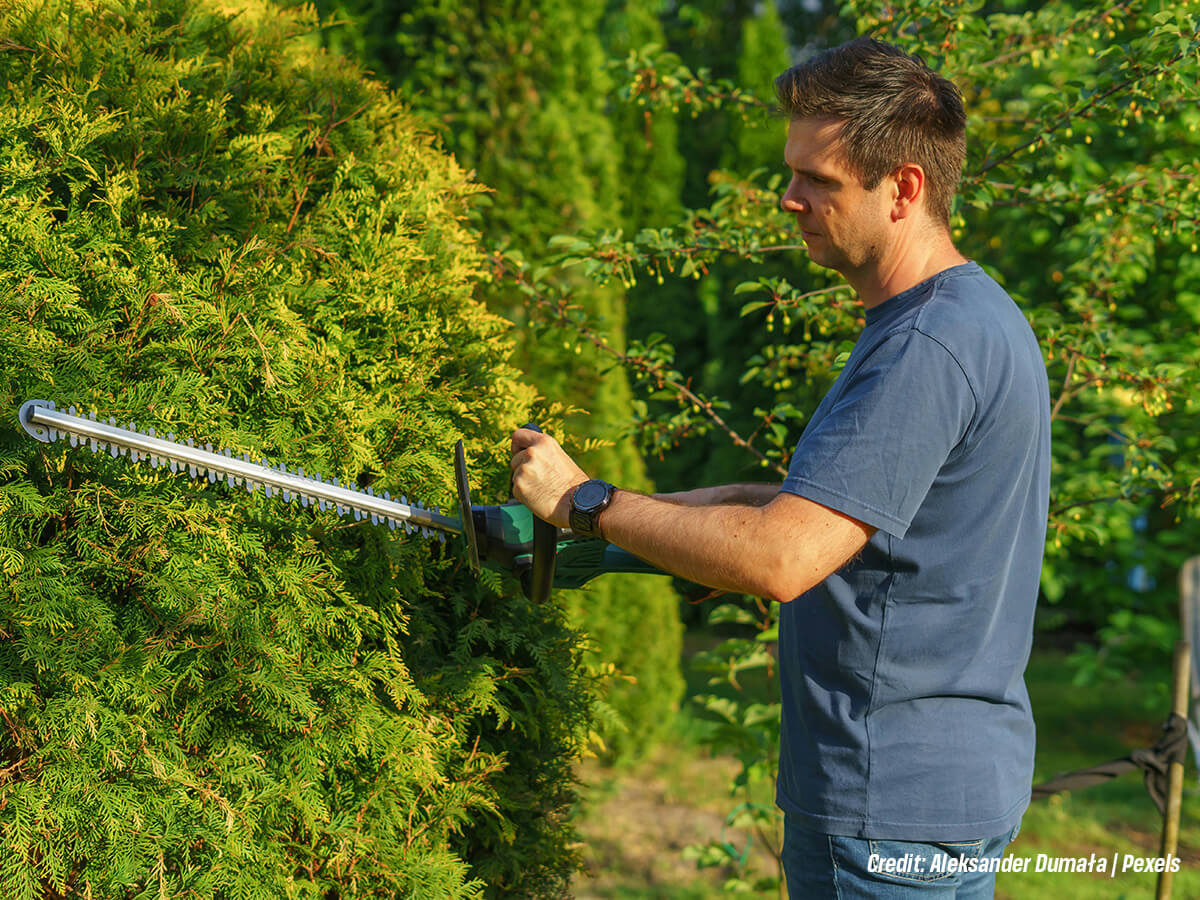
If it’s been too long in general since your hedge’s last trim, it might be time to get one now. Think of the trim as a haircut; just as hair grows back, so does the hedge. As such, the hedge needs regular trimming to prevent overgrowth, plus any issues that may have developed since the last trim. In general, most formal hedges need shaping more than once a year, and informal ones still need at least one pass. If you can’t remember the last time yours was cut, the growth has almost certainly moved past the point where light shearing will restore the shape. Making a habit of your hedge trimmings can make the process more consistent and reliable than simply judging by eye every year.
Like many issues, dealing with your hedges becomes a more forgiving process when it’s done early, before any serious issues have time to develop. Loss of shape, encroachment, and a thinning interior are all reversible when caught early, but each becomes harder to correct once the plant has put its energy into older wood. Making a habit of seasonal checks is a simple task that takes little time, and yet makes it far easier to stay on top of your hedge maintenance and give yours the care it needs.
If your hedges are showing any of these signs, Dave Lund Tree Service offers reliable tree services, from routine hedge shaping to canopy work on the trees above them. Call (905) 884-0511 to book an assessment and get your hedges back into shape.
Frequently Asked Questions
1.How Often Should A Hedge Be Trimmed?
Most formal hedges need two or three trims through the growing season to hold a crisp shape. Informal or slower-growing varieties usually manage with one annual cut, though fast growers may need more.
2. When Is The Best Time Of Year To Trim A Hedge?
Late spring through summer suits most established hedges, once the initial flush of growth has hardened. Avoid heavy cutting in late fall, since new shoots may not harden off before cold weather arrives.
3. Can An Overgrown Hedge Be Cut Back Hard?
Some species tolerate hard renovation and regrow from old wood, while others, particularly many conifers, will not green up once cut past the living foliage. Identify the species before removing more than a light layer.
4. Why Does The Bottom Of My Hedge Look Thin?
Thin lower growth usually arises from insufficient light. A wide, heavy crown shades the base until those branches drop their leaves, so tapering the hedge so the bottom sits slightly wider is the standard correction.
5. Should A Hedge Be Trimmed After Storm Damage?
Yes, it should. Broken and split stems should be cleaned up promptly so the wounds can close, and cutting back to healthy wood keeps the damage from spreading further into the hedge.