
It’s easy for many homeowners to look at their trees and think they do just fine without much help. Trees usually stand tall and strong and independent, and it is all too easy to assume ther’yre fine on their own, at least until a limb starts to crack or the canopy starts to thin.
Your trees deserve as much care as anything else around the house, and year-round care at that. Providing that year-round care doesn’t take massive interventions, it’s more about small, well-timed habits that work together to keep roots, bark, and branches in good condition. Pruning is one example of regular tree care to preserve their health (and for that, a tree pruning company can offer a helping hand). However, pruning is just one thing you can do to make conditions more favourable for your trees. Making pruning and other tree care moves habitual goes a long way to helping your trees stay strong and independent for years to come.
Here’s a short list of guiding questions to give you some ideas to provide that regular, habitual care your trees need and deserve.
1. Are You Watering Deeply Instead of Frequently?
While many homeowners make a habit of watering every day, deeper, less regular watering goes better for your trees. Those short, daily waterings encourage roots to stay closer to the surface, where they tend to dry out fast and offer little stability. Slower, deeper soaks once or twice a week push moisture further into the soil and prompt the tree’s roots to dig deeper as they follow the water. This is particularly vital for newly planted trees. Young trees need that deep watering to help root themselves. Newly-planted trees are also particularly susceptible to drought, and deep watering can help them develop more extensive root networks to reach moisture deeper in the ground to sustain themselves. Established trees can also do well with deep watering, particularly during dry stretches when they need to find as much water as they can get. As a rule, take care to water at the drip line rather than against the trunk, since that area is where the feeder roots responsible for absorbing water and nutrients sit.
2. Have You Checked Your Mulch Ring Lately?
Mulching is one simple yet effective method for better tree care. Mulch moderates soil temperature, holds moisture, and keeps mowers and trimmers away from the trunk, all of which make conditions more favourable for a tree. However, many homeowners make the mistake of piling their mulch against the bark in the shape of a cone. This approach serves to trap moisture against the trunk and roots, and invites rot and pests to threaten the tree. Keep the layer a few centimetres deep and pull it back from the trunk so the root flare stays visible.
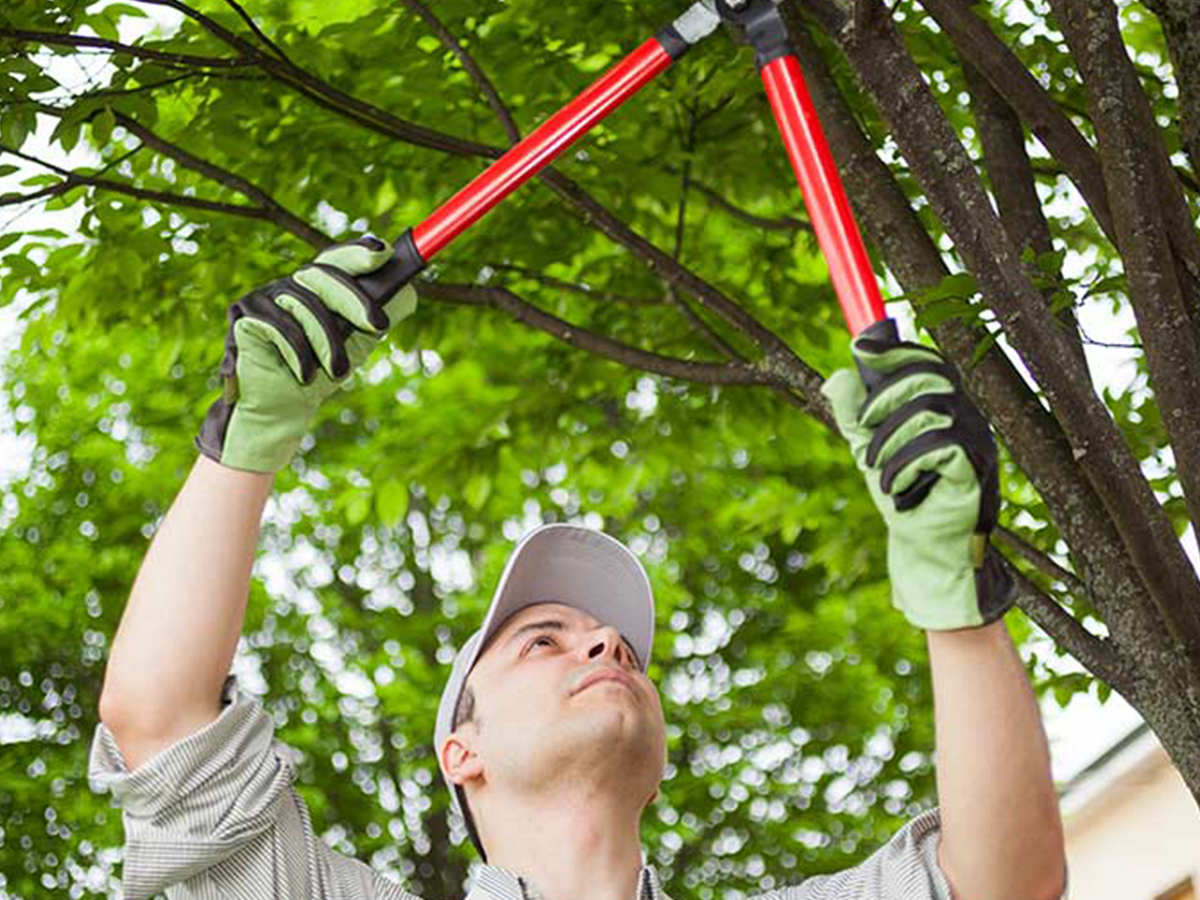
3. Do You Know When to Prune and When to Wait?
Timing matters, especially when it comes to pruning a tree for its health and stability. Doing the work at the right times goes a long way to ensuring a tree recovers from a cut. Most species handle structural work best in late winter, when they are dormant and wounds close quickly once growth resumes. Dead or hazardous limbs, on the other hand, can be and are best removed immediately regardless of the time of year. Meanwhile, flowering trees follow their own schedule and are usually pruned right after they bloom. If you are unsure where your species fits, a tree pruning service in Markham can confirm the right window before any cuts are made, ensuring the work is done correctly.
4. Are You Inspecting for Pests and Disease Each Season?
Inspections are always a good idea when it comes to looking after your trees. Taking a slow, deliberate walk around each tree a few times a year goes a long way to catching trouble while it’s still at a manageable stage. Look for holes in the bark, sawdust at the base, sticky residue on leaves, and patches of discoloured or curling foliage; these are all signs of common diseases and pests that affect most trees. Take particular care to compare one side of the canopy with the other, since thinning on a single side often points to a root or trunk issue rather than a leaf problem. Note what you see and when, so you can tell a seasonal quirk from a developing pattern.
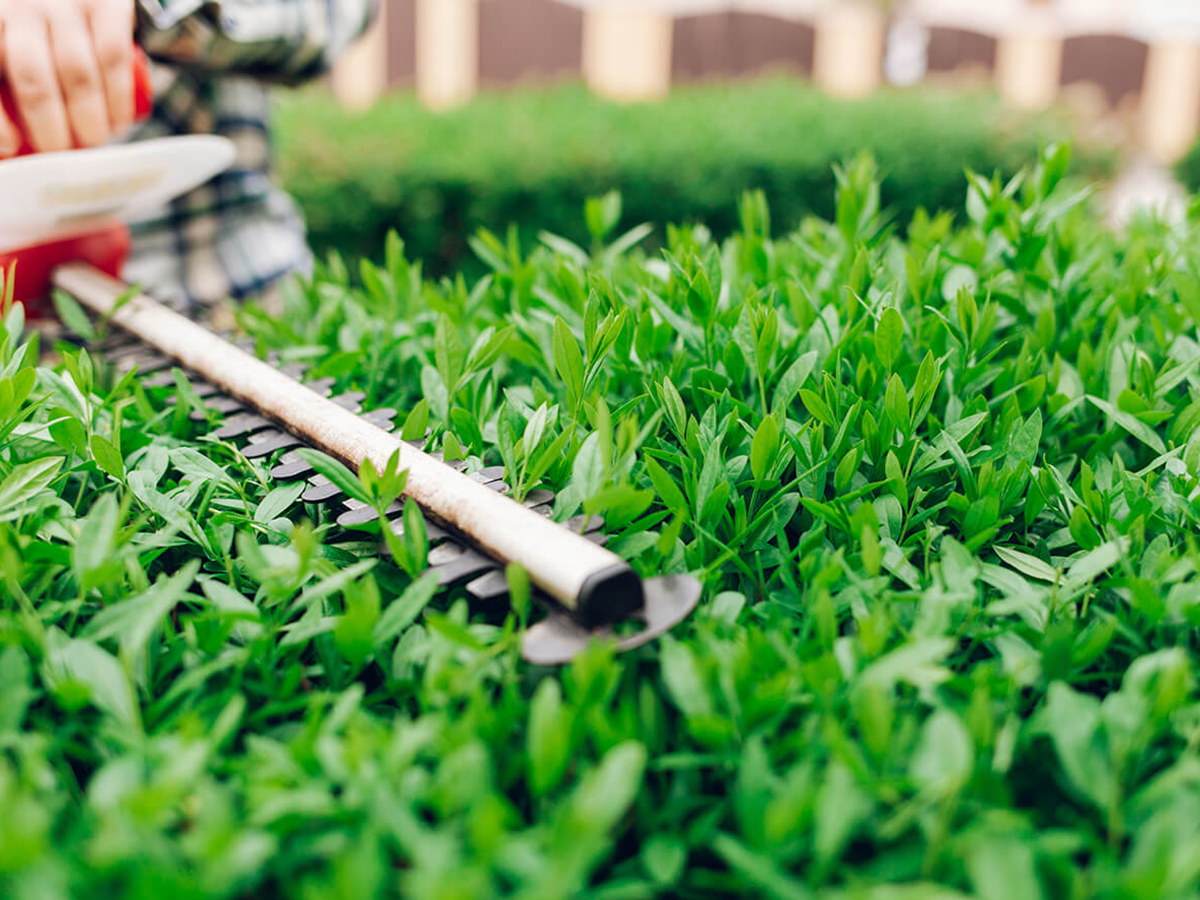
5. Is Your Hedge Line Getting the Same Attention as Your Trees?
Your hedges deserve as much care as your trees; fit them into your routine along with your trees to provide maximum TLC for your landscape. Hedges can crowd quickly and shade out their own lower growth, leaving bare, woody stems that rarely fill back in. Trimming with a slightly wider base than top lets light reach the bottom branches and keeps the shape dense from the ground up. Overgrown hedges also hold moisture against fences and walls and give pests a bridge into nearby trees. Regular visits from a Richmond Hill hedge trimming service goes a long way to keeping the line tidy without forcing hard cuts later.
6. Are You Protecting Roots from Soil Compaction?
The health of your trees’ roots is vital to the rest of the tree. Most root activity happens in the upper layer of soil, spreading well beyond the branches overhead. However, vehicles, equipment, and constant foot traffic can press that soil flat. This compaction makes it harder for roots to penetrate the soil and impedes water from seeping into the ground for the roots to absorb. Keep heavy loads off the root zone during renovations or landscaping projects, and use mulch or ground cover on paths that get repeated use. Aerating the soil can relieve compacted areas as well, though take particular care around established roots to avoid damaging them.
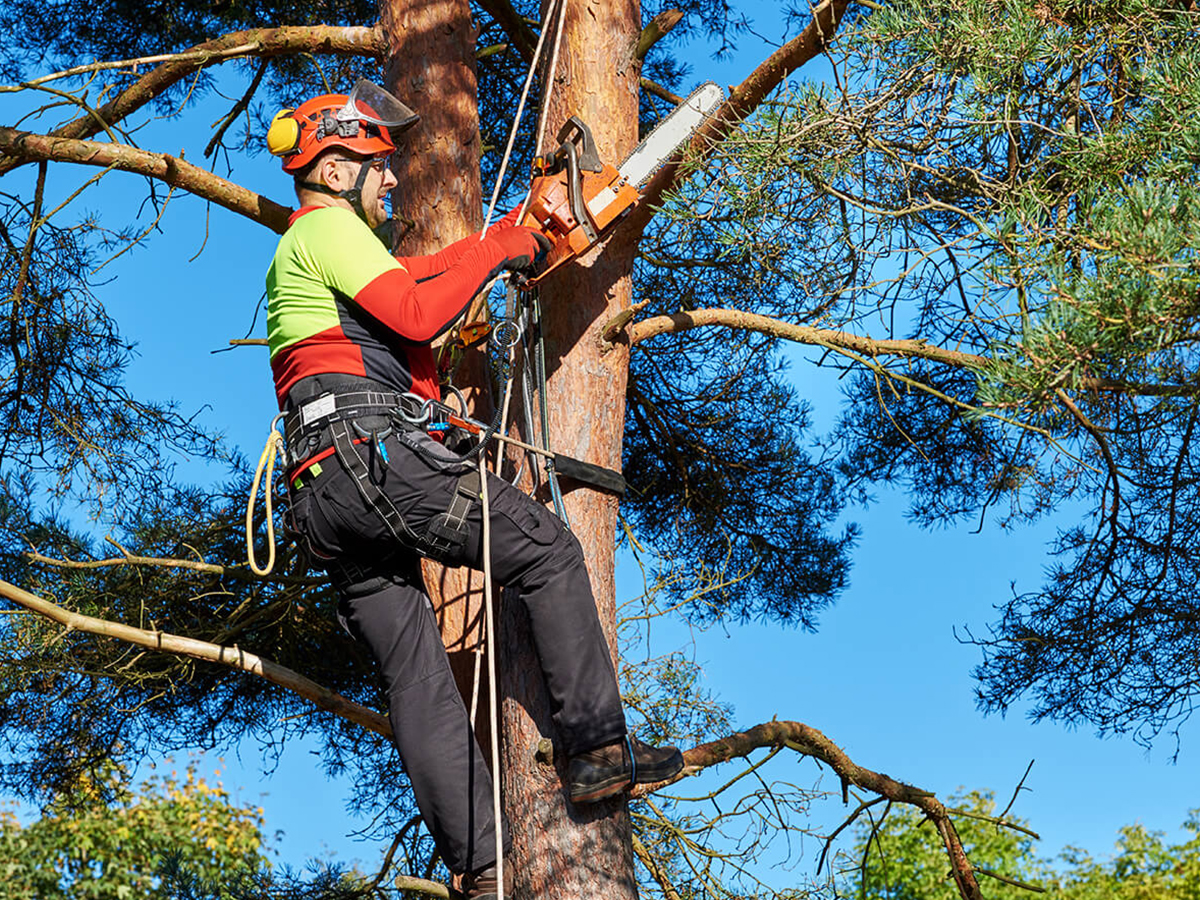
7. Do You Have a Professional Assessment on the Calendar?
Some conditions are hard to spot at eye level. Cracks in upper limbs, decay at branch unions, and root damage often stay hidden until a storm exposes them. Rather than handle the job entirely on your own, an arborist can climb or use equipment to check the parts of the canopy you cannot see and flag issues while they are still repairable. Scheduling a trusted tree service to look at your trees once a year also lets you build a record of how each tree is changing over time.
Consistent care is always key to keep small issues from turning into removals. Dave Lund Tree Service works closely with our clients on pruning, hedge trimming, and seasonal assessments to help you watch over your trees and provide the appropriate care to keep them healthy. Call us now at (905) 884-0511 to book an inspection or ask about scheduling before the next season begins.
Frequently Asked Questions
1. How Often Should a Mature Tree Be Inspected?
Once a year is a reasonable baseline for most established trees, with an extra look after heavy storms, ice, or high winds. Trees near driveways, walkways, or structures deserve closer attention because a failure there carries more consequence.
2. Can I Prune a Tree Myself?
Small branches within easy reach from the ground are manageable with clean, sharp tools. Anything requiring a ladder, a chainsaw, or work near power lines should be left to a crew with proper equipment and training.
3. What Signs Suggest a Tree May Be Unsafe?
Watch for leaning that has changed recently, cracks in the trunk, mushrooms at the base, hollow sections, and large dead limbs still held in the canopy. Soil lifting on one side of the base is another warning worth acting on.
4. Do Trees Need Fertilizer?
Not always. Trees in healthy soil with a good mulch layer often get what they need naturally. Fertilizer helps most when a soil test shows a specific deficiency, so testing first avoids feeding a problem that is not there.
5. When Is the Ideal Time to Plant a New Tree?
Early spring and early fall both work well, since mild temperatures and steady moisture let roots settle before summer heat or winter cold arrives.