
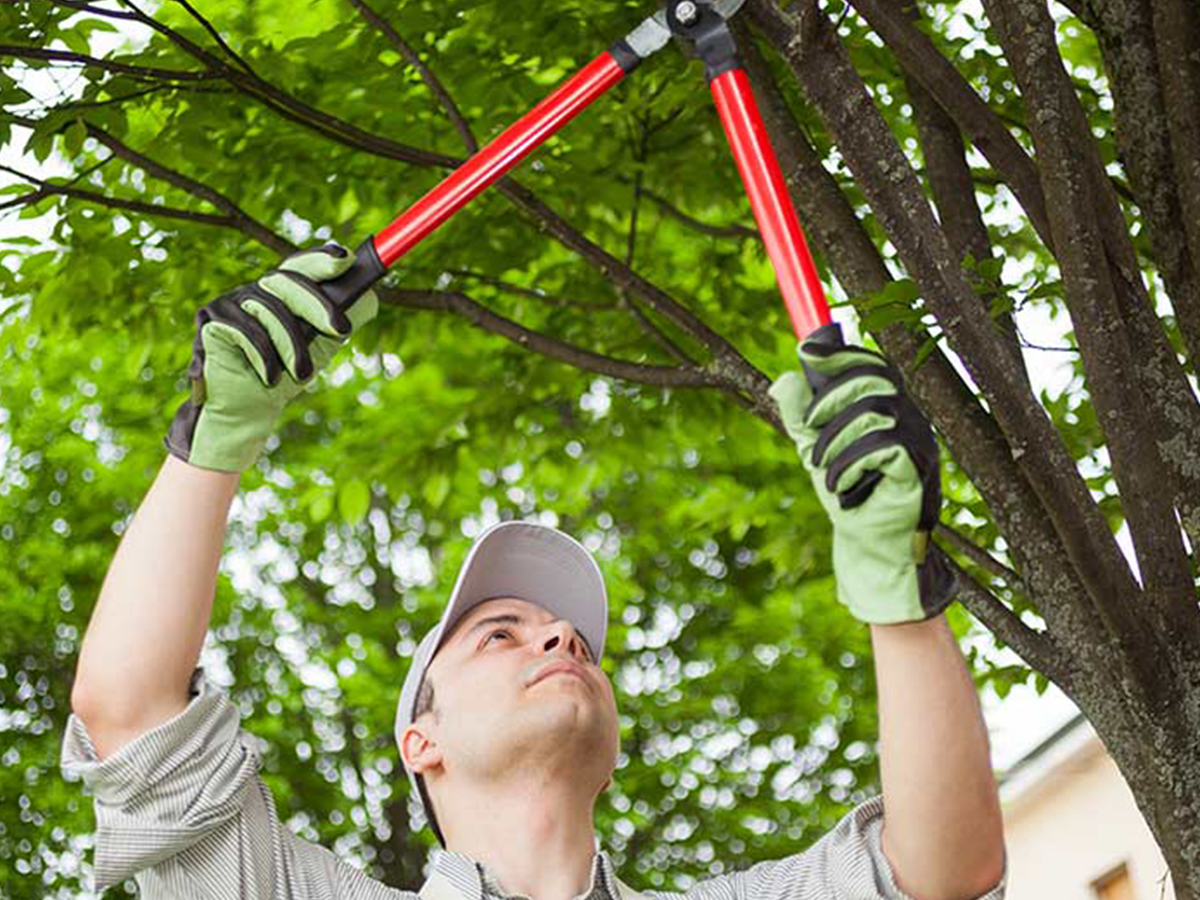
Your home trees might look self-sufficient and in little need of any intervention from you, at first glance anyway. For the most part, they stand over your home and give you plenty of shade and comfort, and seemingly with minimal help. However, like any other part of your home, your trees still need and deserve your help to stay healthy and vibrant. Vibrant trees are a boon for homes and cities both, urban forests in particular having considerable benefits on cooling, air quality, and health. As such, the easiest way to continue benefiting from your trees is to look after their health.
However, one problem with looking after a tree’s health is that they hardly ever decline overnight. Dead limbs, crowded canopies, and weak attachments can take years to develop, much less become noticeable. It’s common that by the time the symptoms are obvious, you have fewer options to deal with them that don’t impact the tree’s health in some way. Luckily, there is a measure you can use to keep those problems in check before they become serious. Professional pruning is the main course that keeps small structural issues from becoming permanent ones. Contacting an arborist for tree pruning and hedge trimming in Newmarket goes a long way to keeping your landscape healthy and appealing. A trained arborist reads how a tree is built, removes the growth working against it, and leaves the rest with better support for the decades ahead.
Here’s a short list of guiding questions to help you understand exactly what a professional arborist can bring to the table here.
1. How Does Removing Dead and Diseased Wood Protect the Rest of the Tree?
Pruning does more than thin a canopy; it’s also a measure for removing deadwood that no longer benefits a tree. Dead, dying, and infected branches are common entry points for decay organisms and wood-boring insects that can impact the tree’s health and stability. Once that material sits in the canopy, healthy tissue nearby stays under pressure from pathogens that now have a way to reach the trunk given enough time. Residential tree pruning starts by clearing this wood out so the tree doesn’t spend its resources defending limbs that no longer have a chance of recovery. Removing any dead limbs also makes the remaining canopy easier to inspect on future visits and eases the task of future maintenance.
2. Why Does Early Structural Pruning Matter as a Tree Matures?
Trees don’t always grow in ways that are convenient to homeowners. It’s common for young trees to develop competing leaders, narrow branch unions, and crossing limbs that rub against one another. Left alone, these defects become permanent as the wood thickens, and correcting them later means removing large limbs (which can then leave sizeable wounds in a tree’s bark that can compromise its health later). Structural pruning in those early years guides a tree toward a single dominant leader and evenly spaced scaffold branches. At that age, the cuts are small, the tree closes them quickly, and the changes made to the canopy make it more stable as the tree grows taller.
3. Can Thinning the Canopy Improve Airflow and Light Penetration?
A dense canopy holds moisture against leaves and bark long after rain stops; those damp conditions then contribute to fungal growth. Selective thinning opens gaps that let air move through the crown and dry the foliage faster. Light reaching the interior also supports leaf development on inner branches, which otherwise shed as they become shaded and unproductive. Thinning is done by removing whole branches at their point of origin rather than shortening the tips.
4. How Does Pruning Reduce the Risk of Storm Damage?
One of pruning’s objectives is making the canopy more stable, especially in the face of heavy winds. Wind loads tend to concentrate on limbs that are overextended, poorly attached, or weighted heavily at the ends; these limbs are at particular risk of failure and are common targets for arborists to remove. Shortening those limbs and clearing deadwood lowers the leverage acting on the union where a branch meets the trunk. Homeowners looking into tree pruning in Newmarket are advised to remove any at-risk limbs before storm season hits (the better to eliminate those limbs before bad weather can tear them free).
5. What Does Pruning Do to the Way a Tree Allocates Energy?
Pruning is usually done to stabilize a tree, but it’s also a way to stimulate new and more constructive growth too. A tree distributes the carbohydrates produced in its leaves to roots, stems, and new growth. However, any branches that are shaded, damaged, or unproductive still draw on those reserves without contributing much in return. Careful removal of that growth allows the tree to redirect resources toward limbs that are healthy and better positioned in the crown (which are more prudent areas for the tree to redirect its efforts towards). Take note that this is a gradual effect rather than an immediate one, and results are likely to become noticeable only after several seasons as denser foliage and steadier growth.
6. Why Does the Timing of Pruning Affect Recovery?
As a rule, one of the most ideal times to prune a tree is in late winter. Most deciduous trees respond best to pruning during dormancy, when the structure is visible and insect and fungal activity is low. Cuts made in late winter begin closing as growth resumes in spring, allowing your efforts to coincide with the tree’s natural rhythms. Some species, including maples and birches, bleed sap heavily if cut out of winter, and oaks carry a higher disease risk when pruned during active beetle season. Matching the schedule to the species goes a long way to making the most of your efforts and minimizing any trauma to the tree.
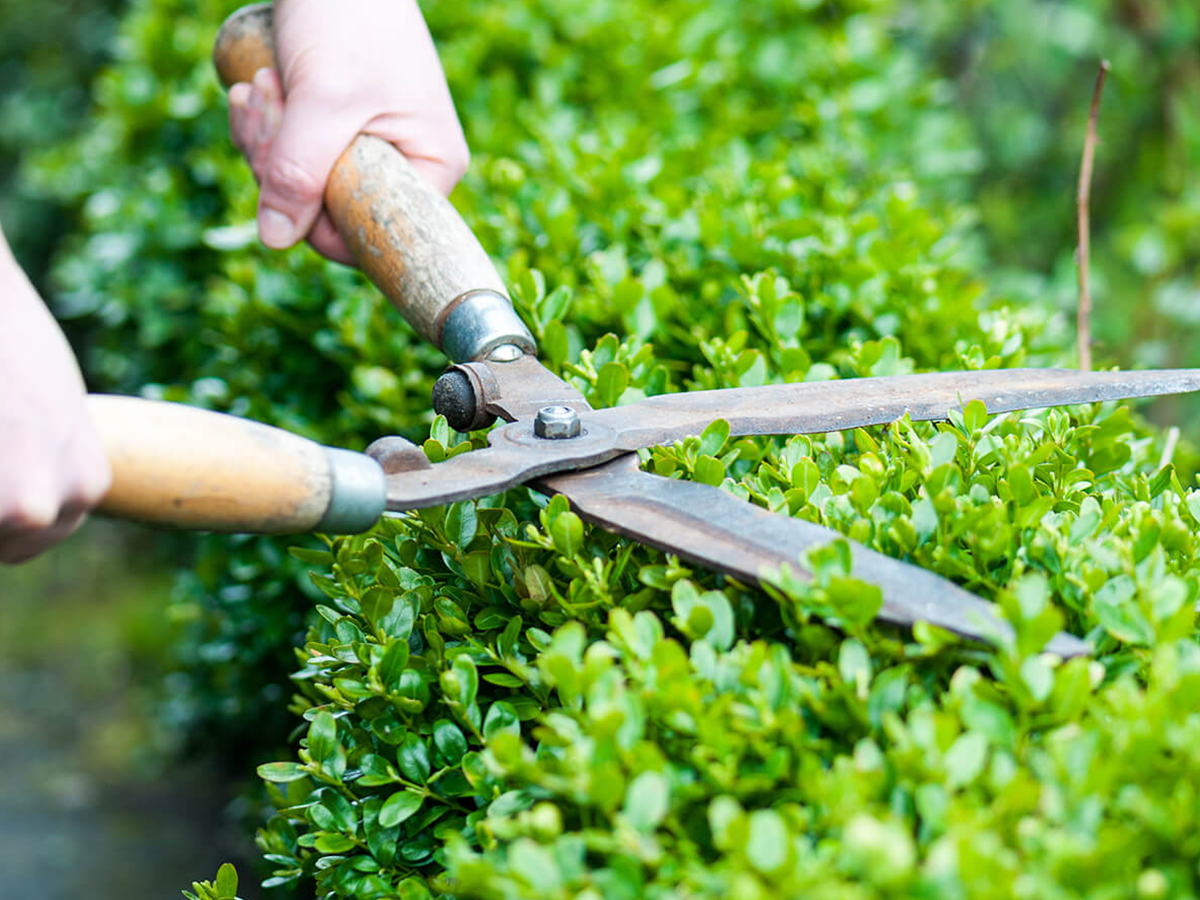
7. Should Hedges and Shrubs Follow the Same Care Schedule?
Hedges face many of the same problems as trees: shading, dieback in the interior, and dense outer growth that traps moisture. Regular hedge trimming in Bradford keeps the base wider than the top, allowing light to reach the lower foliage and ensuring the hedge stays full from the ground up. Arranging for hedge trimming alongside the tree work often results in the whole planting responding better, since the same principles of airflow, light, and cut placement apply across the landscape.
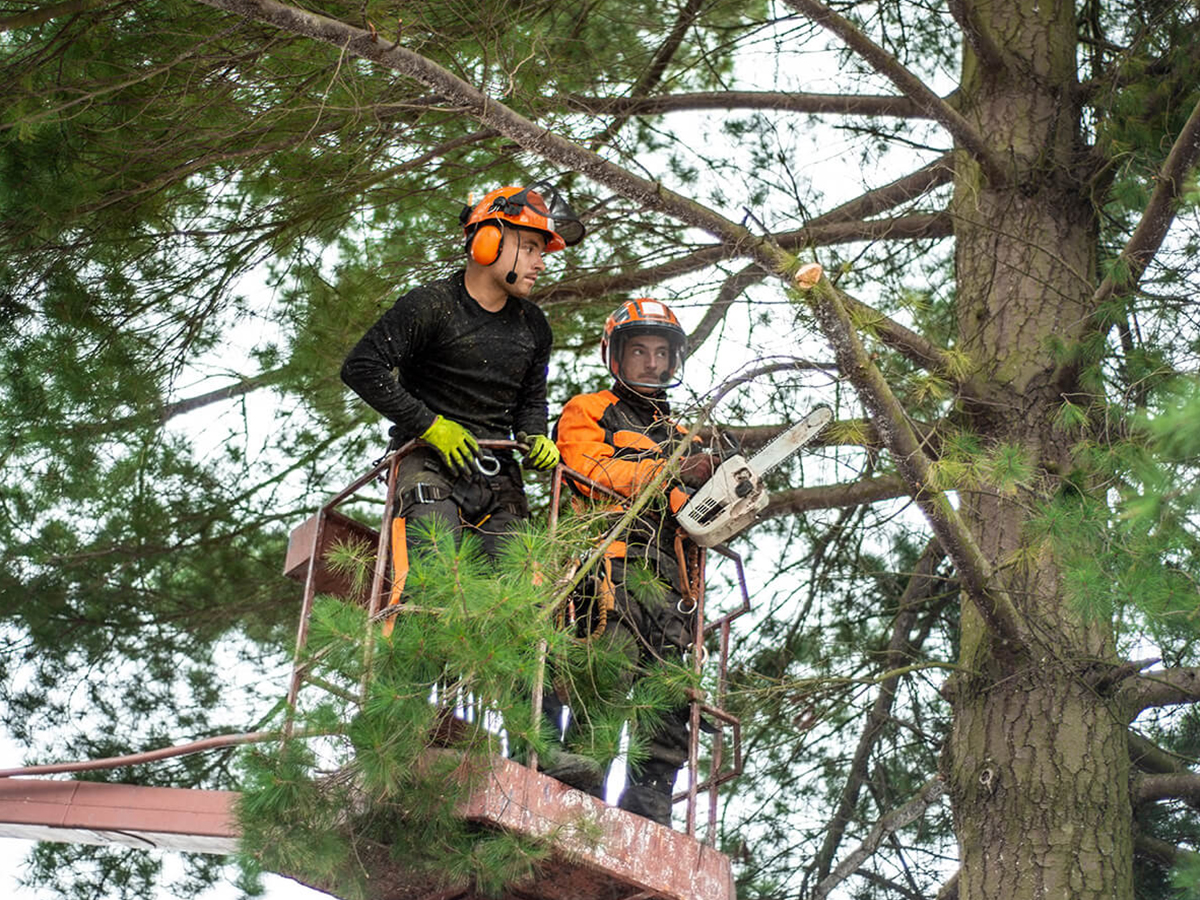
Keeping the Work on a Schedule
Pruning is not a one-time correction. Trees keep growing, wounds keep closing, and new defects form as branches lengthen and add weight. The simple way to keep up with those regular changes in your trees is by making time to inspect them regularly. A regular inspection cycle allows small cuts and alterations to be made before they have to become large ones, and it gives someone familiar with the property a record of how each tree has responded over time. Working with an experienced tree service company means the pruning plan accounts for species, age, site conditions, and what you want from each tree. The trees standing on your property now are the ones you will have for decades, and consistent, well-timed pruning is what keeps them sound.
Pruning done at the right time, in the right place, keeps trees sound for decades. Dave Lund Tree Service handles residential pruning, hedge trimming, and tree care across Newmarket, Bradford, and the surrounding area. When you need a reliable partner to help you look after your trees, you can count on us for full tree care. Give us a call now at (905) 884-0511 and get the support you need to give your trees the care they deserve.
Frequently Asked Questions
1. How Often Should Mature Trees Be Pruned?
For most mature deciduous trees, a cycle of pruning every few years tends to give better results than annual pruning. Meanwhile, young trees in particular benefit from more frequent structural attention. The right interval depends on species, growth rate, site conditions, and past care, and for this your arborist can lend a hand with finding the optimal pruning schedule for your trees.
2. Can Pruning Ever Harm a Healthy Tree?
Yes, if done incorrectly. Removing too much live foliage at once, topping the crown, or leaving stubs are all unhealthy approaches that reduce a tree’s ability to close wounds and produce food.
3. Should Pruning Wounds Be Sealed or Painted?
In most cases, no. Trees compartmentalize damage on their own, and sealants can trap moisture against the wound. Proper cuts made just outside the branch collar close naturally without added dressing.
4. Is It Safe to Prune in Summer?
Light corrective work is usually fine, though heavy pruning during active growth stresses the tree and raises the chance of pest and disease problems. Dormant-season pruning suits most species better.
5. What Are Signs a Tree Needs Pruning?
Watch for dead or hanging limbs, branches rubbing together, growth crowding the roof or driveway, and thin foliage in the interior of the crown. Any of these warrants a closer inspection.