
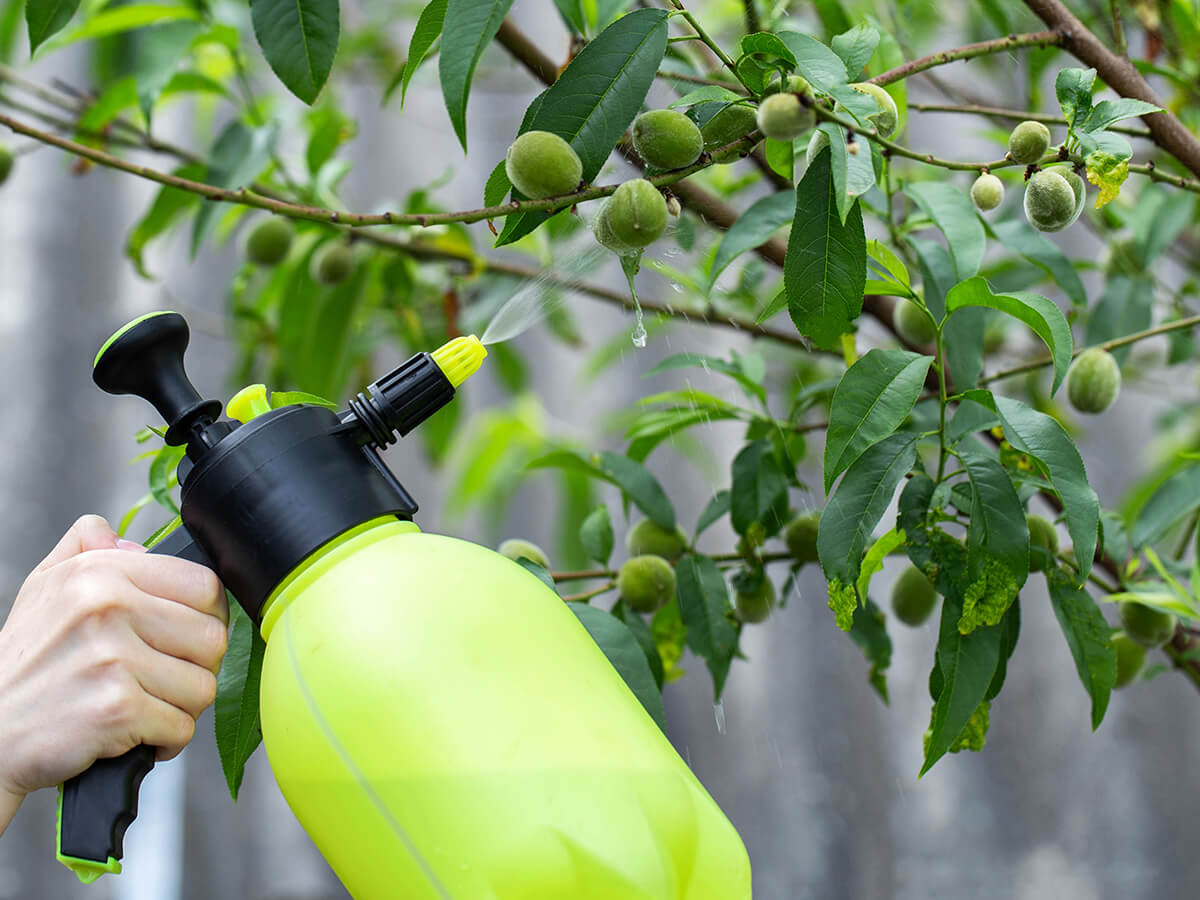
There’s no denying there’s a majesty to a tree, especially if it’s a tree on a property. While it’s easy to admire a towering mature tree as part of a landscape, it’s also easy to assume that that eye-catching tree is a self-sufficient organism. It’s common for many homeowners to plant young saplings and leave them to nature’s whims. However, caring for a tree properly is a more complex task than many homeowners assume. Trees in urban and suburban landscapes face unique challenges unlike their wild counterparts in natural forests. From introduced pests to compacted soils, modern trees require proactive care to achieve their maximum lifespan and maintain structural vigour. Among the most effective methods for ensuring this longevity is regular tree spraying. This consistent regimen provides an invisible shield, bolstering natural defences and ensuring trees thrive for generations.
Here are some benefits your trees can enjoy once you make spraying a part of your regular care routine.
1. Combating Persistent and Destructive Pests
One of the primary threats to the longevity of any tree is the presence of herbivorous insects and wood-boring pests. Many of these pests emerge in spring, and without your intervention a multitude of insects may well make themselves at home inside your trees. Aphids, scale insects, caterpillars, and borers can silently strip a tree of its foliage or destroy its internal vascular system, thereby damaging it and with it the tree’s value to your home. Knowing how to identify these pests (and particularly in winter, when these pests can hurt a tree while it’s dormant) is paramount to protecting your trees effectively. Regular spraying helps counteract these threats; by applying targeted horticultural oils and insecticidal soaps, homeowners can disrupt the life cycles of these pests before an infestation reaches a critical threshold. Dormant oil sprays can also be applied during the colder months when temperatures hover just above zero. These sprays coat the branches, effectively smothering any overwintering insect eggs hidden within the bark crevices. This preventative measure ensures that when the spring warmth arrives, you can prevent the tree from being overwhelmed immediately by a sudden population explosion.
2. Preventing the Spread of Devastating Fungal and Bacterial Diseases
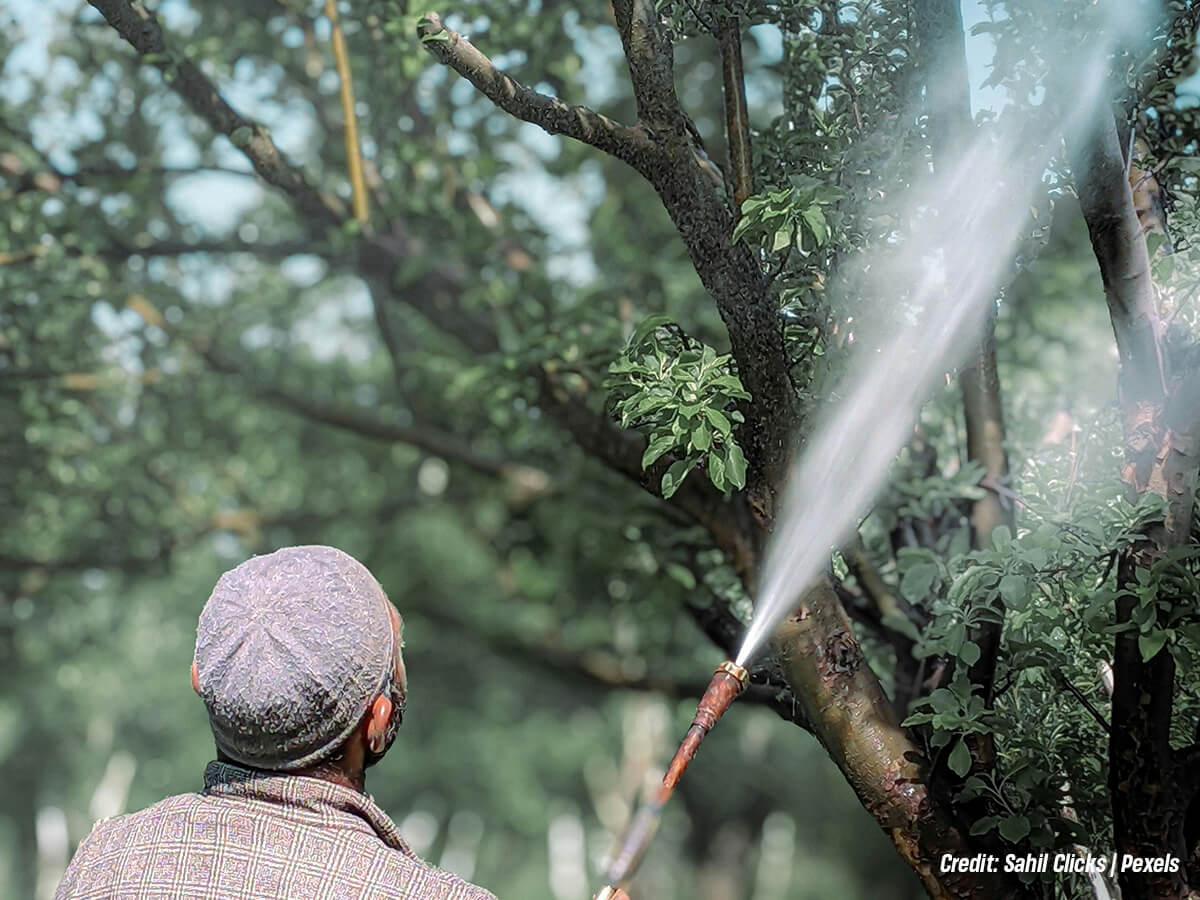
Beyond the visible threat of insects, trees are highly susceptible to microscopic enemies, including airborne fungi and invasive bacteria. Diseases such as apple scab, powdery mildew, and rust can rapidly defoliate a tree, severely limiting its ability to photosynthesize. When a tree loses its leaves prematurely, it loses much of the ability to gather the energy needed to grow roots, compartmentalize wounds, and store winter reserves. Aside from familiarizing yourself with some of the most common tree diseases and their symptoms, it’s also prudent to provide your trees with preemptive care to minimize any chance of infection in the first place. Regular fungicidal spraying is a critical preventative strategy to minimize that risk to your trees. Because fungal spores rely on specific environmental conditions to germinate, timed applications of protective sprays create an inhospitable barrier on the leaf surface. Prevention is crucial here; a fungal infection takes hold inside the plant tissue, it is much harder to eradicate. Therefore, preemptive spraying before the signs of disease become apparent is absolutely crucial for maintaining the long-term health and visual appeal of the canopy.
3. Enhancing Nutritional Uptake Through Foliar Feeding
While we typically associate tree nutrition with root fertilizers applied to the soil, regular spraying also encompasses the highly effective practice of foliar feeding. Urban soils are frequently compacted and altered in their pH levels, making it immensely difficult for tree roots to absorb essential micronutrients. Foliar spraying delivers these vital nutrients in a liquid formulation directly to the leaves, where they can be absorbed through the stomata almost immediately. This method bypasses the complications of soil chemistry entirely. Regular foliar feeding helps to correct nutrient deficiencies that manifest as yellowing leaves or stunted growth. By providing a direct influx of nutrition, the tree experiences a rapid boost in metabolic function, leading to richer foliage colour, improved blossom production, and an overall enhancement in biological vigour that supports long-term resilience.
4. Providing Seasonal Defence Mechanisms
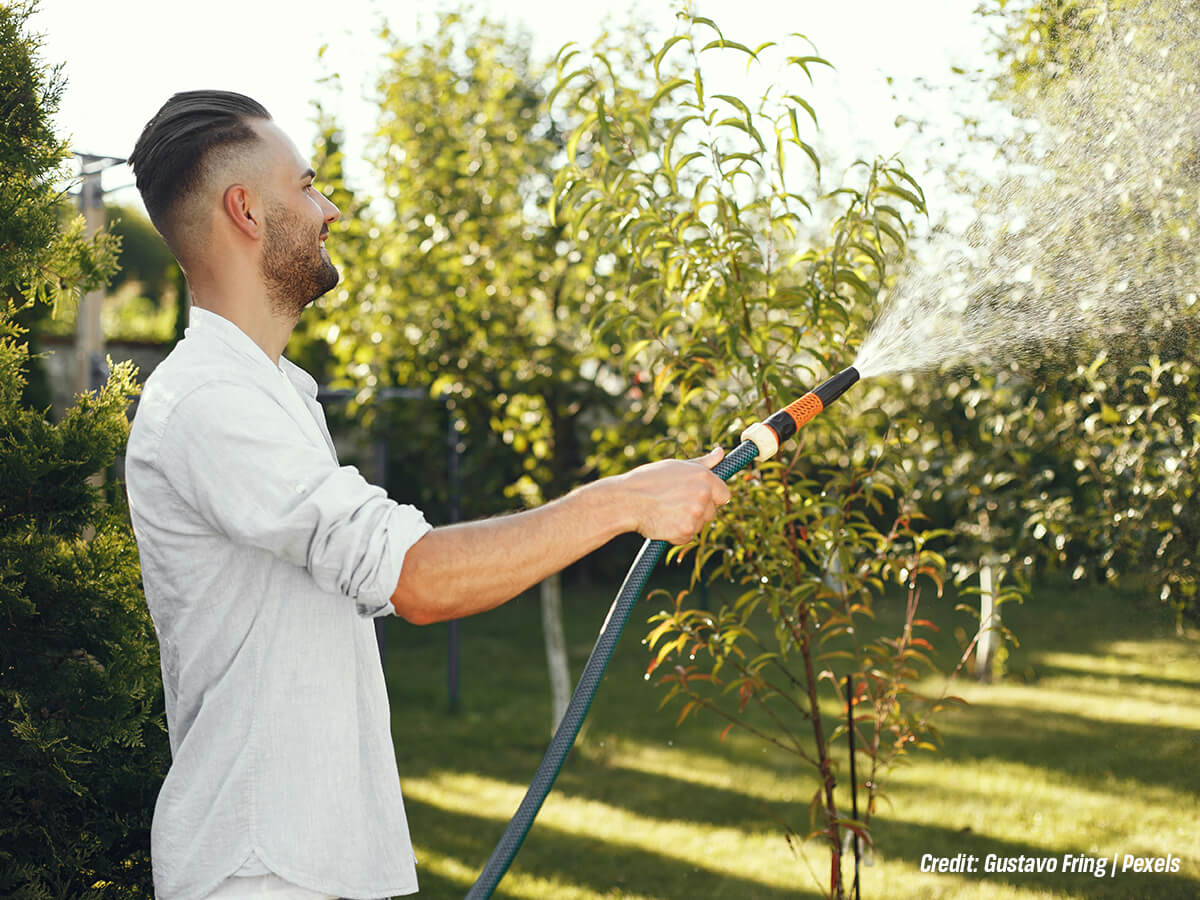
A tree’s needs shift dramatically as the seasons change; therefore, knowing how to keep your trees healthy as the seasons change is crucial. That said, a comprehensive spraying program is tailored to meet these fluctuating vulnerabilities. In the early spring, as buds begin to swell and push forth tender new leaves, trees are highly attractive to early-emerging pests. Springtime sprays are formulated to protect this soft, vulnerable tissue. As the weather changes with the advent of summer, spraying regimens may shift to include anti-desiccants. These specialized sprays form a microscopic, waxy coating over the leaves, reducing the rate of transpiration, which is the process by which a tree loses water vapour. By slowing down moisture loss during extended dry periods, anti-desiccants help trees conserve water. Similarly, applying these protective coatings in late autumn shields evergreen species from harsh winter winds, preventing the winter burn that damages their needles.
5. Protecting New Growth and Vulnerable Saplings
Young trees and freshly planted saplings are incredibly delicate. At that age, they lack the thick, protective bark and the deep-reaching root systems of mature specimens. Consequently, any damage inflicted by pests or diseases during their formative years can permanently alter their structural development or prove entirely fatal. Nurturing your trees at this critical junction ensures a strong start when you plant them in your garden. Regular spraying is perhaps most critical during these early stages of a tree’s life. By maintaining a strict spraying schedule, caretakers provide an external immune system for the sapling while it establishes its own internal defences. Ensuring that the terminal buds remain intact allows the tree to develop a straight, strong central leader and well-spaced branches. This early intervention guarantees that the tree grows to its full potential height and form, laying the groundwork for healthy development.
6. Mitigating Environmental Stressors
Modern landscapes are fraught with environmental stressors that continuously chip away at a tree’s vitality. Pollution from vehicle exhaust, the drift of de-icing salts from nearby roadways, and the general heat island effect of paved surroundings all contribute to a hostile growing environment. While spraying cannot eliminate these urban realities, it significantly mitigates their impact. Healthy, well-maintained trees possess thicker leaf cuticles and more robust cellular walls, making them naturally more resistant to the phytotoxic effects of airborne pollutants. By utilizing regular spraying to ensure the tree is not simultaneously battling a heavy pest load or a fungal infection, caretakers allow the tree to focus its energetic resources entirely on adapting to its stressful environment. A tree free from compounded stress has a vastly improved capacity to heal physical wounds and tolerate fluctuating extremes.
7. Preserving the Structural Integrity of the Canopy
The long-term health of a tree is intrinsically linked to its structural integrity. When certain pests attack a tree, they specifically target the structural wood and the growing shoots. Over time, repeated infestations cause branches to weaken, become brittle, and die back entirely. This dieback not only disfigures the tree but also creates hazardous deadwood that can easily snap and fall during severe storms, posing a significant risk to nearby structures. Furthermore, wounds created by boring insects serve as entry points for wood-decaying fungi, which rot the heartwood from the inside out. Regular spraying eliminates these structural threats before they can compromise the wood. By protecting the integrity of the branches and the trunk, spraying ensures that the tree remains a structurally sound fixture, capable of withstanding heavy winds without catastrophic failure.
8. Encouraging Vibrant Foliage Colour and Overall Vigour
One of the most visible indicators of a healthy tree is the abundance and vibrancy of its foliage. The canopy isn’t just a provider of shade, it’s also critical for ensuring the tree gets enough sunlight to photosynthesize. A tree that is struggling against microscopic pathogens or a silent insect infestation will inevitably display signs of distress, such as premature leaf drop, mottled coloration, or a sparse, thinning canopy, all of which can compromise the tree’s health and utility to you. Regular spraying contributes as much to the tree’s health as to retaining its aesthetic appearance. When a tree is protected by a consistent schedule of targeted treatments, its leaves are allowed to mature fully, unblemished by chewing damage or webbing. These perfectly formed leaves are highly efficient solar panels, capturing maximum sunlight to fuel biological processes. The result is a spectacularly lush canopy characterized by deep colours in the summer and a brilliant display of hues in the autumn. This vigorous growth is the ultimate hallmark of a thriving tree.
Maintaining the majestic beauty and ecological benefits of trees requires commitment, and commitment beyond the planting process at that. In a world where threats to urban trees are commonplace, a passive approach to arboriculture no longer cuts it. Regular spraying isn’t just reactive measure; it is foundational to the proactive, long-term tree health care. By implementing a consistent, seasonally appropriate spraying regimen, property owners provide their trees with the essential tools required to flourish. It’s this ongoing investment that helps ensure that these living monuments can continue to provide shade, beauty, and environmental enrichment for your home for years to come.
Your trees always need a little extra care to keep them healthy and thriving. Our team at Dave Lund Tree Service is dedicated to protecting your trees and providing professional, proactive care to that end. We provide full tree care service, from tree removal to cabling to pest control, to help your trees thrive in your yard and continue providing the appeal and comfort you’ve come to expect. Call us today at (905) 884-0511 and enjoy the assistance of a reliable tree service contractor.