

Quick Answer: Yes. Overgrown, dense borders act as massive physical barriers that block sun exposure and trap soil moisture. Strategic hedge trimming opens up the canopy to let sunlight dry out waterlogged turf, while thinning out dense lower branches improves surface airflow, accelerating evaporation and preventing soil oversaturation. It is a critical step for maintaining a dry, balanced, and healthy property.
Thick, towering living walls often hide a damaging ecological imbalance right in your garden beds. Overgrown borders do not just look untidy; they act as massive botanical umbrellas that intercept vital rainfall, block essential sunlight, and trap stagnating moisture at the soil level.
This microclimate deprivation rapidly turns pristine turf into a muddy, moss-covered swamp while starving smaller understory plants of the light they need to survive. Regular hedge trimming is the key to restoring natural equilibrium, ensuring that sunlight and water reach the ground to maintain a healthy, dry, and structurally sound outdoor environment.
How Do Overgrown Hedges Block Essential Sunlight?
When left to grow wild, popular local species like Eastern White Cedar or dense Privet quickly form a solid, impenetrable wall of green. While this is fantastic for privacy, it creates a massive shadow zone that can extend several metres into your property:
- Turf Starvation: Grass requires direct sunlight to complete photosynthesis and maintain a strong root system. A towering, untrimmed border casts a permanent shadow that slowly thins out your lawn, leaving weak, patchy turf that cannot compete with opportunistic weeds.
- Understory Death: Smaller ornamental perennials and shrubs planted at the base of your boundary will quickly suffocate in the dark. Without adequate sun, these understory plants become leggy, lose their vibrant colours, and eventually die from lack of light.
- Building Dampness and Mould: When a massive privacy screen is allowed to crowd against siding, brickwork, or basement windows, it blocks the sun from drying out morning dew. This constant shade encourages the growth of green algae, mildew, and wood-destroying rot on your home’s exterior walls, which can seep into your indoor living spaces over time.
Can Overgrown Foliage Negatively Affect Ground Drainage?
Poor drainage is one of the most destructive forces a property owner can face, and your perimeter vegetation plays a major role in how water moves across your land.
- The Umbrella Effect: A thick, unmanaged canopy acts like a giant shield during light rainstorms. It catches the rainfall before it ever hits the soil, causing water to run off the outer tips in heavy, concentrated streams rather than distributing evenly. This localized pounding erodes topsoil and creates deep, muddy gullies.
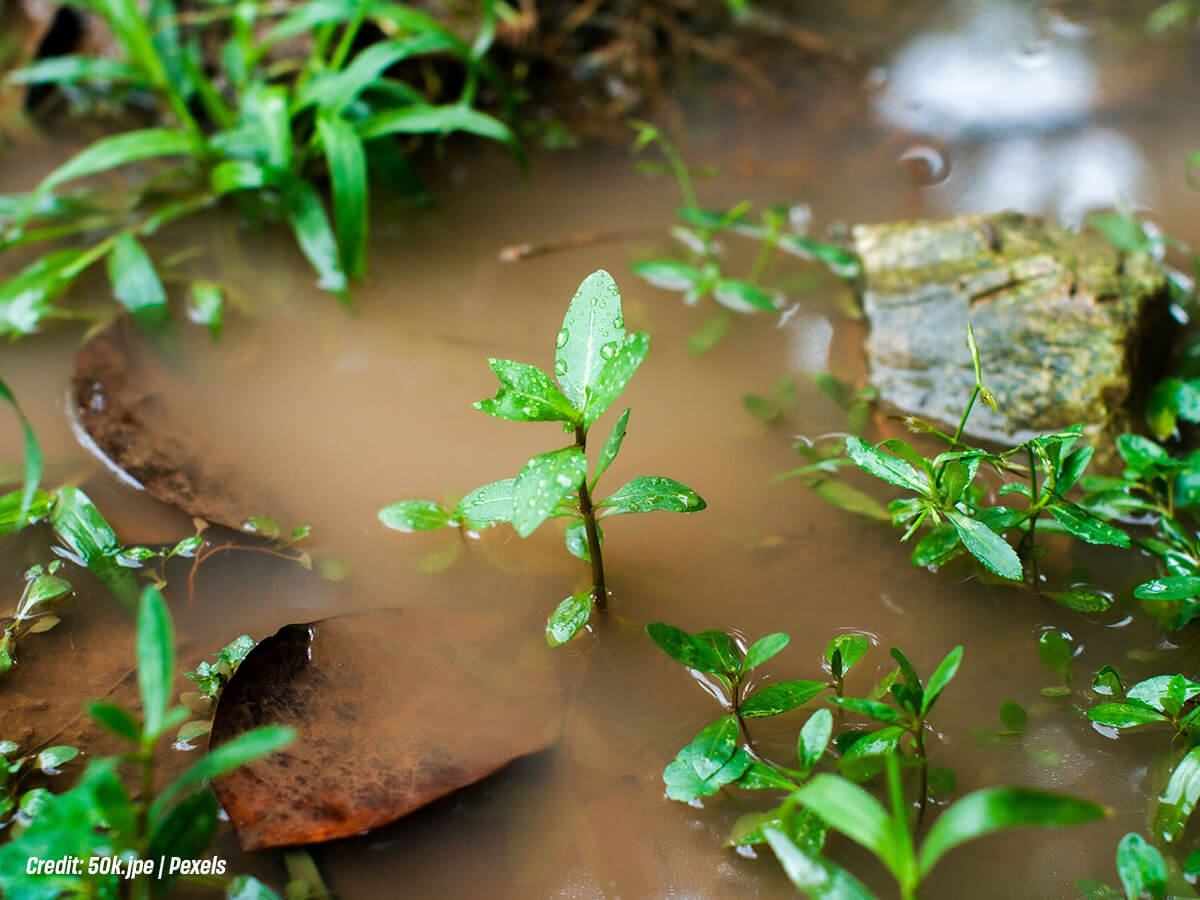
- Stagnant Soil Pools: On the flip side, the dense shadow cast by overgrown branches prevents the sun from evaporating excess ground moisture after a heavy downpour. The soil underneath remains constantly wet, cold, and oversaturated, which eventually rots plant roots.
- Saturated Boundary Lines: When soil stays soggy for weeks, it loses its structural stability. Heavy evergreens anchoring themselves in saturated mud are highly vulnerable to windthrow, meaning they can easily tip over during a severe thunderstorm.
What Is the Scientific Method for Balancing Growth and Ecology?
Managing a healthy boundary line is not about hacking the plant down to bare wood every autumn. To keep the landscape dry and bright while maintaining a beautiful, dense barrier, property owners must apply a scientifically backed approach to pruning.
According to modern conservation and horticultural research, trimming hedges slightly higher and wider annually prevents gaps and supports local wildlife, while laying or coppicing every forty-plus years yields optimal longevity (White et al., 2022).
This calculated, incremental approach provides major structural benefits for your home’s ecosystem:
- Dappled Light Penetration: Allowing the boundary to expand slightly while keeping the outer shell manicured ensures that some sunlight still filters through the foliage to the soil below, preventing total darkness.
- Wildlife Protection: A carefully managed, gradual growth pattern preserves the tight internal branch structure that native birds rely on for nesting and protection from predators.
- Structural Renewal: Implementing long-term renewal practices like coppicing (cutting shrubs down near ground level to stimulate new stems) ensures your green walls regenerate fully without leaving permanent skeletal gaps.
How Does Professional Maintenance Improve Airflow and Prevent Rot?
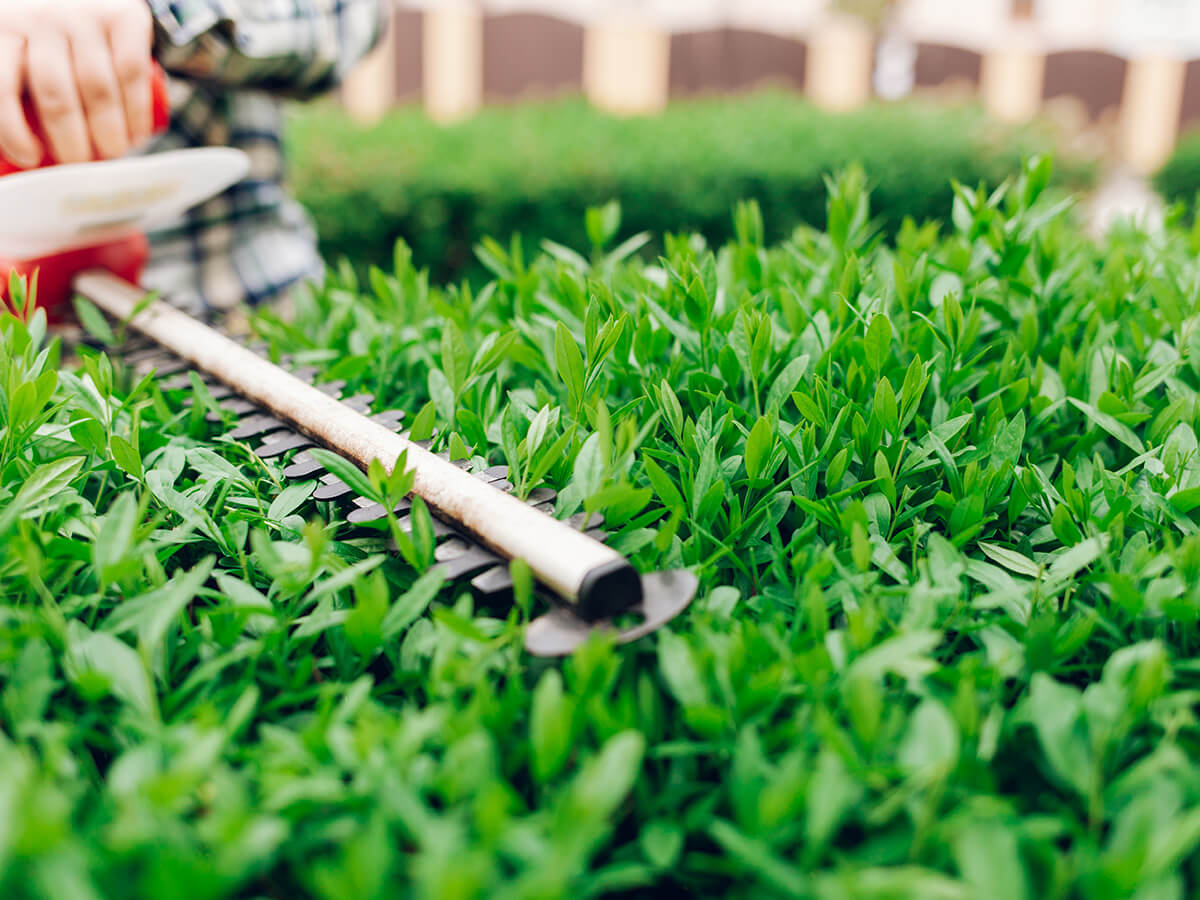
Simply cutting the top of your hedge flat does nothing to solve the issues of poor drainage and stagnant moisture at the base. True property optimization requires improving air circulation throughout the entire planting bed.
If air cannot freely pass through the lower branches, moisture remains trapped, creating a perfect breeding ground for fungal spores and root-destroying mould. Relying on trusted tree services provides your landscape with the professional intervention needed to open up these critical airways.
Arborists understand how to execute strategic thinning cuts on mature conifers and deciduous borders common to the Aurora area. By carefully removing select interior branches, they allow gentle breezes to sweep across the soil level. This constant air movement acts as a natural dehumidifier, rapidly drying out wet topsoil, preventing pooling, and stopping fungal diseases like needle blight in their tracks before they can spread to your healthy trees.
Why Do Soil Conditions and Root Health Dictate Water Management?
Healthy soil functions like a sponge, absorbing excess runoff and distributing it slowly to the surrounding water table. Overgrown hedges compromise this underground network in several quiet but highly destructive ways:
- Surface Soil Caking: In deeply shaded zones, the lack of sun causes the top layer of soil to dry into a hard, impermeable crust. When heavy rains arrive, water cannot penetrate this baked surface and immediately sheets off into low-lying areas, flooding walkways and garden beds.
- Root System Suffocation: Waterlogged soils completely lack oxygen. Without oxygen, roots cannot undergo cellular respiration, leading to dieback. This root decline reduces the plant’s ability to draw water out of the ground, compounding the drainage issue.
- The Saturated Clay Trap: Many properties across Ontario feature clay-heavy soils that naturally retain moisture. When a dense hedge blocks air and sun, these clay beds remain saturated for months, creating structural instability around foundations and retaining walls.
What Long-Term Structural Benefits Come From Early Remediation?
Investing in professional arboricultural maintenance yields compounding benefits that accumulate season after season, turning a potential liability into a major asset:
- Foundation Protection: By improving drainage and allowing the sun to dry out soil near your home’s perimeter, you reduce hydrostatic pressure against basement walls, preventing costly foundation cracks and leaks.
- Enhanced Plant Diversity: Opening up the light canopy allows you to successfully plant shade-tolerant ground covers and flowering shrubs, creating a vibrant, multi-layered landscape.
- Increased Property Value: A bright, dry, and immaculately manicured lawn paired with structurally sound, healthy privacy screens will significantly boost curb appeal and overall market valuation.
Restore Sunlight and Flow to Your Property
Stop letting overgrown foliage suffocate your lawn and trap damaging moisture around your home’s foundation. Reclaiming your property’s natural sunlight and establishing proper soil drainage requires the right combination of horticultural expertise, precision timing, and commercial-grade equipment.
For a comprehensive structural assessment and expert hedge trimming in Aurora, call Dave Lund Tree Service at (905) 884-0511. Restore the balance of your outdoor living space and protect your landscape investment today.