
Regular maintenance for your trees can be an involved process. You have to know how to identify pests and structural risks and disease to keep the trees healthy. In that respect, trees are much like pets: they too get sick, and when they do they need your intervention to get better. The problem is that signs of tree disease aren’t always obvious to most people. Disease very often begins with subtle changes in the leaves, bark, or branches, and these signs can be easy to overlook if you don’t know what to look for. Catching these changes early gives you the best chance of saving a tree and preventing a weakened limb from becoming a hazard.
Here’s a short list of questions to help you identify the warning signs of tree disease and take action sooner.
1. Are the Leaves Discoloured or Spotted Out of Season?
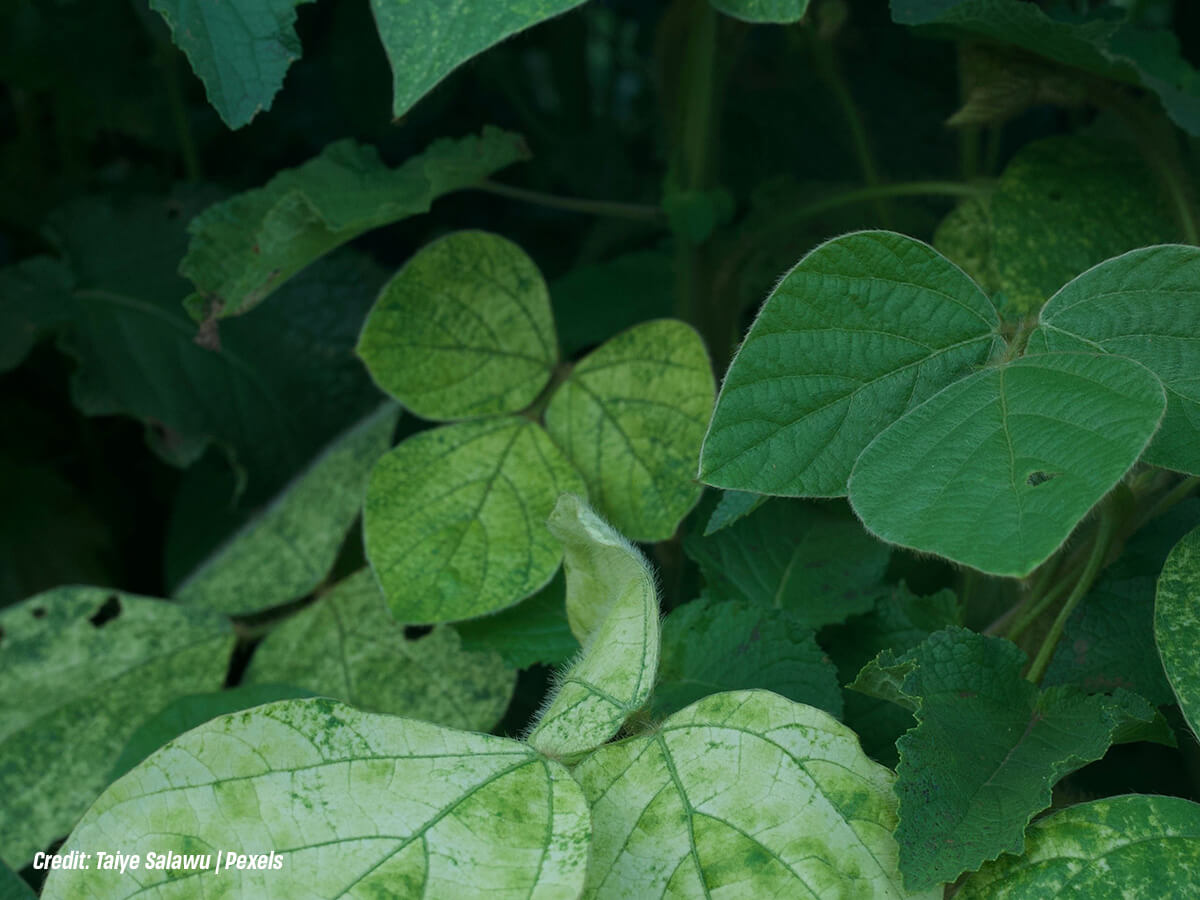
Healthy leaves typically hold their colour until autumn. However, when foliage turns yellow or brown, or develops dark spots too early in spring or summer, a fungal or bacterial infection may be the cause. For example, black spots can indicate tar spots (a fungal infection that can specifically cause leaf drops). Look for rings, blotches, or a powdery coating, each pattern points to a different problem; a professional arborist service can help you narrow down the culprit and address it accurately.
2. Is the Bark Cracking, Peeling, or Oozing?
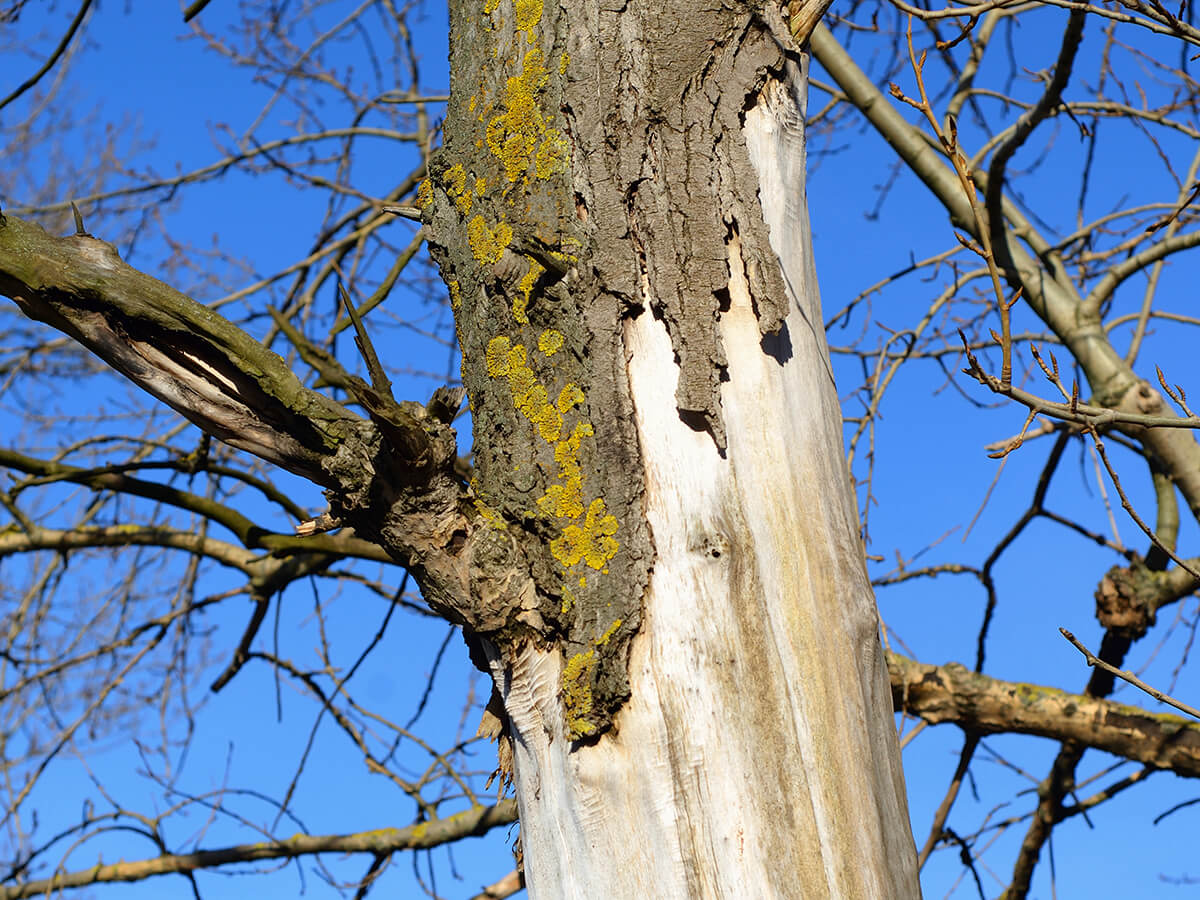
Bark serves a tree in the same way skin does for people; it’s the first line of defence against infection and disease. When the bark cracks or peels, then that defence is compromised and the tree is vulnerable. Deep cracks, peeling patches, or dark fluid seeping from the trunk can signal disease beneath the surface. Sunken, discoloured areas (these are called cankers) are especially concerning because they can girdle a branch and cut off its supply of water and nutrients.
3. Are Mushrooms or Fungi Growing on the Trunk or Roots?
Mushrooms, conks, or shelf-like brackets are visible signs of infection, and can indicate internal decay deep within a tree. These growths are the visible fruiting bodies of fungi feeding on dead or dying wood inside the tree. When they appear near the base or root flare, the root system may be compromised, which may impact the tree’s stability.
4. Are Branches Dying From the Tips Inward?
Dieback starts at the outer tips of branches and moves toward the trunk. Widespread dieback suggests the tree is struggling to move water and nutrients. Scratch a little bark on a suspect branch. If the layer underneath is brown and dry rather than green and moist, that section has likely died.
5. Is the Canopy Thinning Year After Year?
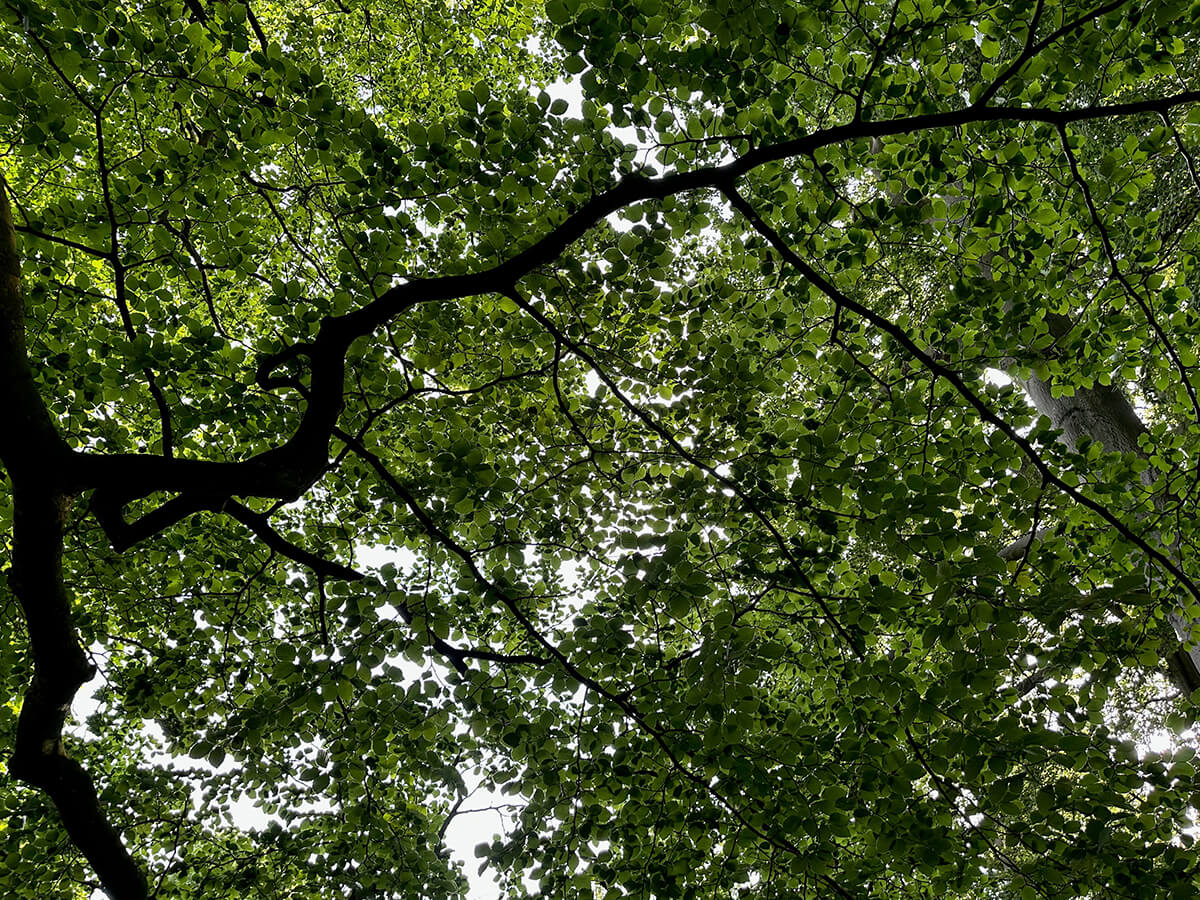
A tree’s canopy is a clear indicator of its health. If a tree produces fewer, smaller leaves each season, then it may be in decline. Compare the canopy to previous years or to healthy trees of the same species nearby. Gradual thinning often points to root problems, vascular disease, or long-term stress that leaves the tree open to further infection.
6. Is the Wood Soft, Crumbly, or Hollow?
Decay weakens a tree from the inside, even when the outside looks intact. A hollow sound when you tap the trunk, or wood that crumbles when pressed, is a sign of rot. Cavities in the trunk or large branches may result from that internal decay, which then raises the risk of breakage in case of strong wind or heavy snow.
7. Are Pests Showing Up More Often?
It always pays to be vigilant when it comes to pests. Pests can enter in a wide range of ways (including firewood and fishing gear), and so it always pays to keep an eye out and act immediately on detecting any giveaway signs. Borers and bark beetles tend to target trees that are already weakened. Small exit holes in the bark, often just a few millimetres wide, sawdust near the base, or winding tunnels under loose bark can reveal an infestation. Some insects also carry disease from tree to tree, so pest and disease problems often go hand in hand.
Spotting one of these signs does not always mean a tree is beyond saving, but it does warrant a closer look. A certified arborist’s help is integral to maintaining a tree’s health, and in this case they can identify the specific disease, assess the tree’s structural safety, and recommend treatment, pruning, or removal. Acting early is always the best way to keep your trees healthy and your property safe.
Noticed any of these warning signs on your property? Then let Dave Lund Tree Service help you out. Trust our team to inspect your trees, pinpoint the problem, and recommend the right care, and help prevent the spread of disease that might impact your trees. Give us a call now at (905) 884-0511 and get your trees assessed.
Frequently Asked Questions
1. Can a Diseased Tree Recover on Its Own?
Some trees can fight off minor infections by themselves, especially when they are otherwise healthy. However, many diseases do spread and worsen without treatment. An arborist’s assessment helps determine whether a tree can recover or needs intervention.
2. Can Tree Disease Spread to Other Trees?
Yes, those diseases can spread in the same way as diseases do in animals. Many fungal and bacterial infections can spread through wind, rain, insects, contaminated tools, or connected root systems. Trees of the same species planted close together are most at risk, so early action goes a long way to protecting your yard if you have more than one tree of the same species.
3. What Time of Year Do Signs of Disease Appear?
Many symptoms become noticeable in spring and summer, when trees are in full leaf. Fungal growths and cankers can appear at any time, so regular inspections year-round are worthwhile.
4. Is a Sick Tree Dangerous to My Home?
It can be. Disease and decay weaken wood, making branches or the entire trunk more likely to break during storms or heavy snow. Trees near homes, driveways, or power lines deserve prompt attention.
5. How Can I Help Prevent Tree Disease?
Proper watering, mulching, and regular pruning keep trees strong and better able to resist infection. Avoid damaging bark with lawn equipment, and clean pruning tools between cuts to avoid spreading disease.