
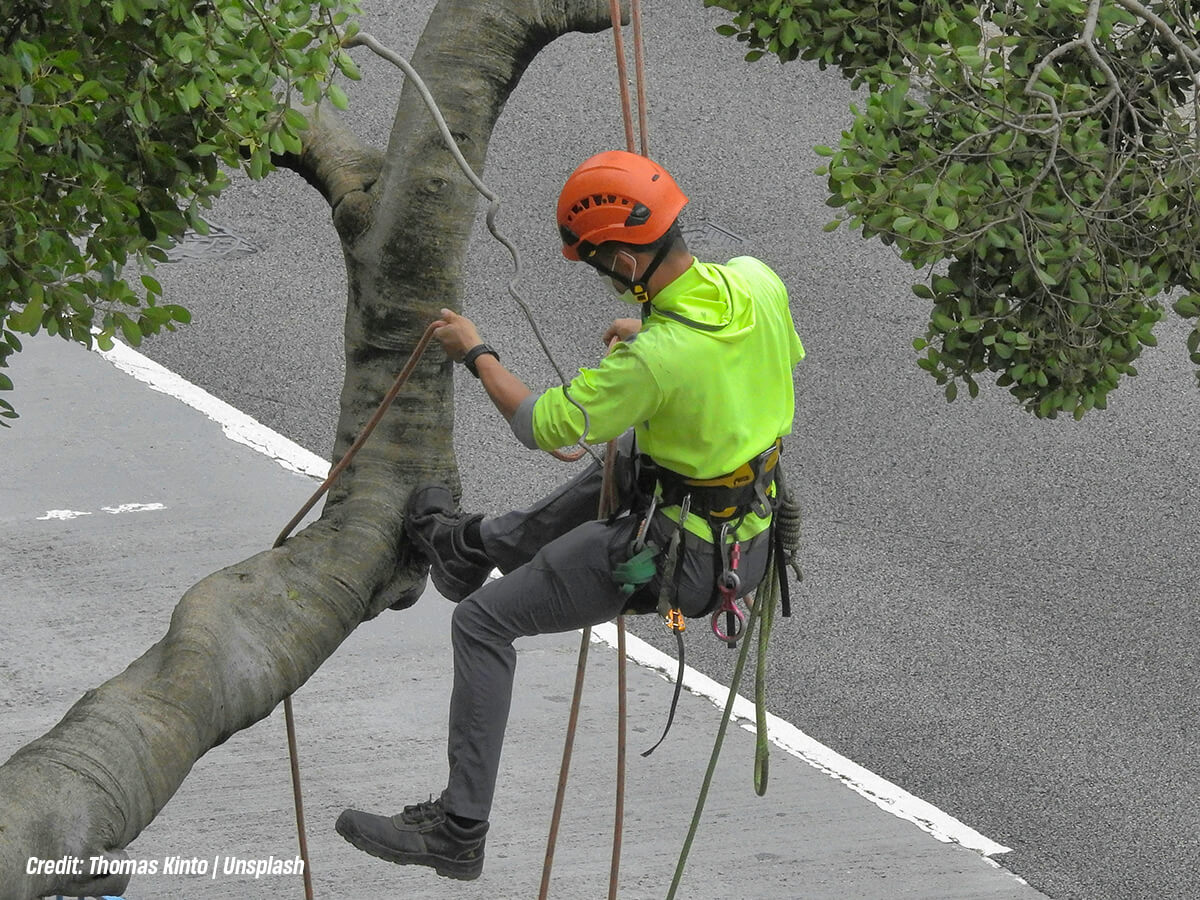
To many, autumn can feel like the most natural time to tidy up the yard. This is the season of falling leaves after all, and many homeowners fold in other outdoor chores into the work, like pruning. However, autumn isn’t the ideal time for pruning work in particular. Trees spend their autumn preparing for winter, and cutting into them at this stage can risk their health at this crucial time when they’re getting ready for the colder months. Knowing when to prune goes a long way to looking after your trees’ health as the seasons change.
Here’s a short list of reasons why pruning is a job better left to more favourable times of year.
1. Can Pruning in Autumn Trigger New Growth Before Winter?
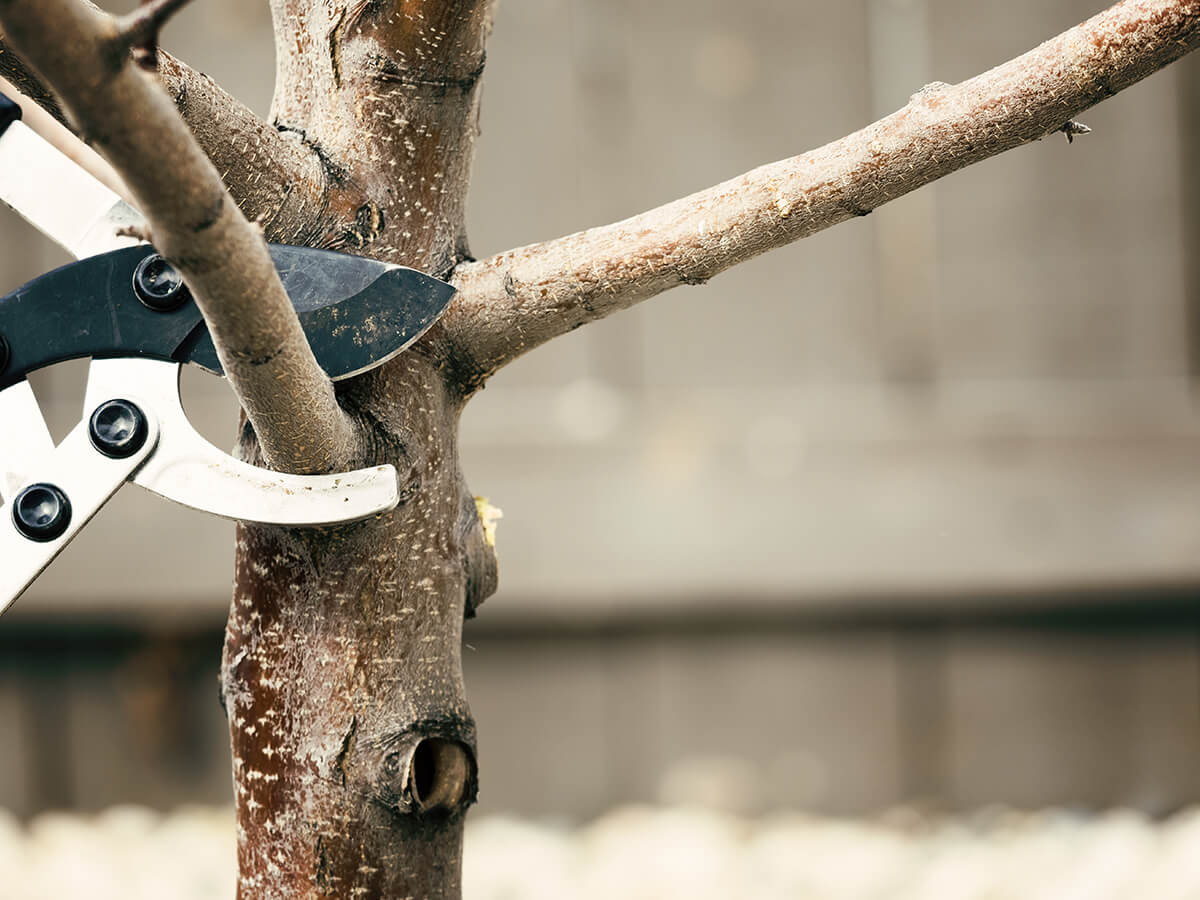
Pruning isn’t just for trimming unstable or unhealthy limbs. Pruning is also done to promote growth, as cutting away those limbs prompts a tree to push out new shoots near the cut. However, when this happens late in autumn, the tender growth has little time to harden off before cold weather arrives. These soft shoots are therefore highly vulnerable to frost and freezing temperatures, which can kill them back. This development leaves the affected tree ends up spending valuable resources on growth that will not survive the winter.
2. Are Fungal Diseases More Likely to Enter Fresh Cuts?
Disease is always an issue for trees, especially when large-scale infestations (like the one that occurred in southern Ontario last month) is involved. It pays to be careful with pruning, as poorly-timed pruning can become a vector for tree diseases, fungal ones in particular. Many wood-decay fungi release their spores in abundance during autumn, and every pruning cut creates an open wound those spores can take advantage of during this season. Once decay fungi establish themselves inside the wood, they can gradually weaken branches and even the trunk (and they can often do so without affecting the tree’s outward appearance at that). Cool, damp autumn weather also favours fungal activity, which adds to the risk.
3. Will Pruning Wounds Close Slowly as the Tree Goes Dormant?
In response to a cut, trees seal off damaged areas and grow new wood around the injury, but this process depends on active growth. As the tree slows down and enters dormancy, that response slows along with it. A cut made in autumn may stay exposed for months through winter and its freezing temperatures, moisture, and winter pests. Pruning in late winter or early spring, just before growth resumes, is a more convenient window that gives wounds a chance to begin closing much sooner.
4. Does Late-Season Trimming Drain the Tree’s Energy Reserves?
Throughout late summer and autumn, trees move sugars and nutrients from their leaves into their branches, trunk, and roots for storage. These reserves are what carry a tree through winter and fuel its first flush of growth in spring. Removing leafy branches before this process is complete cuts off part of that supply, meaning the tree enters winter with lower reserves (which can leave the tree weaker and more prone to stress through the cold months).
5. Could You Be Cutting Off Next Spring’s Flowers?
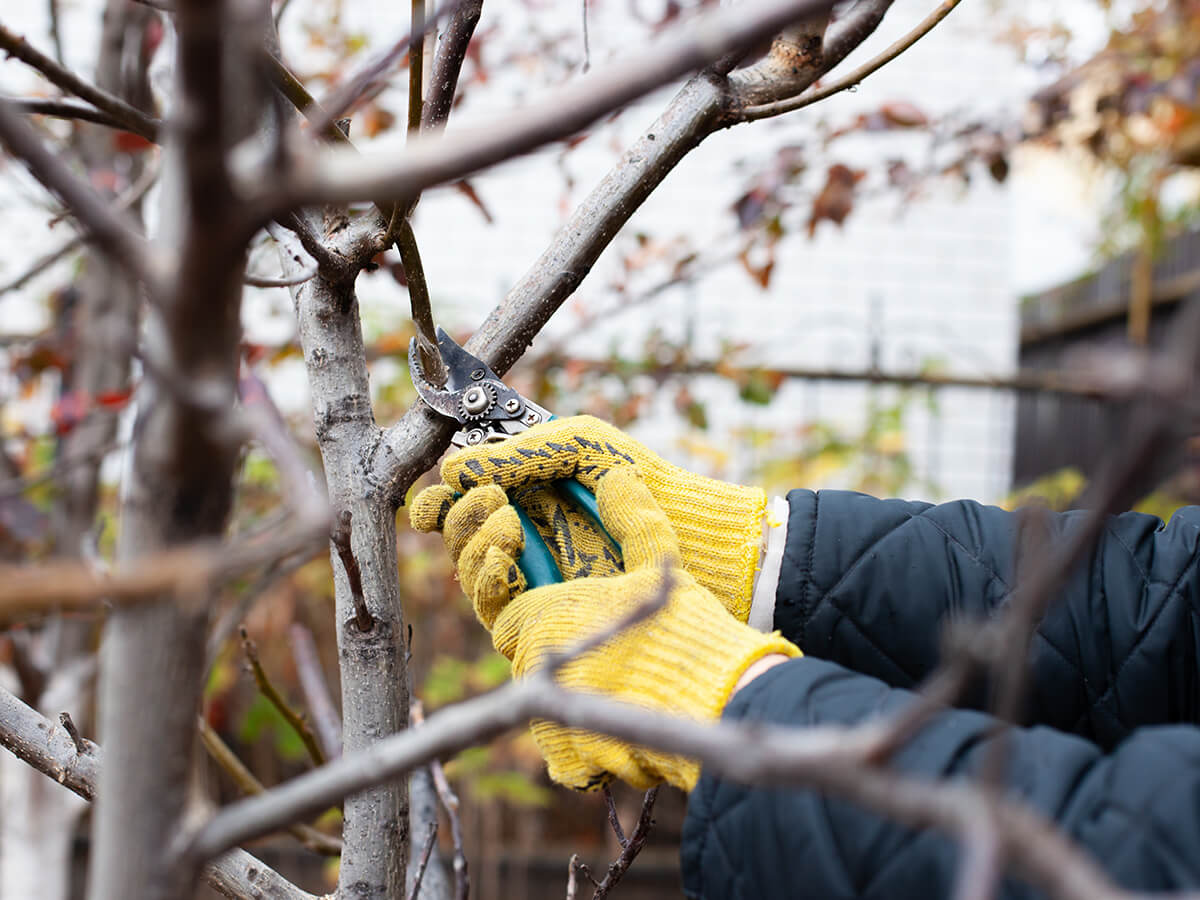
Knowing the ins and outs of pruning also involves knowing how pruning affects the growth of a tree. For example, many spring-flowering trees, such as magnolias, flowering cherries, and crabapples, form their flower buds during the previous growing season. By autumn, those buds are already set on the branches. Pruning now removes them, leaving you with fewer blooms or none at all come spring. If you’d rather have more colour on your trees, then take care to prune them shortly after they finish blooming instead.
When Is Autumn Pruning Acceptable?
Pruning at a bad time isn’t always a gardening mistake to avoid at any cost; there are exceptions to the rule. Dead, diseased, broken, or hazardous branches are always a concern, and ought to be removed without worrying about the time of year. Leaving those branches in place poses a greater risk to the tree and its surroundings than their removal. Limbs hanging over roofs or driveways may also need attention before snow and ice add extra weight. For anything near power lines, contact your local utility or a qualified professional rather than attempting the work yourself.
Does your tree need some pruning for its health? We at Dave Lund Tree Service are ready to help. Let our team assess your trees and recommend the right timing and care for a healthy, beautiful landscape all year-round. Call us now at (905) 884-0511 to book our tree care service.
Frequently Asked Questions
1. When Is the Best Time to Prune Trees?
Late winter or early spring are generally the best times; the trees are still dormant but it’s just before new growth begins. Wounds start closing quickly once growth resumes, and bare branches make structural problems easier to spot.
2. Can I Remove Dead Branches in Autumn?
Yes, because dead, broken, or diseased branches are detrimental to a tree’s health and safety, and as such they can be removed at any time of year. Leaving them in place increases the risk of decay spreading or limb failure.
3. Should I Seal Pruning Cuts With Wound Dressing?
In most cases, no. Wound dressings do not prevent decay and can trap moisture against the cut. A clean cut made just outside the branch collar allows the tree to seal the wound naturally.
4. When Should I Prune Spring-Flowering Trees?
Prune them shortly after they finish blooming. These trees set next year’s flower buds during the growing season, so pruning in autumn or winter removes buds that would have opened in spring.
5. Is It Safe to Prune Trees Near Power Lines Myself?
No, that work is always best left to the professionals. Branches can conduct electricity, making this work dangerous without proper training and equipment. Always contact your local utility or a qualified professional and leave the work to them.