
As a homeowner, you’ve got your fair share of responsibilities at home: cleaning after yourself, taking care of any kids and pets, making sure the external spaces stay presentable, there’s a whole laundry list of chores to remember. Your trees are no less important than anything else around the house. Knowing how to give your trees year-round care goes a long way to keeping them healthy no matter the season.
However, finding signs of their distress, like dehydration can be easy to overlook if you don’t know what to look for. Drought stress usually starts with small changes in the leaves, bark, and soil, and these can be hard to spot until the damage becomes harder to reverse. Catching the warning signs early gives you time to adjust your watering methods to something more favourable for the tree.
Here are seven signs to look for to give you that much-needed early warning.
1. Are the Leaves Wilting or Drooping?
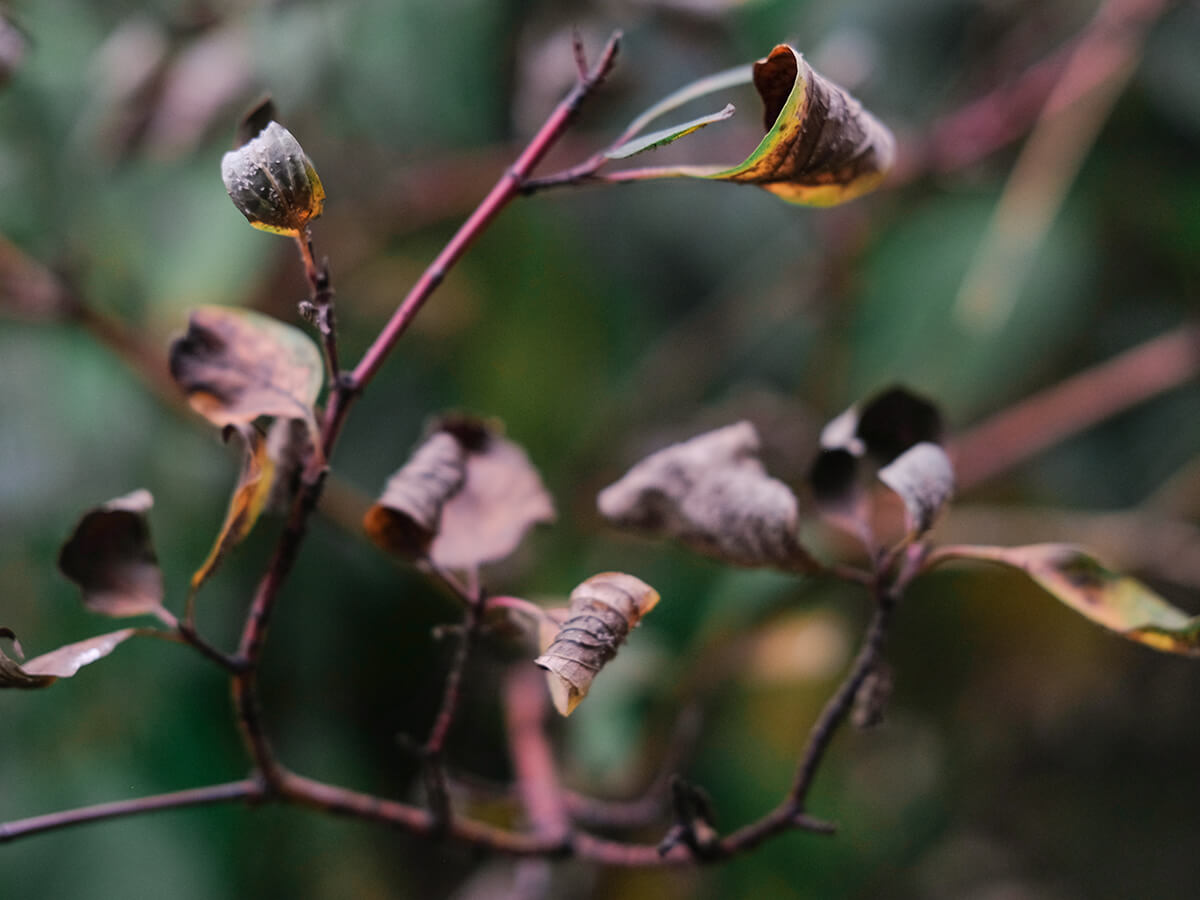
Wilting is one of the most visible signs of an issue with a tree. When leaves lose their firmness and hang limply from the branches, it points to an underlying lack of water, especially if it happens repeatedly over a few days. In some extreme cases, tree physiologists warn that prolonged heat stress can lead to entire branches dropping if a tree doesn’t get sufficient water. If the tree doesn’t recover by evening or the next morning, the tree is likely struggling to pull enough moisture from the soil.
2. Are the Leaf Edges Turning Brown or Crispy?
Take a close look at your leaves to look for signs of leaf scorch. Leaf scorch appears as browning along the edges and tips of leaves; however, the centre may stay green for a while. This condition happens when the tree cannot move water to the outer parts of the leaf fast enough to replace what’s being lost through evaporation. Over time, the browning can spread inward and cover most of the leaf.
3. Is the Tree Dropping Leaves Early?
One sign of a dehydrated tree is that it starts shedding its leaves as a response to water loss. This is a common hazard in summer, as was the case this year in Nova Scotia; drought and lack of water led to early shedding in many trees across the province. Shedding the leaves allows the tree to conserve water to the trunk and limbs, and is a survival response rather than a normal seasonal change. This development is particularly concerning if it happens in summer (when finding water for trees becomes all the more important). Yellow leaves falling well before autumn are a sign the tree is conserving its limited moisture.
4. Are the Needles on Your Evergreen Changing Colour?
Conifers show drought stress differently from broadleaf trees. For instance, needles may turn yellow, reddish-brown, or dull grey-green; these changes tend to start at the tips, giving you a clear location to check first. However, take note that the browning can also begin on the inner needles closest to the trunk. Check thoroughly to ensure you don’t miss any signs. Because evergreens hold their needles year-round, this discolouration may appear months after the dry period that caused it.
5. Is the Soil Around the Tree Dry and Hard?
A tree’s leaves aren’t the only indicators of a water shortage; the surrounding soil also offers a way to confirm the presence of a problem. Push a screwdriver or trowel into the ground within the drip line (this is the area beneath the outer edge of the canopy). If the top layer of soil feels dry and compacted, the roots are likely not getting enough water.
6. Is the Bark Cracking or Peeling?
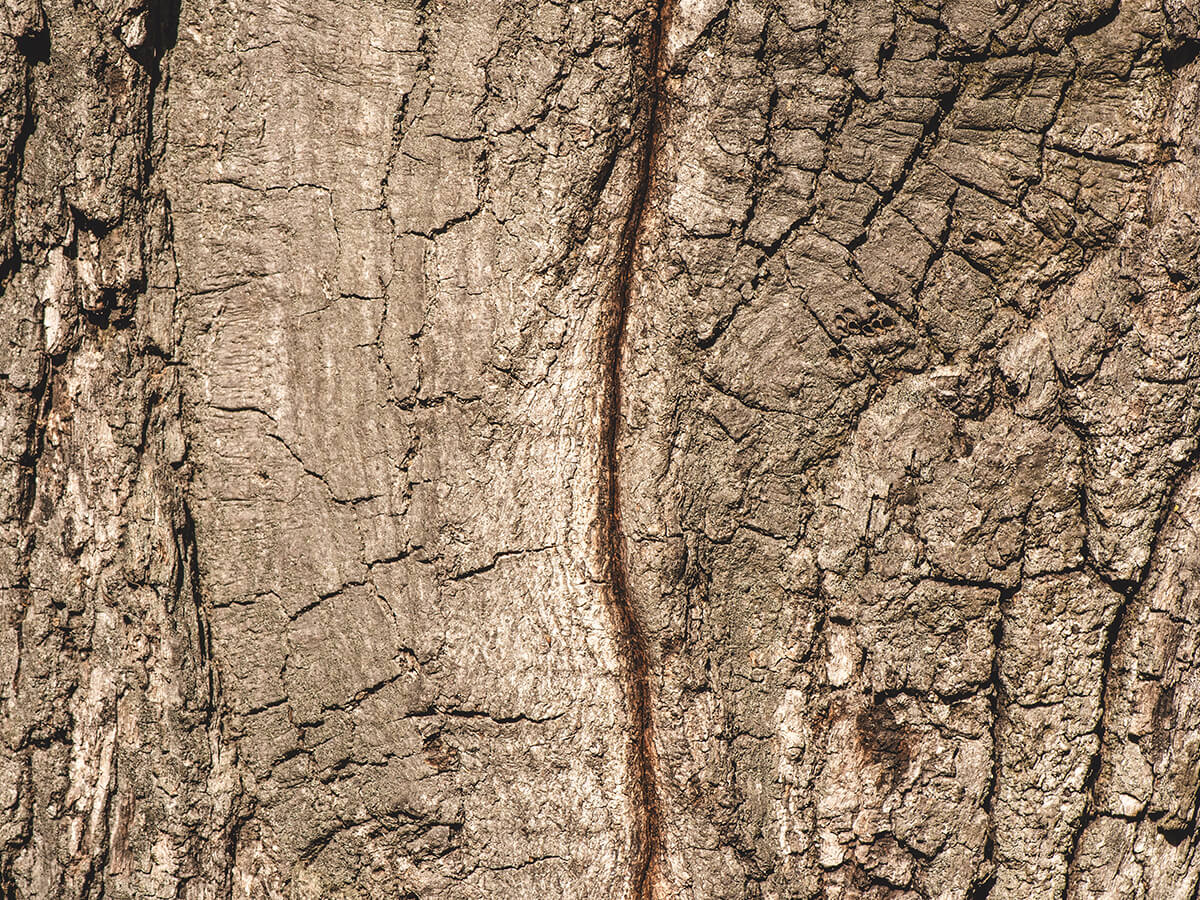
Prolonged dehydration can cause bark to split, crack, or pull away from the trunk. These openings can leave the tree at risk of exposure to insects and disease. Young and thin-barked trees are especially vulnerable to this type of damage, so take particular care with them.
7. Are Branch Tips Dying Back?
A tree’s branches are one area that can indicate an ongoing health issue. Dieback is one particular condition to watch for. It typically begins at the ends of branches and works its way inward. The smallest twigs become brittle, lose their leaves, and snap easily when bent. This happens because the tree cannot supply water to its outermost growth. Should dieback spread to larger limbs, it’s a clear indicator that this tree is under stress.
Dehydration is a serious issue for a tree, but you can take steps to address the problem once detected. Keeping your trees properly hydrated starts with deep, slow watering that soaks the root zone rather than frequent light sprinkling. Next, a 5 to 10 cm layer of mulch spread around the base, kept a few centimetres away from the trunk, goes a long way to helping the soil hold moisture. In case symptoms persist after watering or the tree shows significant dieback, a certified arborist can assess its condition and recommend the right care to revitalize the tree.
Noticing wilting leaves, scorched edges, or dying branch tips on your trees? Dave Lund Tree Service can help. We are a full-service arborist service, and as such you can trust us to assess your trees accurately and recommend the right care to help them recover. Why wait for the damage to spread when you can give the trees the care they deserve. Call us (905) 884-0511 now and let our team take a look at your trees and help you keep them healthy.
Frequently Asked Questions
1. How Often Should I Water a Dehydrated Tree?
Deep watering once or twice a week (and especially during dry periods) is generally better than daily light watering. Slow, thorough soaking helps moisture reach the root zone where the deep roots are. Adjust the schedule based on rainfall to take advantage of that natural watering.
2. Can a Dehydrated Tree Recover?
Many trees can recover if drought stress is caught early and watering is corrected (hence why it’s so important to be vigilant at all times). Trees with extensive dieback or bark damage may take longer to bounce back and may need professional assessment.
3. Is It Possible to Overwater a Tree?
Yes, too much of a good thing also applies to trees. Soil that stays soggy can deprive roots of oxygen, and overwatered trees can show wilting and yellowing similar to dehydration. Always check the soil moisture before adding more water.
4. Do Newly Planted Trees Need More Water?
Newly planted trees have smaller root systems and depend heavily on regular watering while they establish. They are more vulnerable to drying out than mature trees, especially during hot summer weather.
5. Should I Water My Trees Before Winter?
Watering deeply in autumn before the ground freezes helps trees, evergreens in particular, enter winter with adequate moisture. Evergreens continue losing water through their needles during winter, which can lead to browning in spring (hence the importance of ensuring trees enter winter with sufficient water).