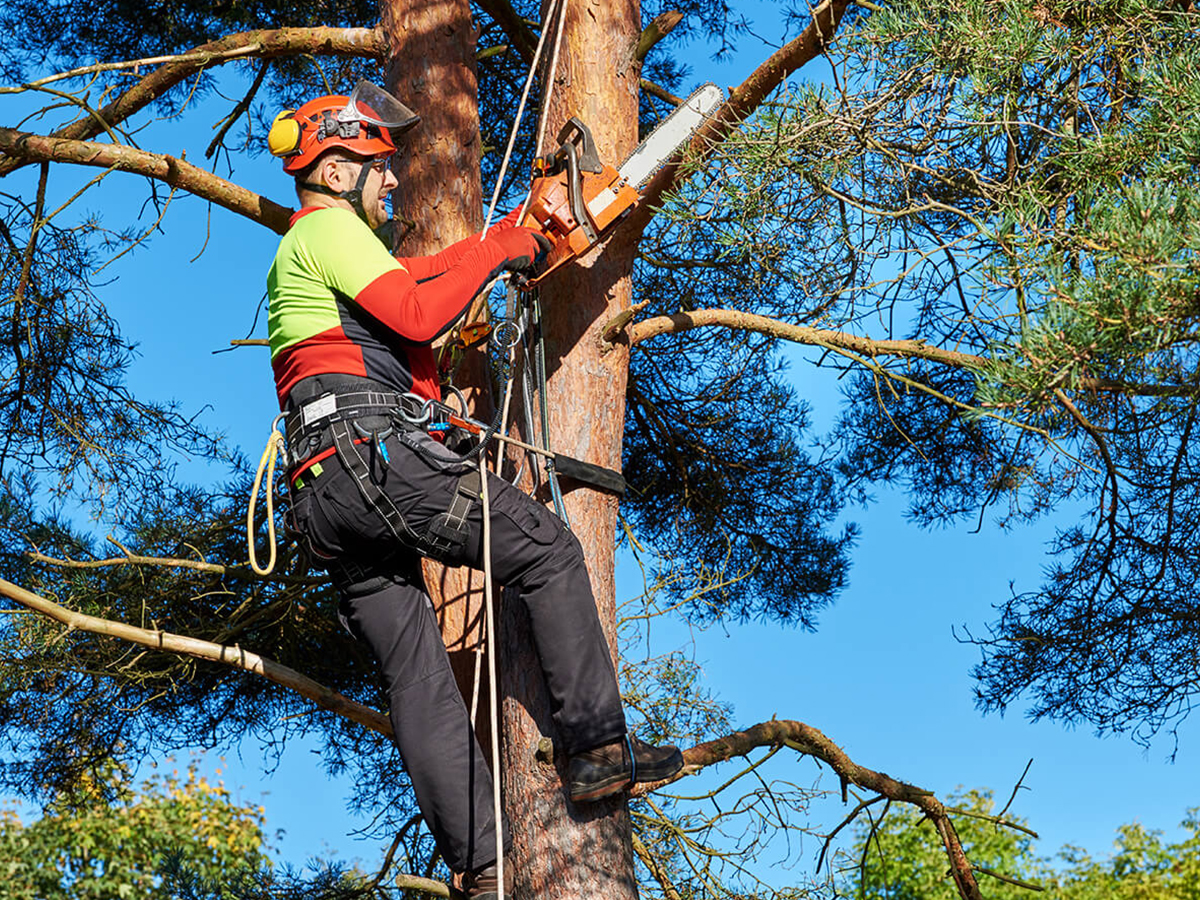
It’s always prudent to vet a service before you trust them with important work around the house. For many homeowners, that simple axiom usually applies to contractors or plumbers or electricians, but it just as easily applies to arborists too. After all, an arborist is someone you need to trust with your trees, be it for pruning them, removing them, or stabilizing them against storms.
Hiring a service to cut into a living tree is a decision with consequences that outlast the appointment; as such, it’s crucial you find an arborist you can trust to do the work properly and safely for the tree’s sake. An arborist not only has the tools and skills to perform tree work safely, they also know which permits to acquire to ensure work can begin and proceed as planned (which can then prevent any legal tussles over the trees’ removal, as happened in Toronto last April). The simple way of protecting yourself and your tree is knowing what questions to ask to ensure your arborist knows their business. Asking those vital questions before any work begins goes a long way toward finding qualified professionals who will give your tree the TLC it deserves.
Here’s a short list of those questions to prepare you as you look for the right arborist for the job.
1. Are You a Certified Arborist?
When it comes to finding professionals to do a task, it’s always important they be certified in their field. Certification in the case of an arborist indicates formal training in tree biology, structure, and safe work practices, and it is the clearest signal that the person handling your trees understands what a cut does to living tissue. Verify which organization issued the credential and request the certification number so you can verify it yourself. Any reliable service offering tree pruning in Bradford should be able to answer without hesitation, as a rule of thumb.
2. Can You Show Proof of Insurance and Workplace Coverage?
If there is one major reason tree work is best left to professionals, it’s the height. Tree work happens at a height, close to power lines, and directly above roofs, fences, and vehicles. If a worker is injured on your property or a limb lands somewhere it should not, the contractor’s liability insurance and workplace safety coverage determine who absorbs the cost. Ask for current certificates (and take care not to settle for verbal assurances), and confirm the policy is active on your scheduled date. An established tree service company will send that documentation on request; this is not an unusual demand, and there should be no trouble or delay from any reliable company.
3. What Pruning Method Will You Use, and Why?
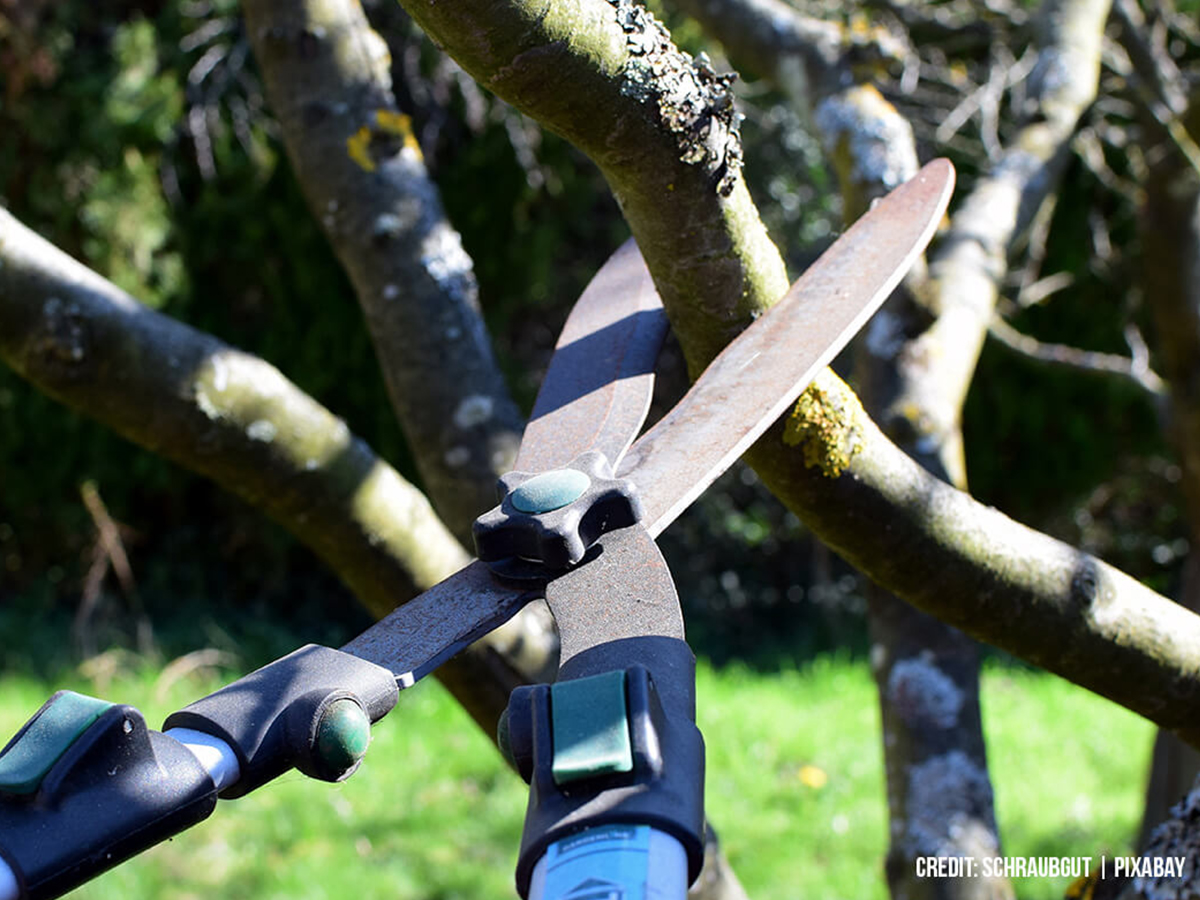
One thing to note about tree-related issues is that different objectives call for different approaches. For example, crown cleaning removes dead and diseased wood, crown thinning opens the canopy to light and air movement, and crown raising lifts lower limbs for clearance over walkways or driveways. All these operations have to do with the tree’s crown, but each one has a different intention and therefore a different approach to accomplish it. Ask which method applies to your tree and what problem it solves. The answer should also refer to the species, age, and current condition of the tree rather than a standard package applied to every property.
4. How Much of the Canopy Are You Removing?
Trees are dependent on their leaves to produce food; as such, a tree can’t lose too many leaves without injury. Stripping too much foliage at once stresses the tree and triggers weak, rapid regrowth that can itself cause new problems later. A qualified arborist works within conservative limits and can explain the reasoning behind the amount being taken. When you search for tree branch pruning near me, keep an eye out in particular for providers who use restraint in their work; these arborists know to limit the scope of their work to minimize any trauma to the tree.
5. Why Does Each Branch Need to Come Off?
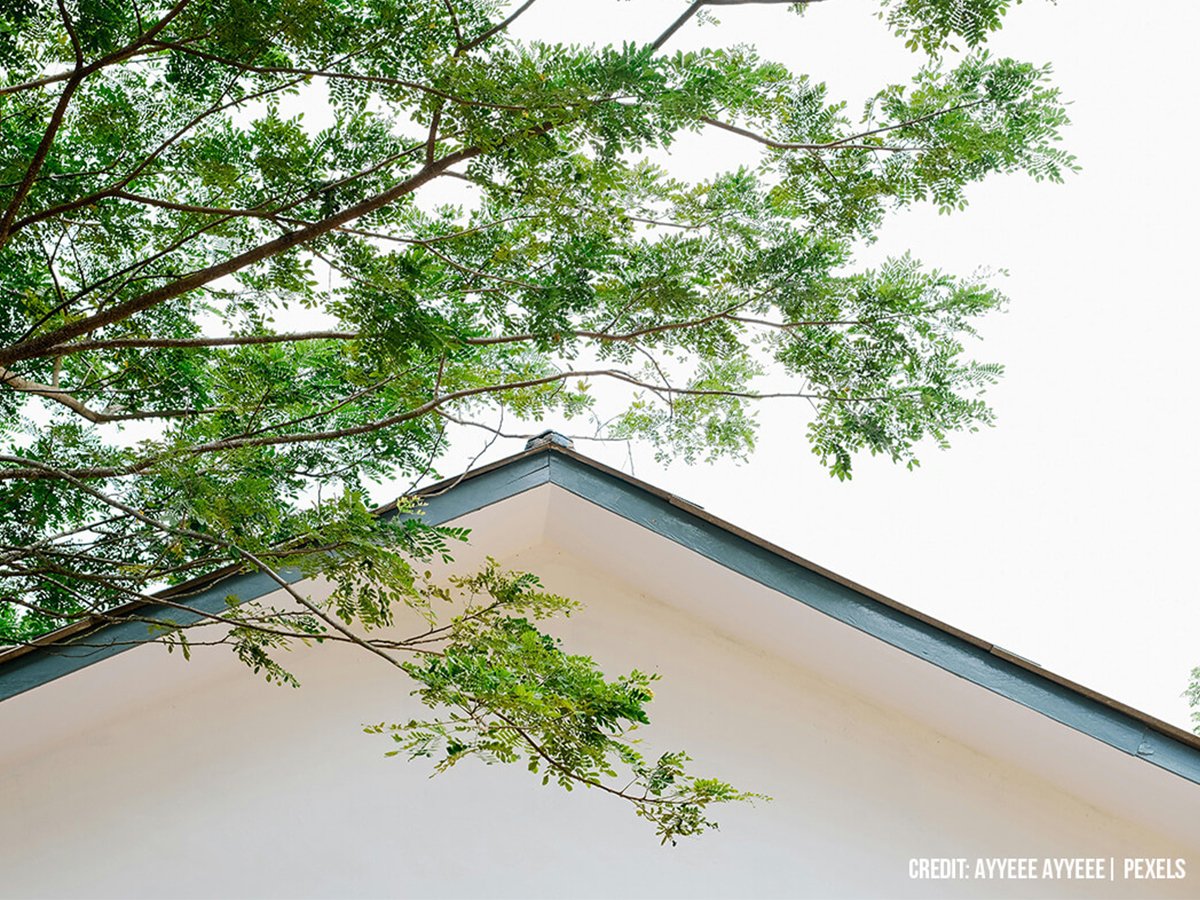
You may understand your tree needs pruning, but it’s also prudent to ask why a particular branch needs removal. Ask the arborist to walk the property with you and identify the limbs slated for removal. There should be a reason for every cut, be it deadwood, disease, crossing or rubbing branches, a structural defect, or clearance from a roof, wire, or driveway. This conversation is vital, as much for minimizing disputes about scope and protecting branches you want to keep.
6. Is This the Right Season to Prune This Species?
There are ideal times for pruning trees, and it’s vital for a tree’s health that you do the work at those times when pruning minimizes any impact on a tree’s health. Many deciduous species are best pruned during dormancy. On the other hand, certain species become vulnerable to disease transmission when cut during periods of active insect movement. Finding the right time to prune your trees goes a long way to avoiding times when your Dead or hazardous limbs are an exception and can be addressed whenever they are found. Pay attention if a contractor insists any month works equally well for any species; species-specific risks are not being taken into account in these cases.
7. What Happens to the Debris and the Rest of My Yard?
Service doesn’t end with the completion of a job; there’s the aftermath to consider, usually in the form of hauling brush, chipping, raking, and clearing sawdust from lawns and garden beds. Ask your arborist what happens to larger wood, and whether material from diseased trees will be disposed of separately so pathogens are not spread. You also need to consider how equipment will reach the work area and what protection will be placed over turf, beds, and paved surfaces. These details can make all the difference when you’re comparing quotes that might otherwise look identical.
8. Do You Handle Hedges and Ongoing Maintenance as Well?
Most properties will need more than one arborist visit over the years. The advantage of sticking with a single contractor is that that arborist comes to know your site and can consistently track how each tree responds over time. Homeowners looking for hedge trimming in Bradford in addition to canopy work can very often work both tasks into the same window, making the scheduling simpler and the results more consistent. Ask whether the company offers a maintenance schedule and keeps records of previous work performed on your property.
Asking the right questions is always integral before committing to a contractor to do your work. Whether you’re looking for tree pruning or hedge trimming in Newmarket, A qualified arborist can answer your questions directly and simply, letting you understand the ins and outs, and why and wherefores of the upcoming work. More than having an arborist who knows the business, finding an honest and straightforward business to work with also gives you an honest and transparent partner you can turn to when you need more work done in the future.
Your trees deserve care from a team that answers your questions and works with you to give your trees the care they deserve. Dave Lund Tree Service brings certified expertise, proper coverage, and a maintenance approach to help you care for your trees for the long-term. Give us a call now at (905) 884-0511 and get the support your trees need to maintain their health.
Frequently Asked Questions
1.How Often Should Mature Trees Be Pruned?
Most established shade trees benefit from inspection every three to five years, though younger trees often need attention more frequently as their structure continues development. Meanwhile, dead, damaged, or hazardous limbs should be removed as soon as they are noticed.
2. Will Pruning Hurt My Tree?
Every cut creates a wound the tree must seal on its own. Properly placed cuts on healthy wood close efficiently; however, poorly placed cuts, torn bark, or excessive removal leave openings that invite decay and insects.
3. What Is Topping, and Why Is It Discouraged?
Topping means cutting main limbs back to stubs to reduce height. This practice removes a large share of the canopy at once, leaves large wounds, and produces weakly attached regrowth that is more likely to fail in wind or ice.
4. Can I Prune My Own Trees?
Small branches within safe reach from the ground can often be handled by a homeowner with sharp, clean tools. Work requiring a ladder, a chainsaw, or proximity to utility lines should be left to trained professionals.
5. Does Pruning Encourage New Growth?
Yes. Trees respond to cuts by pushing growth near the wound, which is why the timing, placement, and amount of pruning all influence how the canopy fills back in.