
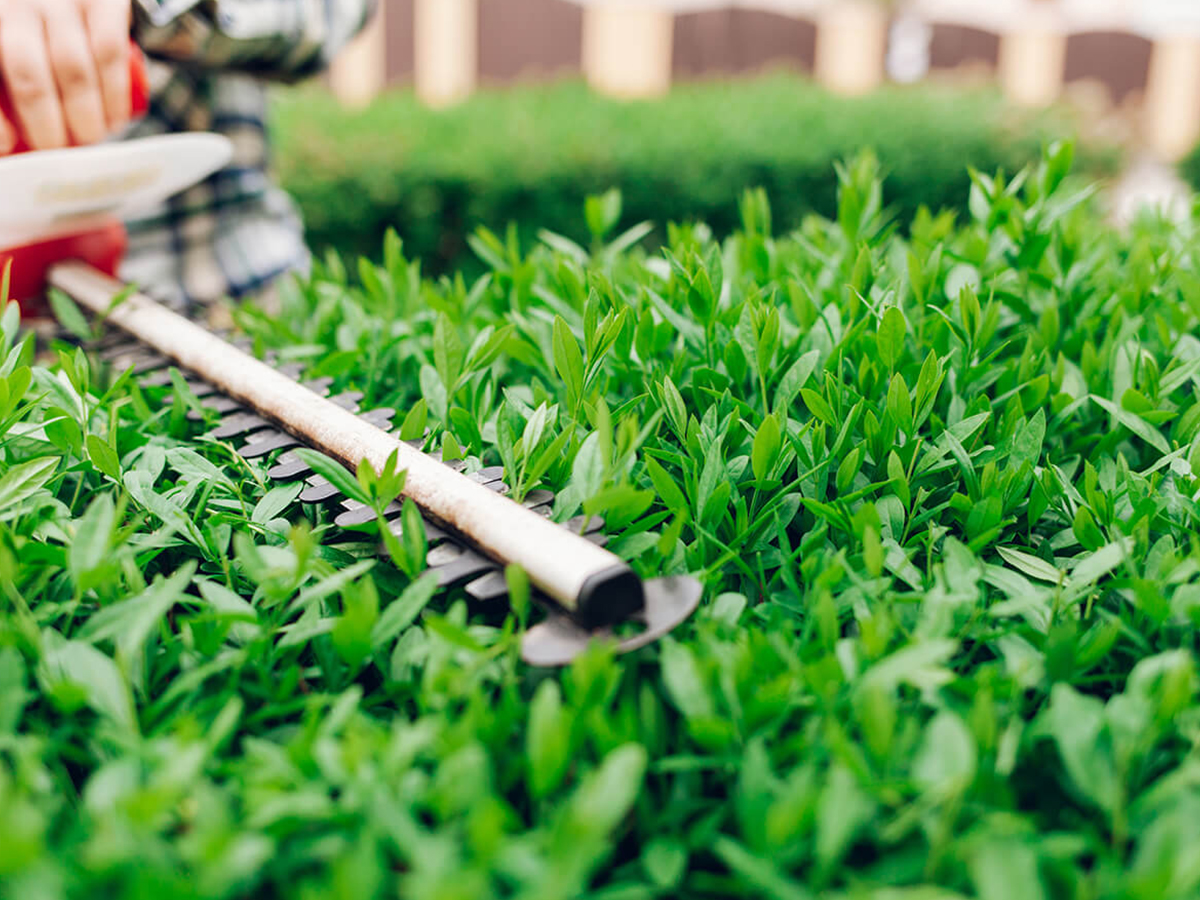
Looks can be deceiving, and that adage gets especially true when it comes to your home’s hedges. A hedge that looks full from the outside may well be hollow at the core, and it can be difficult to tell which the hedge is from a glance. Shearing the hedge once a season and hoping for the best rarely produces the dense, even growth most homeowners picture when they plant one. Pruning is key to shaping a hedge properly; it affects how the hedge fills in, how much light reaches its interior, and how well it recovers from stress. Pruning matters, and getting the pruning done right is key to a healthy, shapely hedge.
Here’s a short list of guiding questions to help you see how pruning is so integral to your hedge’s shape and health.
1. What Does Pruning Do That Simply Letting a Hedge Grow Cannot?
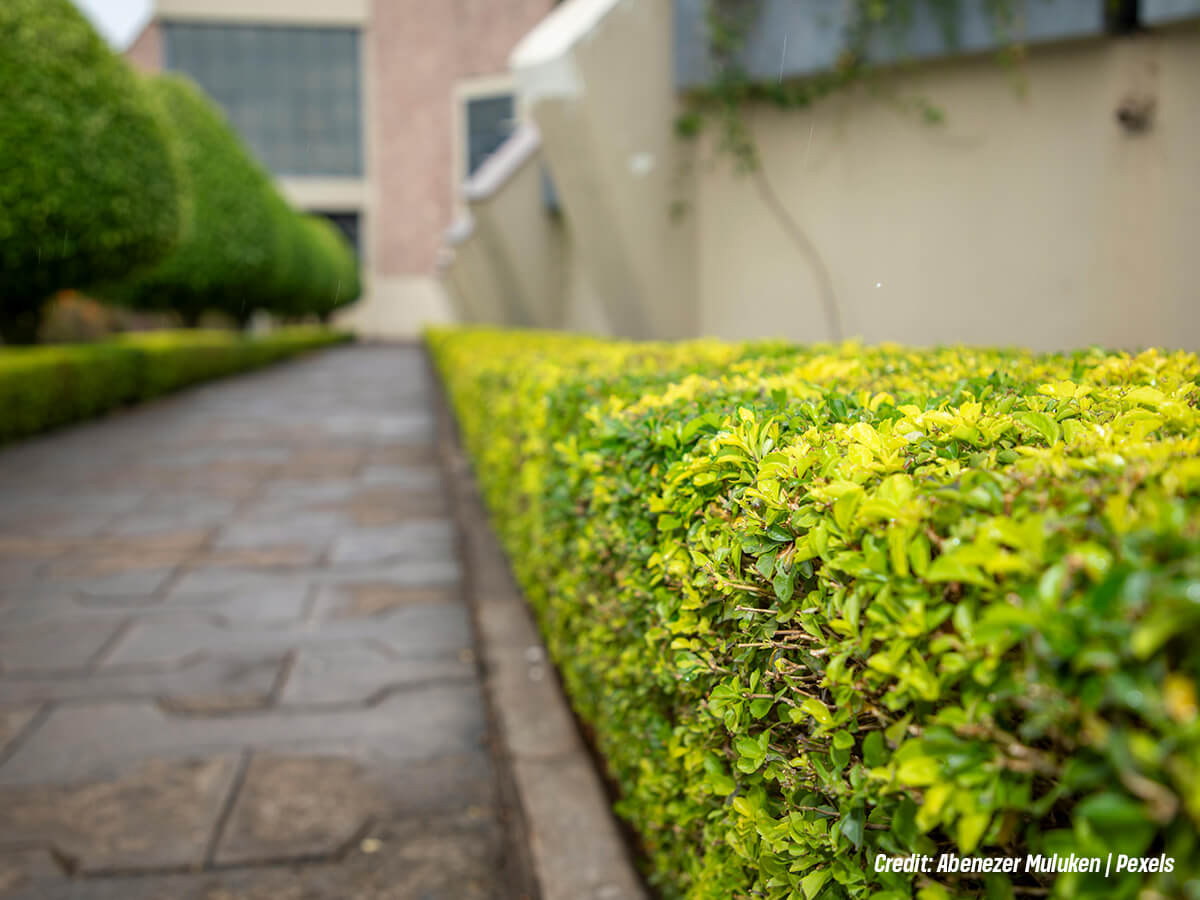
As a rule, when left to their own devices most hedge species put their energy into a few dominant leading shoots. Those shoots stretch upward and outward, the growth spreads thin, leading to the plant growing tall and sparse rather than compact. Pruning matters because cutting those leaders to a more manageable redirects energy into the buds lower down the stem, which is where a hedge builds its body. The same principle guides crews working on tree pruning in Markham as they work, the same logic applies to hedges just as directly. Just as a tree directs energy toward its remaining parts, a hedge does the same following a pruning session.
2. Why Does Cutting Back Produce Thicker Growth Instead of Less?
It may surprise you to hear that pruning is a way to stimulate growth, that cutting away part of the hedge actually encourages more growth following it. How it works is that each cut removes the tip that was suppressing the buds behind it. Once that tip is gone, several dormant buds break and grow, so one stem grows into three or four. Repeat that over a few seasons and the outer surface of the hedge becomes a dense screen of fine twigs rather than a handful of long, bare branches. Timing matters as well; knowing the best time to prune your trees and hedges goes a long way to getting the most out of your efforts. In the case of your hedges, cuts made during active growth are addressed quickly as the hedge regrows right away, while cuts made late in the season may sit until spring.
3. How Does Regular Trimming Keep Light Reaching the Interior?
Hedges require sunlight like any other plant. However, a hedge only holds leaves where the light reaches. Should the outer canopy thicken without being cut back, it shades everything behind it, causing the inner leaves to drop and the plant to become a green shell over bare wood. Regular trimming keeps the outer layer thin enough for light to filter through and prompt leaf growth within the hedge. This is also why specialists in hedge trimming in Richmond Hill tend to taper a hedge slightly wider at the base than at the top, so the lower branches are not shaded out by the ones above them.
4. Can Trimming Reduce Disease and Pest Pressure?
Trimming goes a long way toward reducing pest proliferation and infection for your hedges. Dense, unmanaged growth tends to trap moisture against the foliage and slows drying after rain; these damp interior conditions are often what prompt fungal problems in a hedge. Trimming opens the structure enough for air to move through it, which reduces the stagnant dampness so favourable to fungi. The trimming also thins the shrubbery, giving the arborist doing the work a clearer look at the plant. That gives the arborist the opportunity to detect dieback, cankers, or insect activity, and then address the issue early. Done early enough, any affected wood can be removed before any problems spread through the rest of the hedge.
5. Does Pruning Keep a Hedge in Shape Over the Long Term?
As a rule, shape is easier to maintain than to recover. A hedge trimmed on a regular schedule only ever needs the current season’s extension taken off. This means the cuts needed to trim the hedge stay shallow and the outline holds. Once several seasons pass, the framework itself has moved outward and upward. To bring the hedge back to the previous level would mean cutting into older wood rather than green growth. Old wood carries fewer dormant buds, so the response is slower and, with certain species, the gaps never close.
6. What Happens When a Hedge Is Left Untrimmed Too Long?
Just like hair, hedges require regular trimming to maintain their height and outline. Over time, a hedge typically continues to expand at the edges while the middle empties out. Lower branches die back under the shade of the upper ones, gaps appear, and the shape becomes top-heavy and uneven. Restoring a hedge in that condition takes staged work over more than one season rather than a single visit. Professional hedge trimming is often the practical route at that stage, since cutting back hard on the wrong species or at the wrong time can kill sections outright.
7. When Does It Make Sense to Hand the Job Over?
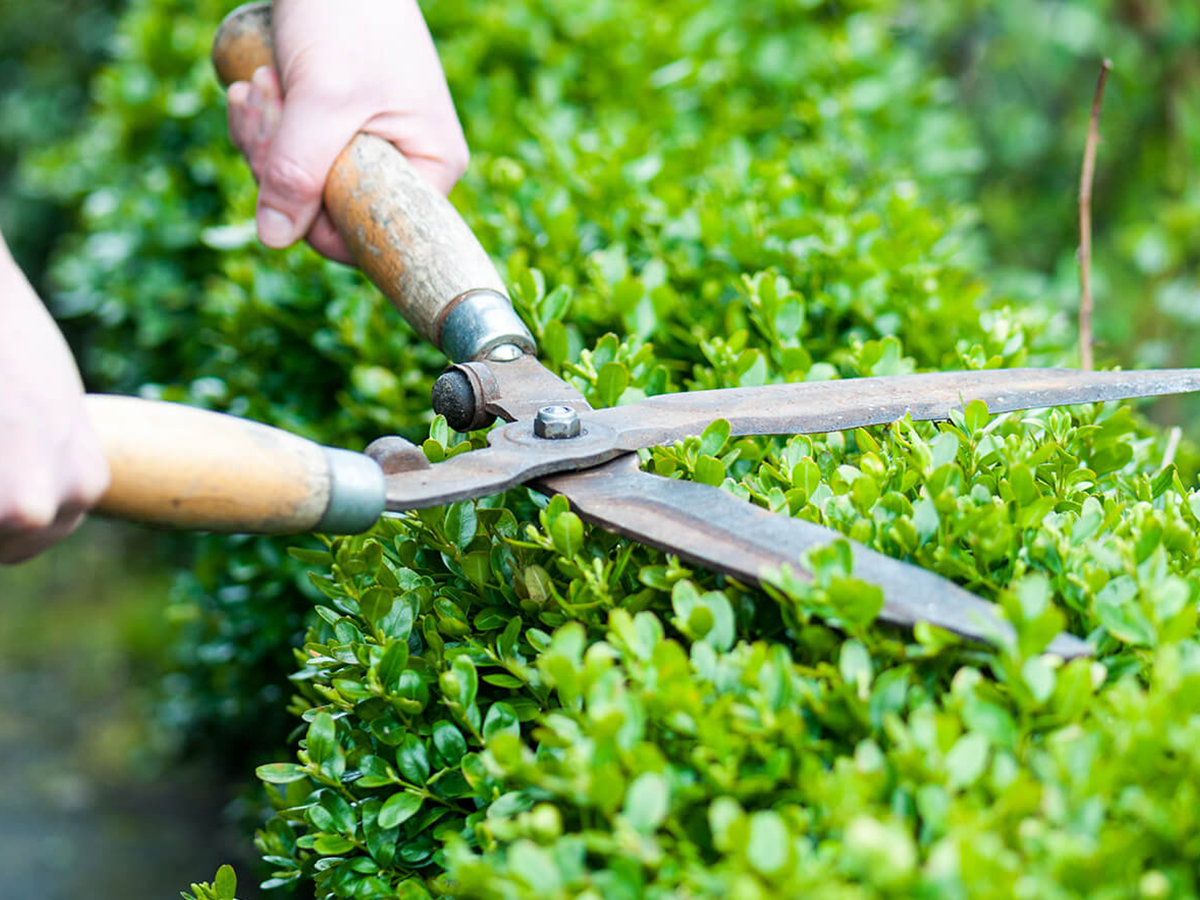
Short, accessible hedges are manageable with hand shears and a steady eye; however, the job of trimming yourself can be a challenge once taller heights become a concern. The calculation changes with height, with hedges near fences, driveways, or overhead lines, and with species that need specific handling. Working from a ladder with a powered trimmer is can lead to injuries and other complications if you don’t have the training and equipment to do this work safely. Bringing in a trusted tree service lets you bring in professionals who can ensure the cuts are made at the right point on the stem and at the right time of year for the species involved.
When you need a hedge trimming service to help with your hedges, it’s vital you find a reliable one. Dave Lund Tree Service handles hedge trimming and pruning for homeowners across Markham, Richmond Hill, and the surrounding areas. Call us now at (905) 884-0511 to arrange and let us help you give your hedges the TLC they deserve.
Frequently Asked Questions
1. How Often Should a Hedge Be Trimmed?
Most formal hedges need two trims per year, typically once in late spring and again in late summer. Fast-growing species may need a third pass. Informal or slow-growing hedges often hold their shape with a single annual cut.
2. Can a Hedge Be Trimmed at Any Time of Year?
Timing depends on the species and on nesting activity. Cuts made during active growth respond quickly, while heavy work in late autumn leaves fresh wounds exposed through winter. Hard renovation cuts are usually reserved for late winter or early spring.
3. Will Cutting a Hedge Back Hard Kill It?
Some species regenerate readily from old wood, and others do not. Conifers such as cedar and spruce rarely recover once cut past their green growth, so the species should be identified before any hard reduction is attempted.
4. Why Is the Bottom of a Hedge Thinner Than the Top?
The upper growth is shading the lower branches. Trimming the hedge so it is slightly wider at the base than at the crown allows light to reach the bottom and keeps foliage there.
5. Do Hedge Clippings Need to Be Cleared Away?
Yes, always. Clippings left inside the hedge or piled at its base trap moisture and can encourage rot and pests.