Knowing when a tree crosses the line from being a valuable asset to an unpredictable hazard is a crucial aspect of responsible property ownership. Ignoring the warning signs can lead to catastrophic property damage, costly liability claims, and most tragically, severe injuries or fatalities.
“Tree Removal 101” is designed to educate property owners on how to spot the critical red flags that indicate a tree is failing. While many arboreal issues can be successfully mitigated with corrective pruning, cabling, or disease management, other situations leave property owners with only one safe option: complete removal.
Here are 5 unmistakable signs that your tree has become a safety hazard and urgently requires professional attention.
1. Significant Trunk Damage or Decay
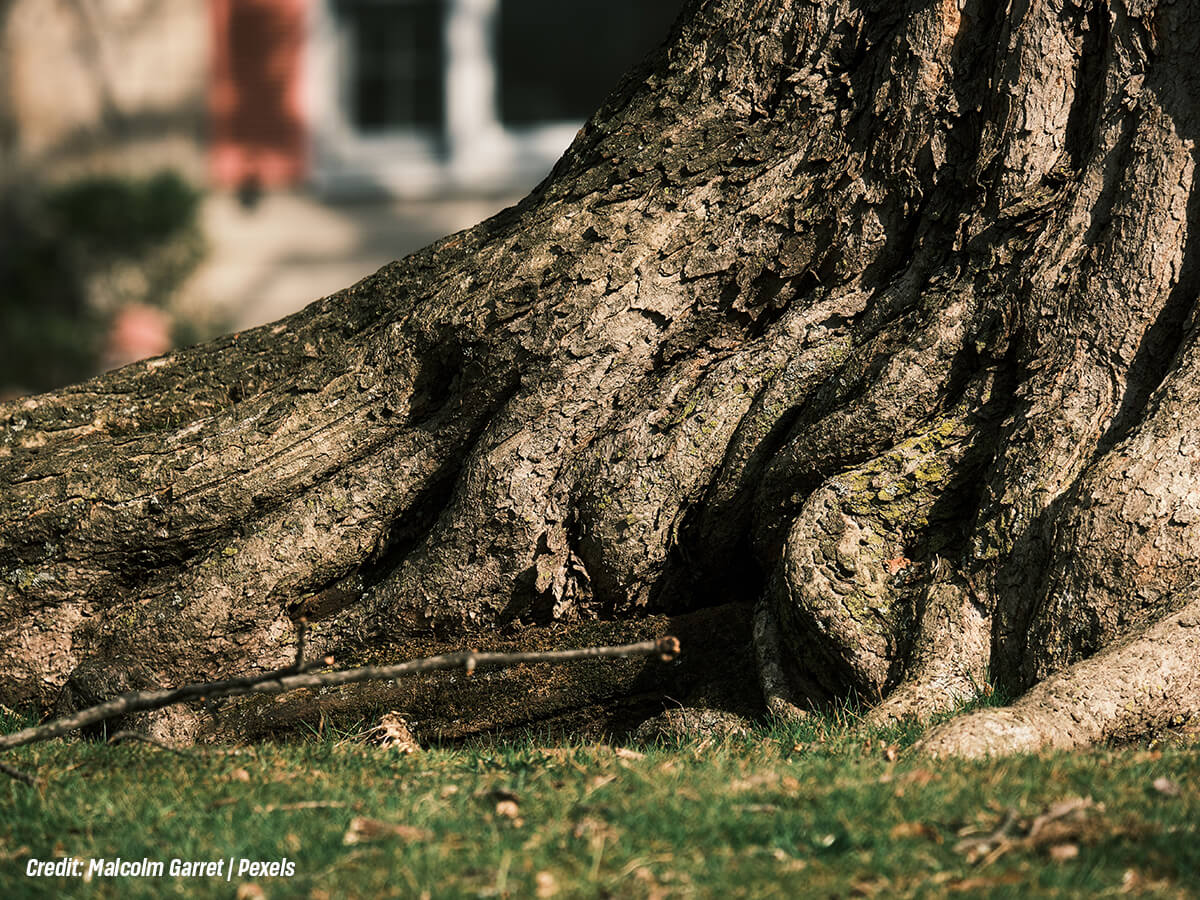
The trunk is the central support column of a tree, bearing the immense, shifting weight of the canopy above. If the trunk’s structural integrity is compromised, the entire tree is at risk of catastrophic failure. You should regularly inspect your tree trunks, looking closely at the bark and the wood underneath.
Are there large, deep cracks or vertical splits running down the main trunk? Do you see extensive areas where the bark is missing, peeling away in large chunks, or completely smooth and dead? These are often signs of internal rot or severe structural weakness.
Furthermore, the presence of large cavities or hollowed-out sections indicates that the tree is essentially losing its core strength. While certain resilient tree species can technically survive for years with hollow trunks, this condition significantly weakens their structural fortitude, leaving them highly vulnerable to snapping during high winds, heavy snow loads, or ice storms.
If you notice severe, deep-seated structural compromise in the main trunk, it’s a glaring red flag that the tree may need to come down.
2. Dead, Dying, or Falling Branches
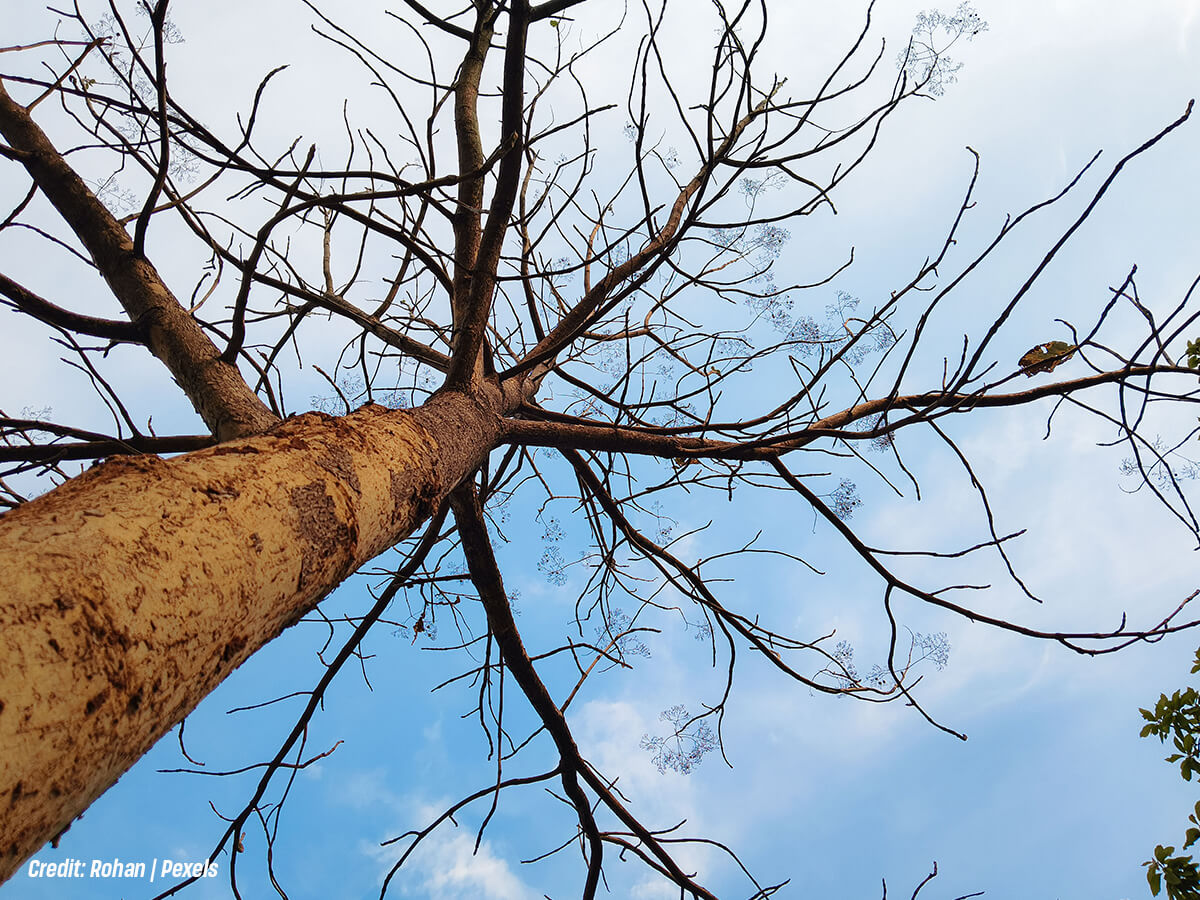
A tree’s upper canopy can communicate a wealth of information about its overall health and stability. If you observe large, dead branches hanging perilously from the upper crown—often referred to in the forestry and arboriculture industries as “widowmakers”—you have an immediate and severe safety hazard on your hands.
These dead branches are completely unpredictable and can snap and fall at any moment, especially during a severe storm, but even on a perfectly calm day due to simple gravity and gradual decay.
Additionally, observe the leaf cover during the spring and summer growing seasons. Are there significant sections of the crown that remain completely bare while the rest of the tree leafed out? This phenomenon, known as “crown dieback,” is a major symptom of severe systemic stress, disease, or extensive root damage.
Dead branches are unpredictable and incredibly dangerous to pedestrians, parked vehicles, and nearby roofs. If your property is heavily treed, proactive management and regular canopy inspections are key.
If you require tree removal in Bradford, ON, having a certified arborist assess the canopy health can prevent unexpected property damage and keep your yard safe.
3. Leaning Structure and Root Issues
It is completely normal for trees to grow with a slight, natural lean, usually as they reach toward available sunlight over many years (a process called phototropism). However, a sudden, newly pronounced lean is a very different and much more alarming story.
If a once-straight tree suddenly tilts significantly after a severe windstorm, or if you notice the soil on the opposite side of the lean is heaving, cracking, or lifting, the root system has failed. The tree has lost its structural anchor in the earth and is in imminent danger of toppling over entirely.
Furthermore, inspect the base of the trunk where it meets the soil. Do you see mushrooms, conks, or other types of fungal brackets growing heavily on the lower trunk or the exposed roots? Fungal growth is frequently a symptom of advanced root rot or extensive internal decay within the primary structural roots. Without strong, healthy roots to anchor it, a tree cannot support its own massive, swaying weight.
Trusting our professional tree service in Richmond Hill to properly evaluate subterranean root health can literally save your home from a devastating, crushing impact.
4. Proximity to Power Lines or Structures
Sometimes, a tree might be perfectly healthy but simply located in a terrible, hazardous spot. In tree risk assessment, professionals look for a “target”—what will the tree hit if it falls? Trees that grow too close to residential structures, detached garages, or overhead power lines pose a massive, inherent risk.
Branches that continuously rub against your home’s roof can violently strip away shingles, severely damage gutters, and provide a convenient bridge for nuisance pests like rodents, raccoons, and carpenter ants to bypass your home’s defences.
Even more concerning are trees that have grown entangled in or are hovering dangerously over high-voltage municipal power lines. In high winds, these branches can easily cause neighbourhood-wide power outages, spark devastating electrical fires, or send lethal electrical currents down to the ground.
You should never attempt to prune or remove trees near active power lines yourself; this is highly specialized, incredibly dangerous work that strictly requires certified arborists and utility workers who understand the exact clearances and life-saving safety protocols required.
5. Severe Disease or Pest Infestation
Sometimes the threat to a tree’s stability isn’t physical damage from a storm, but a biological attack. Invasive pests, such as the Emerald Ash Borer, Spongy Moth, or various species of bark beetles, can systematically decimate a tree from the inside out. They rapidly cut off the tree’s vascular system, starving the canopy of essential nutrients and water.
Similarly, pervasive and aggressive fungal diseases like Dutch Elm Disease or Oak Wilt can spread rapidly through a tree’s vascular tissue, choking the life out of it.
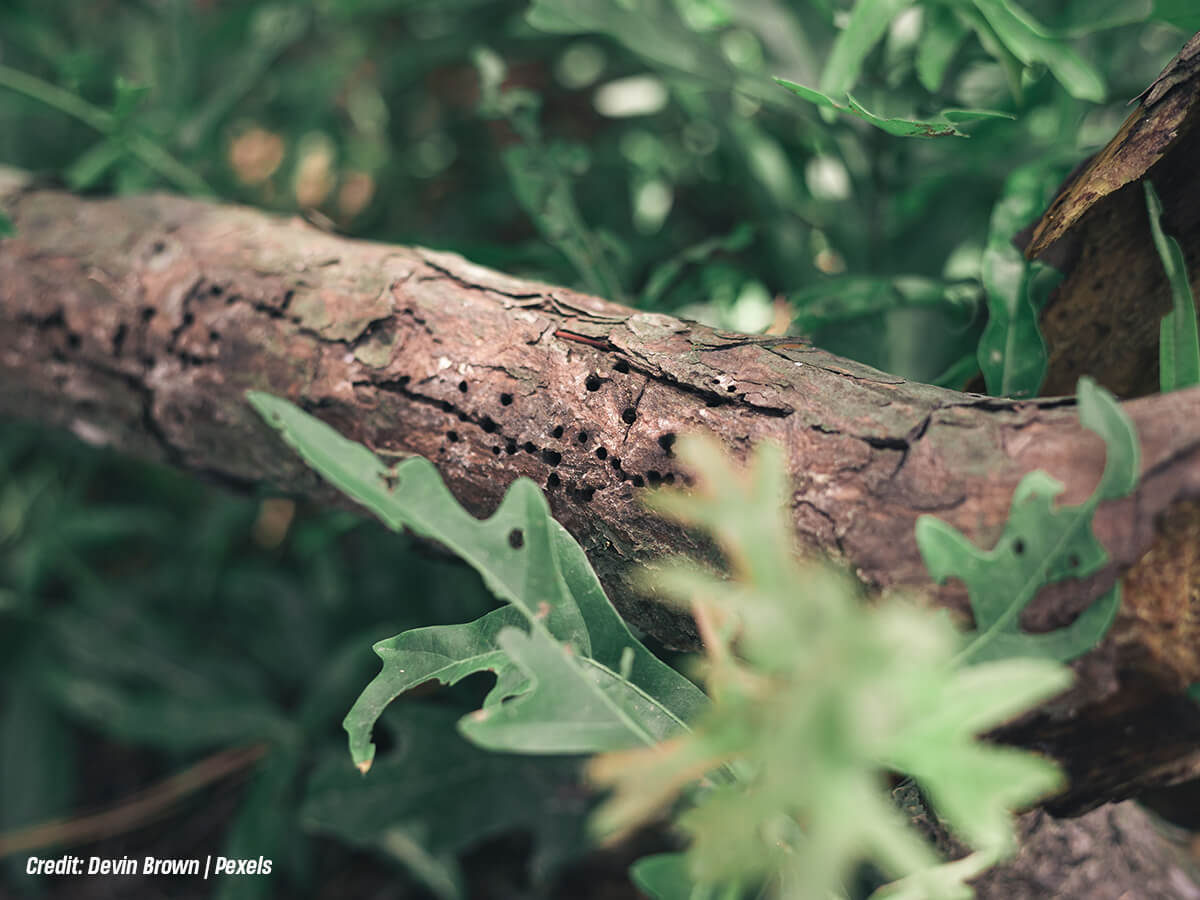
By the time the external visual symptoms—such as widespread premature leaf discoloration, extensive branch dieback, or massive sap leakage from the trunk—become undeniable to the untrained eye, the tree is frequently too far gone to be saved by chemical treatments.
A diseased or severely infested tree not only becomes a physical falling hazard as its wood rapidly rots, but it also becomes a dangerous breeding ground. Leaving a dying, infested tree standing allows pests and pathogens to multiply and spread to other healthy trees in your yard and throughout your neighbourhood. Removing the hazard promptly is often the only responsible way to protect the broader surrounding ecosystem.
Don’t Wait for Disaster to Strike
Don’t wait for the next major windstorm or ice storm to bring a hazardous, rotting tree crashing down onto your property. Protect your home, your family, and your peace of mind by calling the proven experts today.
Contact Dave Lund Tree Service at (905) 884-0511 for professional, safe, and reliable tree care and removal services.