
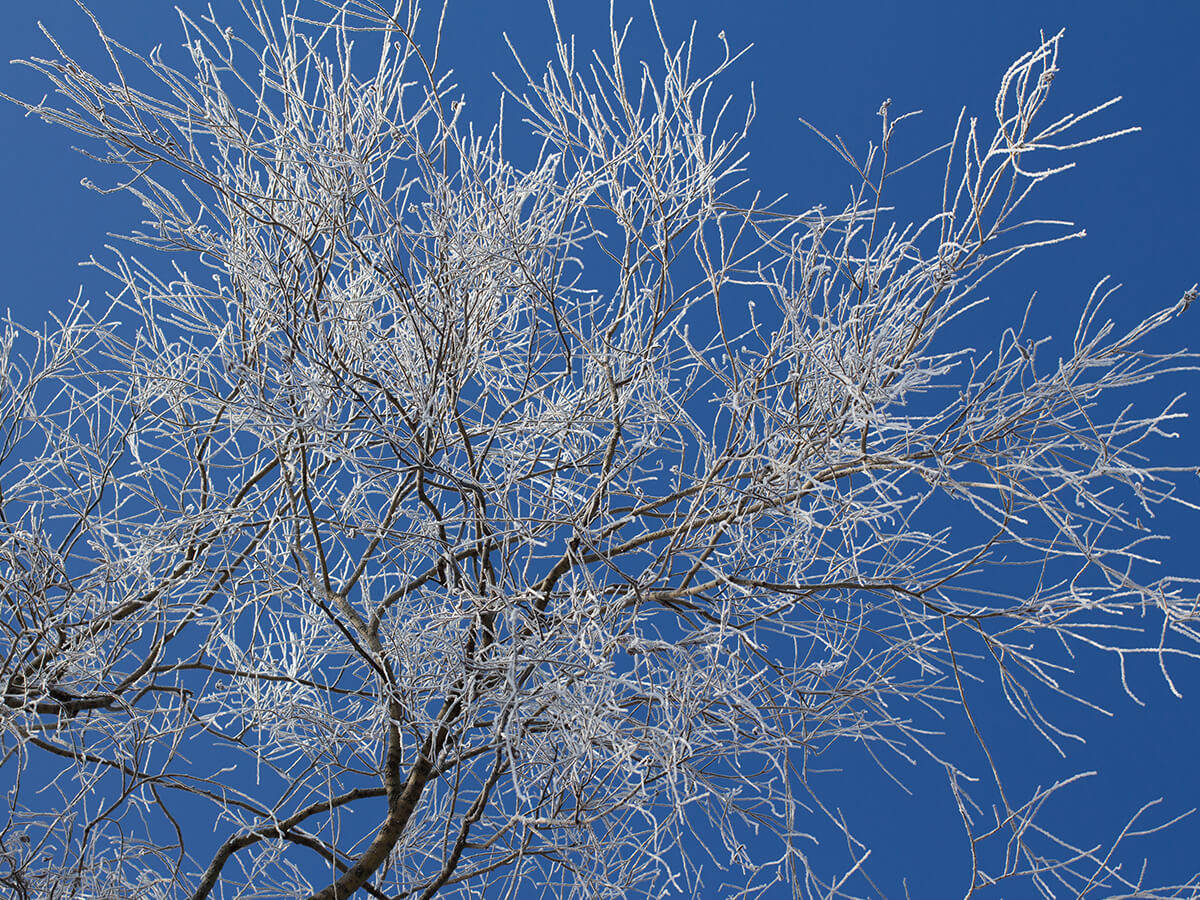
Winter puts heavy demands on trees. All the snow, ice, freezing rain and strong winds add weight and stress to every limb, and branches that already have hidden weaknesses are the ones most likely to fail. A falling limb can damage its surroundings, and for this reason it’s always prudent to perform regular checks on your trees. A little vigilance goes a long way, especially when it comes to preventing structural failure in your trees come winter. Checking your trees in the fall is especially prudent, as the timing gives you enough of a window to act before the first storm arrives.
Here’s a short list of questions to ask yourself to help you identify if your trees have any vulnerable branches that need to be addressed before the onset of winter.
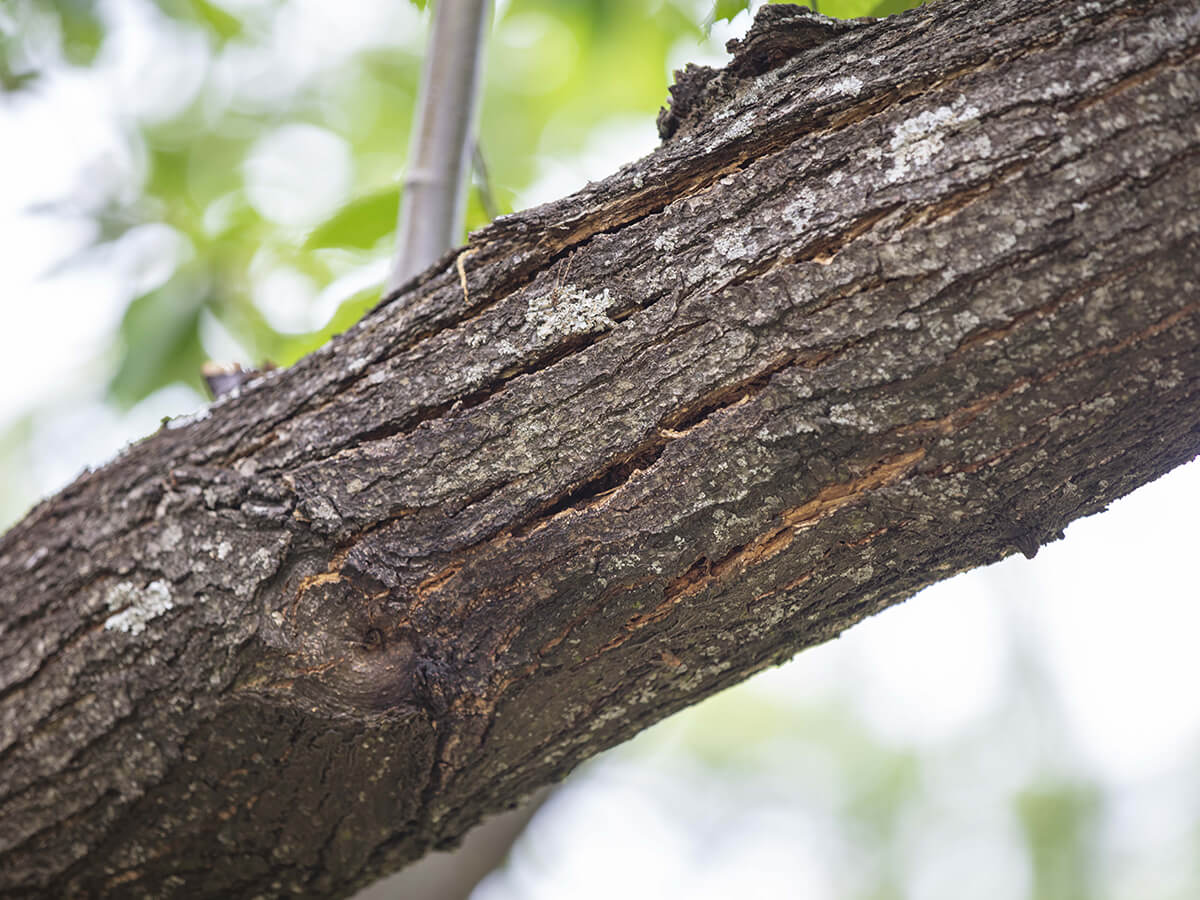
1. Are There Cracks or Splits in the Branches?
Cracks are always cause for concern in a tree, and more so if the cracks occur at juncture points. Look closely at the points where branches meet the trunk and along the length of larger limbs. Vertical cracks, splits or seams in the bark are all strong indicators of internal weakness. When snow and ice add weight, these cracks can widen quickly and cause the limb to break. A crack that extends deep into the wood or runs along a major branch should be assessed by a certified arborist before winter.
2. Does the Tree Have Dead or Dying Limbs?
Dead branches don’t just look unappealing, they also become brittle and can snap easily under the weight of ice or wet snow. Signs your tree has a dead branch include missing or peeling bark, a lack of buds or leaves during the growing season. The wood also feels dry or breaks with little effort. Take the time to remove any dead wood before winter to lower the risk of any sudden breaks in case of a storm.
3. Are There Weak Branch Unions?
Some junctures are more stable than others. Branches attached at narrow, V-shaped angles are at particular risk as they often have bark trapped between the stems. This arrangement prevents a strong connection from forming and makes the joint a failure point. This condition, known as included bark, makes the union more prone to splitting under heavy loads. U-shaped attachments are generally stronger. If your tree has two or more competing leaders joined at a tight angle, selective pruning to reduce the canopy’s weight or cabling and bracing the tree for additional support may help reduce stress on the union.
4. Is There Evidence of Decay or Fungal Growth?
Infection and decay can rot the structure of a tree and increase the risk of failure. Mushrooms, conks or soft, crumbly wood on the trunk or branches are a few symptoms to warn you of internal decay. Cavities, oozing sap and hollow sounds when tapping a limb are other, less visible warning signs you’ll need to keep watch for. Keep in mind that decay weakens the wood from the inside, so a branch can look healthy on the outside while losing much of its strength. Indeed, zombie trees (so-called because they appear outwardly healthy but are rotting on the inside) are a common hazard in many parts of Canada. Early identification allows an arborist to determine whether an infected limb can be saved.
5. Are Branches Overhanging Your Home or Power Lines?
Even healthy branches can pose a risk when they extend over roofs, driveways, walkways or utility lines. A limb that bends under a few centimetres of ice can easily contact wires or shingles. Strong enough wind, rain, and ice can even knock down trees close to power lines and homes, sometimes causing power outages to entire areas. As such, it’s prudent to keep branches trimmed back so they have room to sag without striking anything. Branches near power lines should only be handled by qualified professionals or your local utility provider.
6. Is the Tree Leaning or Showing Root Problems?
A sudden or increasing lean, lifted soil, or exposed and damaged roots can indicate a tree that is losing stability. Frozen ground and heavy winter loads may be responsible, as these conditions place extra pressure on a weakened root system. Look for cracks in the soil around the base and fungal growth near the roots. Any change in how the tree stands should be inspected promptly.
Spotting weak limbs early is important for giving you the chance to prune, brace or remove problem branches before winter weather tests them. A careful fall inspection, with a professional assessment when warning signs appear, goes a long way toward protecting your property through the colder months and ensuring your home stays safe as the seasons change.
Need an arborist to take a look at your trees before winter? Dave Lund Tree Service can inspect your trees and prune any vulnerable branches to help protect your home and property. Call us now at (905) 884-0511 to book your tree assessment with our team.
Frequently Asked Questions
1. When Is the Best Time to Inspect Trees Before Winter?
Late fall is ideal. At this time, most of the leaves have dropped and the branch structure is easy to see. Inspecting just before the ground freezes also leaves time to schedule any last-minute pruning or removal before snow and ice arrive.
2. Can I Remove Vulnerable Branches Myself?
Small, low branches that can be reached from the ground may be trimmed with proper tools. However, larger limbs, high branches or anything near power lines should be handled by a certified arborist.
3. How Does Ice Damage Tree Branches?
Ice coats branches and puts strain on them, causing these branches to bend beyond their normal limits. Limbs with cracks, decay or weak unions are are particularly at risk of snapping under this added load.
4. Should I Shake Snow Off My Tree’s Branches?
Gently brushing light snow off lower branches with a broom can help reduce weight. However, avoid shaking or striking branches coated in ice; frozen wood is brittle and can break easily.
5. Do Young Trees Need Winter Protection Too?
Young trees have thinner branches and less developed root systems, which can make them vulnerable to heavy snow and wind. Structural pruning while these trees are young helps build a stronger framework for future winters.