
Quick Answer: If your hedge shows deep interior dieback, fungal diseases, structural splitting, or severe pest damage, routine shearing will not save it. While standard hedge trimming manages outer shape, underlying health crises require targeted root aeration, systemic treatments, soil remediation, or structural cabling to prevent complete plant failure.
An attractive, manicured exterior is the pride of any Canadian property, but running gas shears over a failing hedge only masks deeper, life-threatening issues. Routine hedge trimming is highly effective for maintaining clean aesthetic boundaries, but it is entirely useless against systemic diseases, soil compaction, and internal structural rot.
When a living boundary begins to thin out, lose its lower foliage, or discolour, continuing to hack away at the exterior tips will actively accelerate its decline. Property owners must learn to recognize the clear biological distress signals that indicate a hedge is fighting for survival and needs immediate, specialized intervention.
Why Is Exterior Thinning a Symptom of Internal Starvation?
When your privacy screen begins to look sparse, the temptation is to cut it back harder to stimulate new growth. However, a thinning canopy usually points directly to root distress or soil compaction, which physical shears cannot resolve.
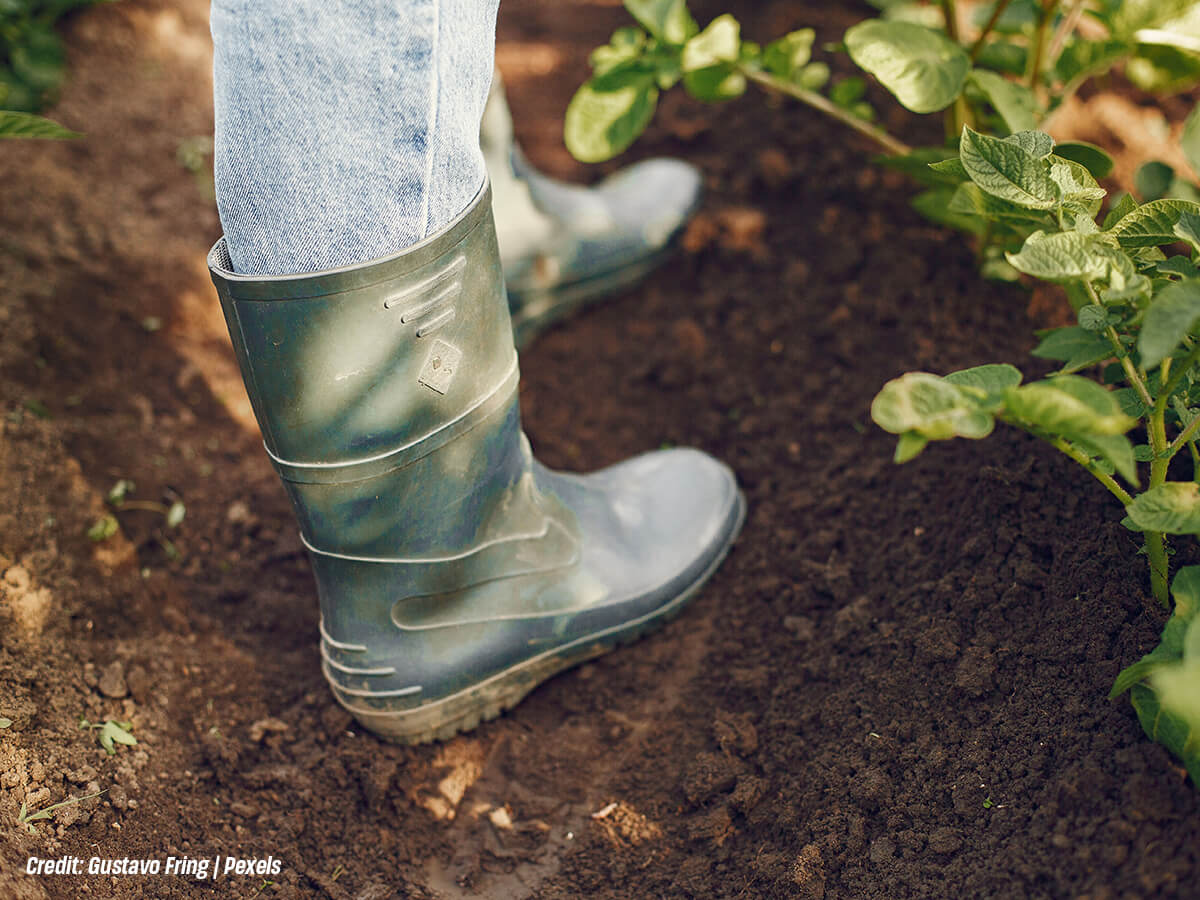
- Soil Compaction and Suffocation: Heavy foot traffic, clay-heavy Canadian soils, or nearby construction projects compress the earth around the root zone. This deprives the plant of oxygen, water, and essential nutrients, causing the upper leaves to slowly starve and drop.
- The Dying Lower Canopy: If the bottom of your cedar or yew boundary is completely bare while only the top remains green, the plant is failing to distribute nutrients upward or is suffering from severe light starvation. Trimming the top will not force life back into dead lower wood.
- Root Rot Infestations: Excessively wet soil from poor property drainage pools around root systems, drowning them and inviting destructive water moulds. Once root rot takes hold, the leaves will turn a sickly yellow-brown from the ground up.
What Do Leaf Discolouration and Spots Actually Mean?
Foliage should maintain a consistent, vibrant hue from spring through the dead of winter. Distinct changes in leaf texture, spots, or odd dustings are clear warnings of fungal pathogens or insect invasions that require medical botanical treatment.
- Powdery Mildew Encroachment: This common white, dusty fungus coats leaves and blocks vital sunlight, gradually weakening the plant’s ability to photosynthesize. Mildew is easily killed with a systemic fungicide, but the dead fungus remains on the foliage; a light trim a few weeks after treatment is required to physically remove it.
- Rust and Needle Blight: If your local Ontario cedars display reddish-brown pustules or sudden tip browning, they are likely battling needle blight. This highly infectious fungus spreads rapidly through water droplets during rainy spring months and can defoliate entire rows if left untreated.
- Sooty Mould and Scale Insects: A black, sticky substance coating your branches is not dirt; it is sooty mould growing on the sweet honey-dew excreted by scale insects or aphids. You must eradicate the insect infestation first, or the mould will continually return and smother the foliage.
How Does Structural Splitting Threaten the Entire Boundary?
Heavy winter snow, freezing ice storms, and high winds place immense physical stress on living walls. When the internal wooden framework of the plants begins to fail, physical shearing cannot restore their structural integrity.
- Multi-Leader Trunk Splitting: Many popular evergreen species grow with multiple main stems. As they grow taller, ice accumulation can easily wedge these stems apart, creating deep, vertical splits down the trunk that expose the raw interior to wood-rotting fungi.
- Hollow Center Syndrome: Neglecting the interior of a wide hedge causes the inner branches to completely die off due to a lack of sunlight. This leaves a fragile, hollow shell that easily collapses under the weight of wet winter snow, leaving massive, unrecoverable gaps.
- Decay and Fungal Conks: The appearance of shelf-like mushrooms growing directly out of the main wooden trunks is a critical warning sign. These fruiting bodies indicate that the interior wood is actively rotting, rendering the plant structurally unsafe.
When Is Soil Remediation and Root Feeding Required?
A beautiful green canopy is entirely dependent on the health of the underground root system. When the soil lacks nutrients or becomes biologically dead, the entire hedge will display chronic stunting and seasonal dieback.
- Nutrient Depletion: Over time, mature hedges deplete the surrounding soil of nitrogen, phosphorus, and potassium. Without regular deep-root fertilization, the foliage loses its rich green lustre and becomes highly susceptible to opportunistic pests.
- pH Imbalances: Many local Canadian evergreens thrive in slightly acidic to neutral soils. Runoff from concrete driveways, winter road salt, or high-alkaline municipal water can alter the soil chemistry, locking up essential micronutrients like iron and causing severe yellowing.
- Compaction Relief: To revive a declining hedge, professional arborists use high-pressure air excavation tools to gently loosen compacted soil around the root zone without damaging the roots, followed by organic soil amendments.
Relying on trusted tree services ensures that these complex biological issues are properly diagnosed. Professional arborists can perform deep soil analysis, apply target systemic micro-injections, and provide the advanced structural care needed to save a dying boundary line.
What Are the Major Pest Threats to Local Ontario Hedges?
In areas like York Region and Aurora, local insect populations can decimate a mature hedge in a single season if their warning signs are ignored:
- Cedar Leafminers: These tiny larvae tunnel inside cedar needles, causing the outer tips to turn brown and paper-thin in late spring. Shearing off the brown tips only removes the damage temporarily without addressing the active pest population.
- Spider Mites: These microscopic pests thrive in hot, dry summer weather. They suck the life out of evergreen needles, causing them to turn a dull grey-green before falling off. You can detect them by shaking a branch over a white piece of paper and looking for tiny, moving specks.
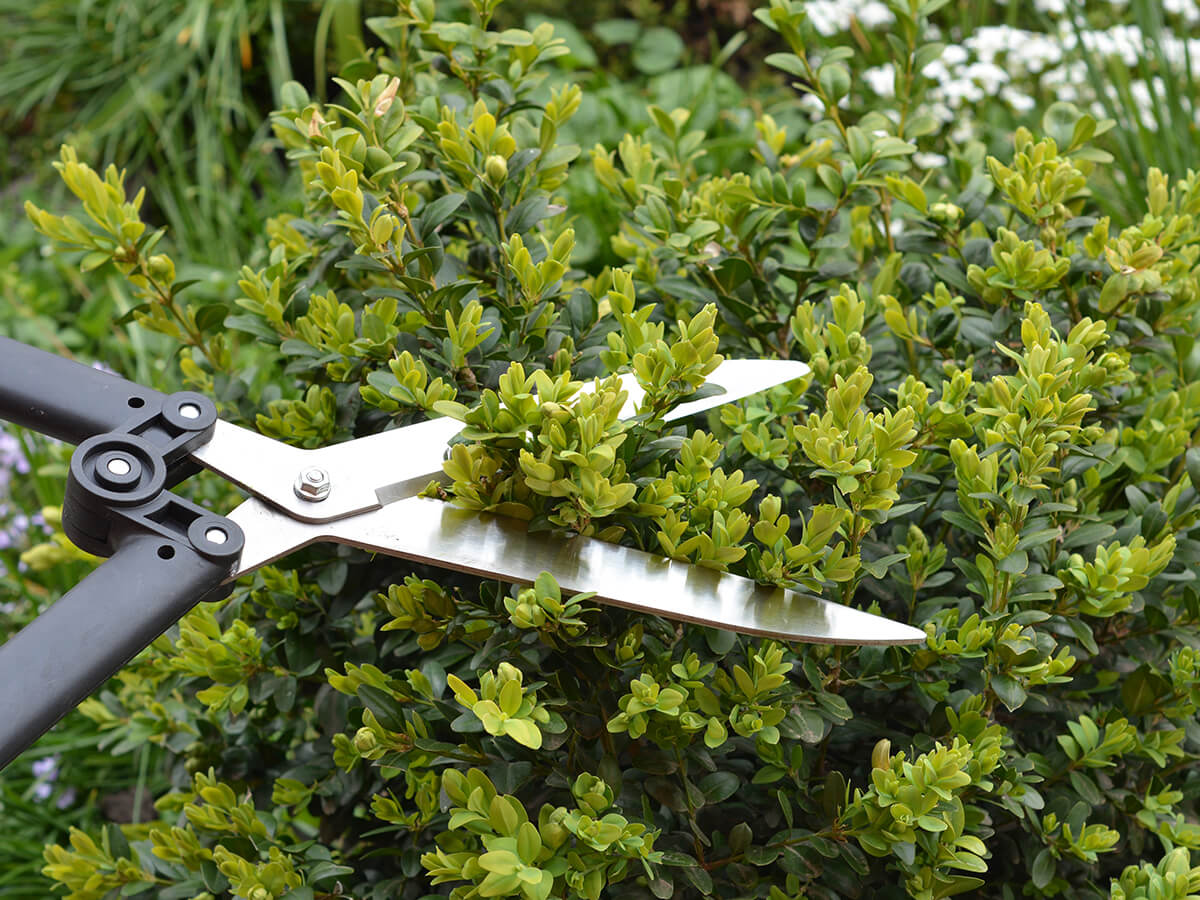
- Emerald Ash Borer and Borer Beetles: While famous for destroying ash trees, various boring beetles also target weak, stressed deciduous shrubs, chewing tunnels through the vascular inner bark and completely cutting off the flow of water and nutrients.
Protect Your Landscape Assets From Root to Canopy
Do not wait until your green boundaries turn completely brown and brittle to take action. Restoring a failing, diseased, or structurally compromised hedge requires professional diagnostic skills, specialized equipment, and targeted botanical treatments that go far beyond standard maintenance.
For a comprehensive health assessment and expert hedge trimming in Aurora, call Dave Lund Tree Service at (905) 884-0511. Secure your privacy, protect your property value, and give your living landscape the professional care it needs to thrive.