
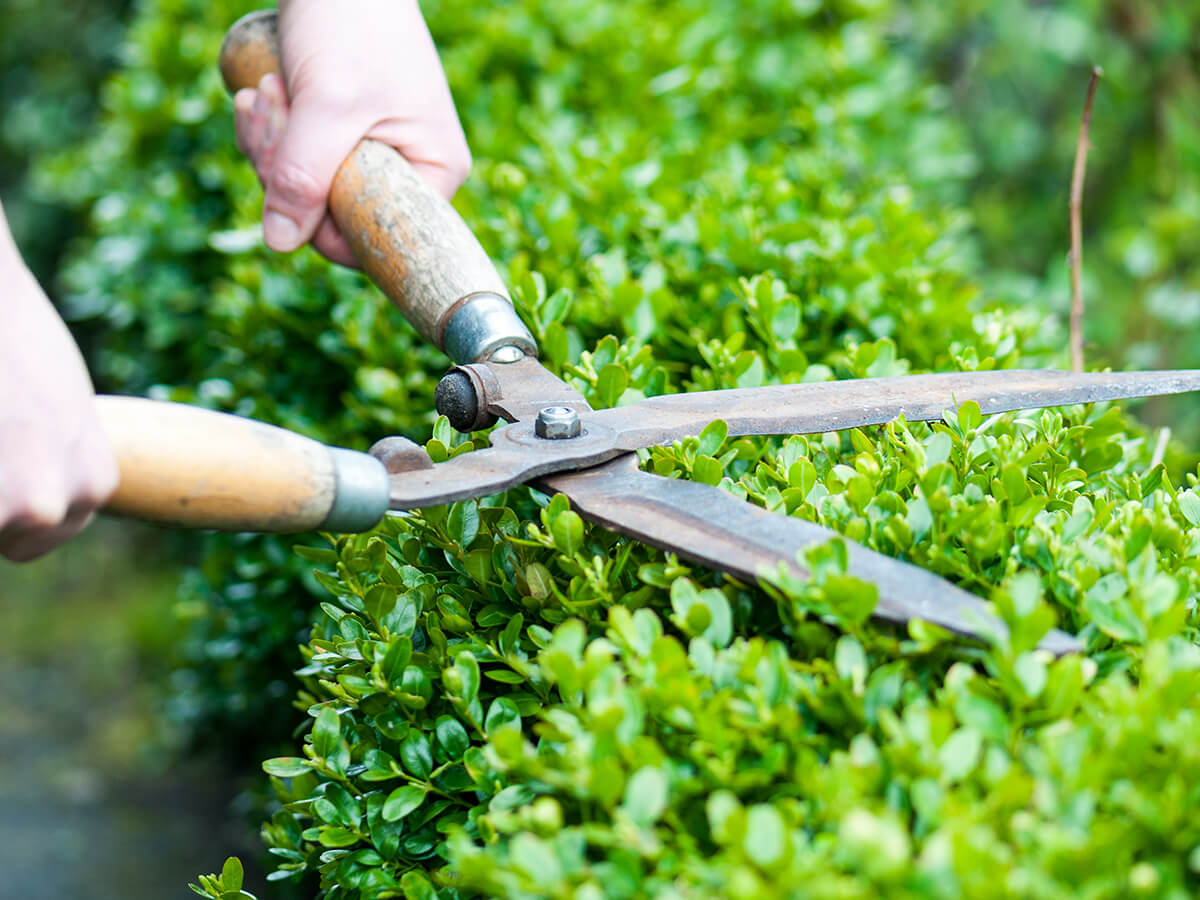
Quick Answer: For Canadian evergreens (like Cedar and Yew), stop trimming by late August. For deciduous hedges (like Privet and Beech), stop by mid-September. Trimming any later forces delicate new growth that will freeze, rot, and cause severe winter dieback. If you missed this window, leave the hedge alone until late winter dormancy or early spring.
Homeowners often look at their overgrown, shaggy privacy screens in late autumn and think a quick weekend cleanup is the perfect way to prep for winter. In reality, grabbing the shears at the wrong time of year is a biological death sentence for your greenery.
Executing late-season hedge trimming does not help the plant prepare for the cold; instead, it forces the plant to push out delicate new growth that will freeze and rot during the first harsh Canadian frost.
Understanding the exact biological cutoff dates is the only way to prevent permanent, unsightly bald spots and protect your valuable property boundaries from catastrophic winter kill.
How Does Late-Season Cutting Trigger Winter Kill?
Coniferous and deciduous plants require a gradual, uninterrupted transition period to enter dormancy before the ground freezes solid. Hacking away at the branches in late October or November completely disrupts this natural biological shutdown:
- The Starvation and Shock Response: Trimming acts as a chemical signal that tells the plant to grow. It aggressively burns its stored starch reserves to heal the open wounds and push out fresh, tender shoots.
- Severe Frost Burning: These young, sap-filled shoots completely lack the protective, woody bark needed to survive sub-zero temperatures. The first major freeze will instantly kill this new growth, leaving black, dead foliage that ruins your curb appeal.
- Vascular Bleeding: Cold, damp autumn air slows down the natural sealing process of cut branches. These open, unhealed wounds remain vulnerable to destructive fungal pathogens and winter moisture loss, draining the plant of vital hydration when it needs it most.
What Is the Scientific Formula for Pruning?
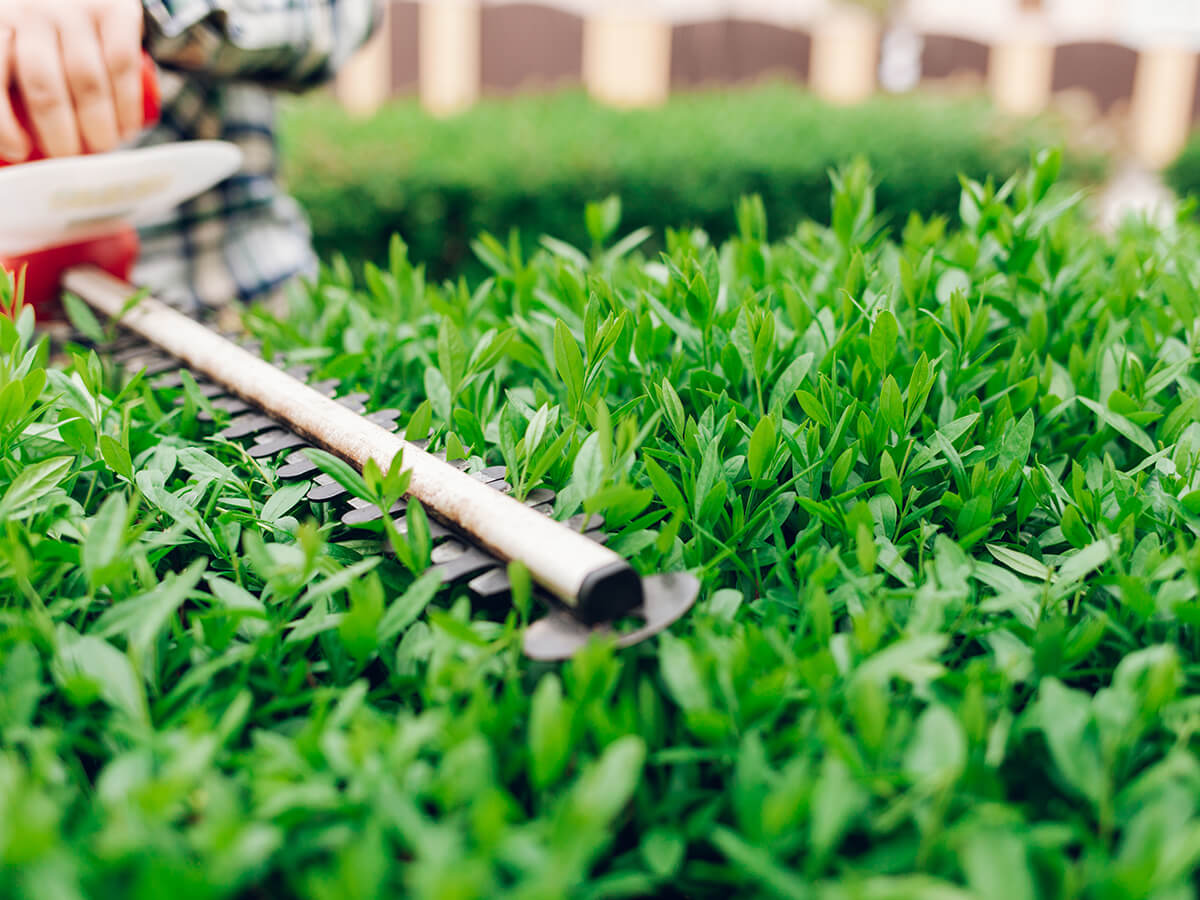
Maintaining a dense, healthy boundary that thrives for decades is not about maintaining a static height. It requires a slow, calculated expansion that respects local ecosystems and natural growth patterns.
Botanical research confirms that you must trim hedges to a slightly higher and wider point each year to prevent gaps and promote wildlife, and consider laying or coppicing every 40+ years for best results (White et al., 2022).
For local homeowners, this scientific approach provides three immediate benefits:
- No Interior Gaps: Allowing the plant to expand slightly with each trim prevents the interior from becoming a hollow, light-starved maze of dead, brown branches.
- Local Bird Habitats: Keeping the outer shell dense and wide provides a safe nesting site for native songbirds during the spring breeding season.
- Structural Thickness: Slow expansion encourages the development of thick, sturdy internal wood that can easily bear the weight of heavy, wet winter snow.
When Are the Absolute Cutoff Dates for Canadian Properties?
Canadian weather is notoriously unpredictable, but the internal biological clocks of local plants remain highly consistent. To ensure your cedar, yew, or privet borders survive the winter, you must adhere to these strict seasonal timelines:
- The Deciduous Cutoff (Mid-September): Species like Privet, Lilac, and Beech must not be trimmed past the middle of September. They require at least six to eight weeks of mild weather to fully harden off their final flush of growth before the first hard frost hits.
- The Coniferous Boundary (Late August): Popular local evergreen species, such as Eastern White Cedar or Yew, are highly sensitive to late-season cuts. Stop all trimming by the end of August. Evergreens retain their needles year-round and cannot afford to lose their protective outer canopy right before a freezing winter.
- The Spring and Summer Sweet Spots: The absolute safest window for major shaping is late spring, immediately after the first flush of active growth begins to slow down. A very light tidy-up can follow in mid-July, but anything later than August invites severe biological damage.
What Are the Hidden Dangers of Autumn Shrub Maintenance?
Attempting to correct overgrown, heavy branches in the middle of a freezing Canadian winter introduces massive safety and physical hazards that go far beyond basic plant health:
- Brittle Wood Splitting: Sub-zero temperatures make wood fibers incredibly brittle. Applying hand shears or motorized tools to frozen branches causes the wood to tear and split jaggedly rather than cutting cleanly, leaving permanent entry points for disease.
- Unstable Work Surfaces: Scaling tall ladders on frozen ground, icy lawns, or hidden patches of black ice is incredibly dangerous. A single slip while holding sharp, active cutting equipment can result in life-altering physical injuries.
- Hidden Electrical Risks: Snow and ice coat overhanging utility wires, making them difficult to see within dense, overgrown branches. Making a blind cut into an active power line presents an immediate, fatal electrocution hazard.
Relying on trusted tree services completely eliminates these safety risks. Professionals bring the specialized safety harnesses, insulated tools, and arborist training required to safely manage frozen perimeters while protecting your property.
Why Timing Matters for Local Plant Species?
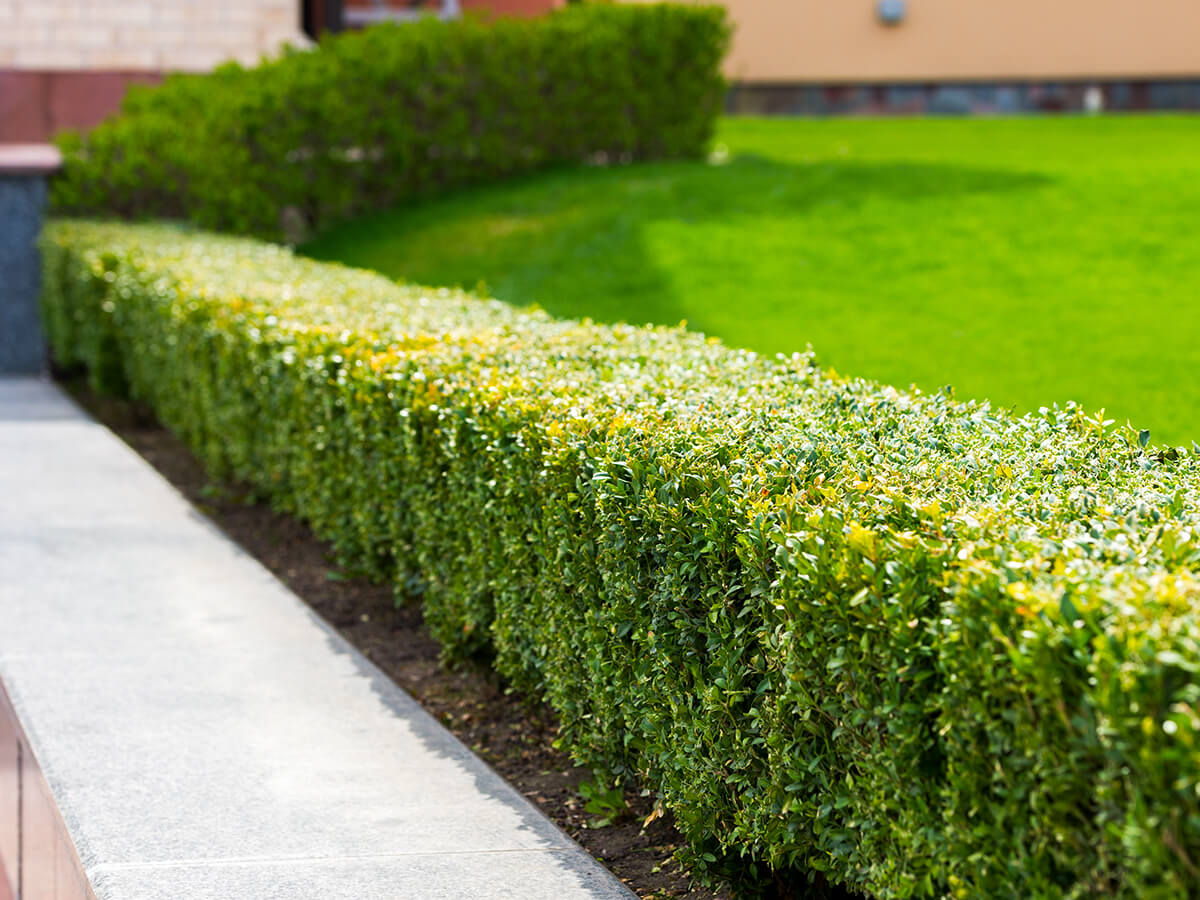
Different varieties react uniquely to late-season cuts. Local cedar rows common in Ontario landscapes react poorly to late trimming, as their foliage stores critical energy. Cutting too close to winter deprives them of this insulation. Deciduous shrubs, conversely, can handle late dormant pruning but will suffer if trimmed during active late-summer growth phases.
By establishing a clear, professional schedule, you protect your property boundary’s root system, ensure thick springtime leaf development, and prevent frost cracks from splitting vulnerable wood when temperatures plummet.
Save Your Living Borders Before the Cold Sets In
Do not risk destroying decades of beautiful growth with a poorly timed cut. Protecting your privacy screens requires precision timing, expert biological knowledge, and the proper commercial equipment to ensure your property remains safe, secure, and beautiful all year round.
For professional assessment and precision hedge trimming in Aurora, call Dave Lund Tree Service at (905) 884-0511. Secure your property borders and protect your landscaping investment today.