
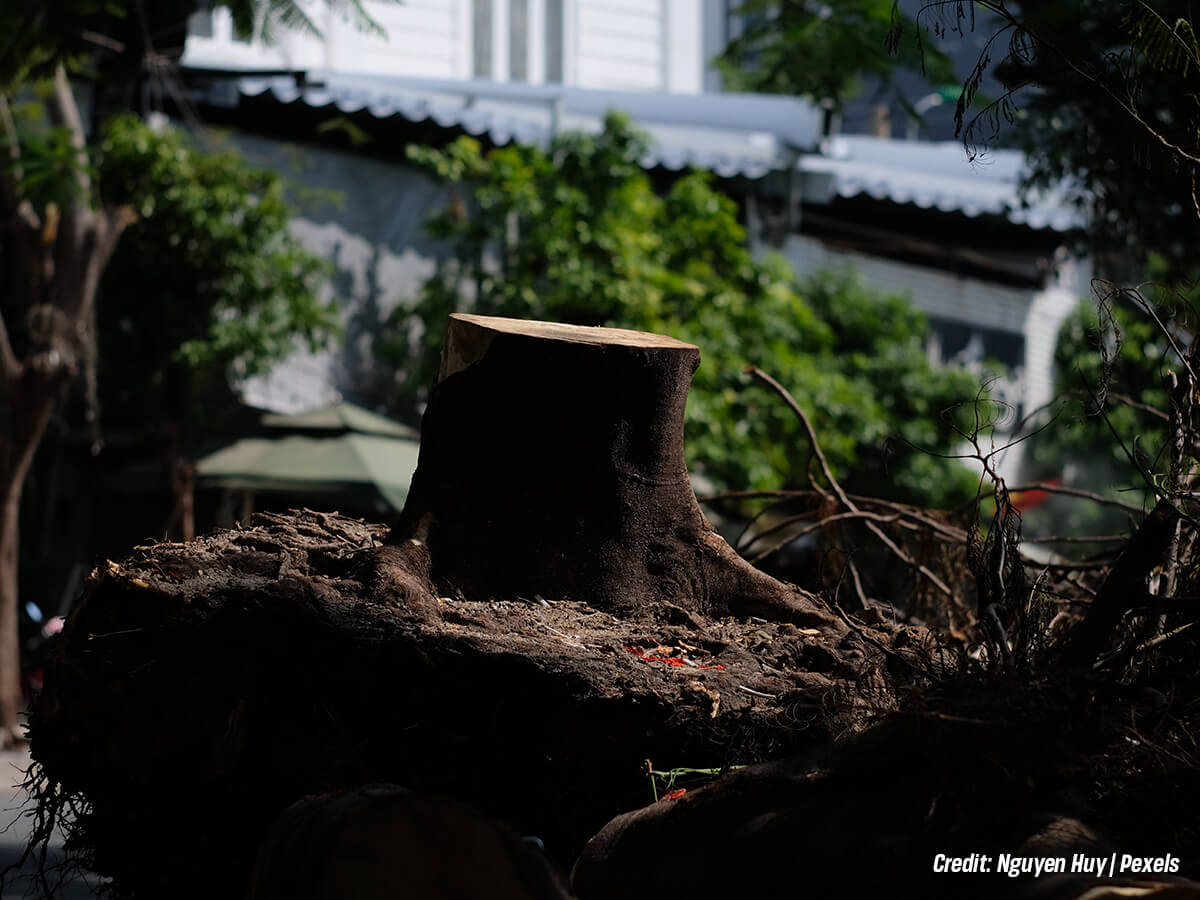
Removing a massive, dying tree leaves a glaring hole in your landscape. The moment the sawdust settles after a professional tree removal, a critical window opens. You cannot jam a new sapling into the same footprint and expect survival. The soil is depleted, root network is a tangled underground graveyard, and the microclimate has drastically shifted.
A blank slate demands a strategic replacement plan to restore shade, property value, and privacy. Rushing this process leads to dead saplings and wasted money. Here is exactly how to sequence your next planting to guarantee your new tree actually thrives in the harsh Canadian climate.
1. The One-Year Waiting Game
Sticking a young sapling directly into the exact spot where an old tree just came down is a guaranteed death sentence. The ground beneath the old stump is a biological warzone. Fungi and bacteria work overtime to break down the massive network of dead roots left behind.
This intense decomposition process strips almost all available nitrogen out of the surrounding soil. Nitrogen is the exact fuel young plants need to push out new green leaves. Your new sapling will literally starve to death.
Physical Roadblocks Stunting Growth
The old root system creates a formidable physical barrier. You will hit massive, woody roadblocks just a few centimetres below the dirt. This forces you to dig a shallow, inadequate hole. A shallow hole stunts the new root ball immediately. The roots cannot spread out to anchor the heavy top canopy. The smartest move is shifting the new planting site at least a metre away from the original stump.
The Mandatory Waiting Period
You must wait a full calendar year. Let the old roots rot away naturally. Let the nitrogen levels stabilize in the dirt. Rushing the planting process guarantees you will dig up a completely dead, withered sapling next spring.
2. Decoding Your New Lawn’s Microclimate
Taking out a mature maple completely alters the environmental reality of your front lawn. Areas that spent decades in deep shade are suddenly blasted by intense, direct sunlight. Soil that stayed consistently moist will now bake and dry out rapidly during an Ontario summer drought.
Mapping the New Environment
You cannot buy a shade-loving ornamental shrub and expect it to handle ten hours of direct, blazing sun. You have to map the new sunlight patterns over a few days before making any purchasing decisions. Track where the shadows fall at noon.
Loss of Natural Windbreaks
Pay close attention to the wind patterns. That old tree acted as a massive windbreak. It protected your house from harsh winter gusts. Now, those freezing winter winds hit your property full force. Understanding these new environmental dynamics dictates exactly what species of tree you should buy.
3. Selecting the Right Species for the Space
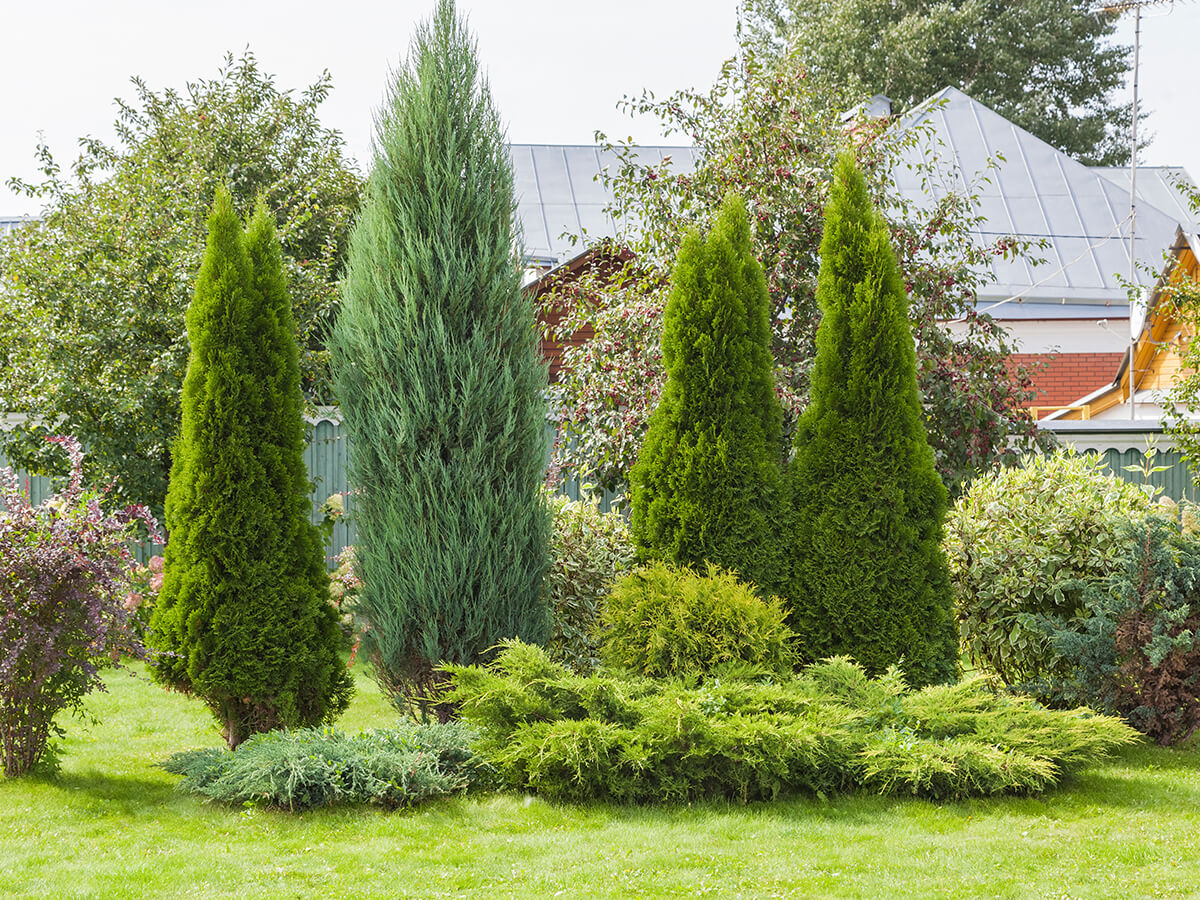
Choosing the right tree means balancing visual appeal with cold, hard science. You want vibrant fall colours. You also need something that can handle a brutal February freeze. Native Canadian species are always your safest bet. They evolved specifically to handle the extreme temperature swings and local soil conditions.
The Scientific Advantage of Evergreens
If you want year-round privacy and serious environmental benefits, strongly consider planting coniferous trees. Evergreen trees are more efficient in removing atmospheric PM2.5 and are recommended for urban greening, as they alleviate seasonal variation and uneven green distribution (Zhang et al., 2021). They keep their needles all winter long, act as a permanent, living filter against urban air pollution, and provide a constant shield against harsh winds blowing off the street.
Managing Mature Canopy Expectations
Deciduous trees are perfect for cooling your house in the summer while letting the winter sun warm your windows. You must check the mature canopy size before putting a shovel in the ground. A cute little oak sapling looks harmless sitting in a black nursery pot. It will eventually demand 15 metres of aerial space. Never plant a massive species directly under municipal power lines.
4. Fixing the Soil and Handling the Old Stump
Leaving an old stump to rot on your lawn is an ugly eyesore. It is a massive tripping hazard and invites destructive carpenter ants right next to your home’s foundation. If you plan on replanting anywhere near the old site, professional stump grinding is absolutely mandatory. The commercial machine grinds the solid wood down into a massive pile of sawdust. This destroys the immediate root crown.
Replacing Acidic Debris with Nutrients
That resulting sawdust pile is highly acidic. It is completely useless for growing a new tree. You have to physically remove the majority of the grinding debris from the hole. Do not mix it around with the dirt and call it a day. Dig the sawdust out entirely. Replace it with high-quality, nutrient-rich topsoil mixed with organic compost. This gives your new sapling an immediate injection of vital nutrients.
Breaking Up Compacted Urban Clay
The soil in your lawn is likely heavily compacted clay. You need to break it up manually. A new, fragile root system simply cannot push through concrete-hard clay. Aerating the immediate planting area is essential. Mixing in organic matter creates a loose, welcoming environment. Young roots can stretch out easily to stabilize the heavy trunk.
5. Mastering Distance and Placement Rules
Planting a tree is a permanent, decades-long decision. Shifting it several metres to the left next year is not an option. You must respect the mature dimensions of the species you select. A tree growing to a width of 12 metres needs to be planted at least 6 metres away from your house. Keep it far away from property lines.
Avoiding Costly Pruning Mistakes
Ignoring these vital spacing rules guarantees massive future problems. You will pay an arborist in Newmarket to come back and aggressively hack away thick branches. Plan the spacing perfectly right now.
Protecting Underground Infrastructure
You must think about what happens deep underground. Tree roots are relentlessly aggressive when searching for water sources. They wrap around foundational walls, crush old weeping tiles under the immense pressure, and completely infiltrate aging sewage pipes.
Keep large species far away from your underground utilities. You must call your local utility locators before you dig a single inch. Hitting a buried gas line or a high-voltage electrical cable while digging a hole is a catastrophic, potentially fatal mistake.
6. The Art of the Initial Planting
The exact way you put the tree into the ground dictates its health for the next 50 years. Follow these strict rules to guarantee a successful transplant process:
- Width Over Depth: The hole should be exactly the same depth as the root ball. Make the hole two to three times as wide. Roots grow horizontally through the topsoil to gather essential oxygen.
- Expose the Root Flare: This is the critical spot where the main trunk dramatically flares out into the roots. This flare must be visible right at the soil surface. Burying it causes the bark to rot rapidly.
- Remove Artificial Bindings: Cut away all wire baskets. Slice away synthetic burlap sacks. Remove tight plastic tying cords from the trunk. These materials will choke the tree as it expands.
- Use Native Soil: Backfill the hole exclusively with the dirt you just dug out. Do not use heavily amended potting mixes. You want the roots to adapt fast to the native conditions.
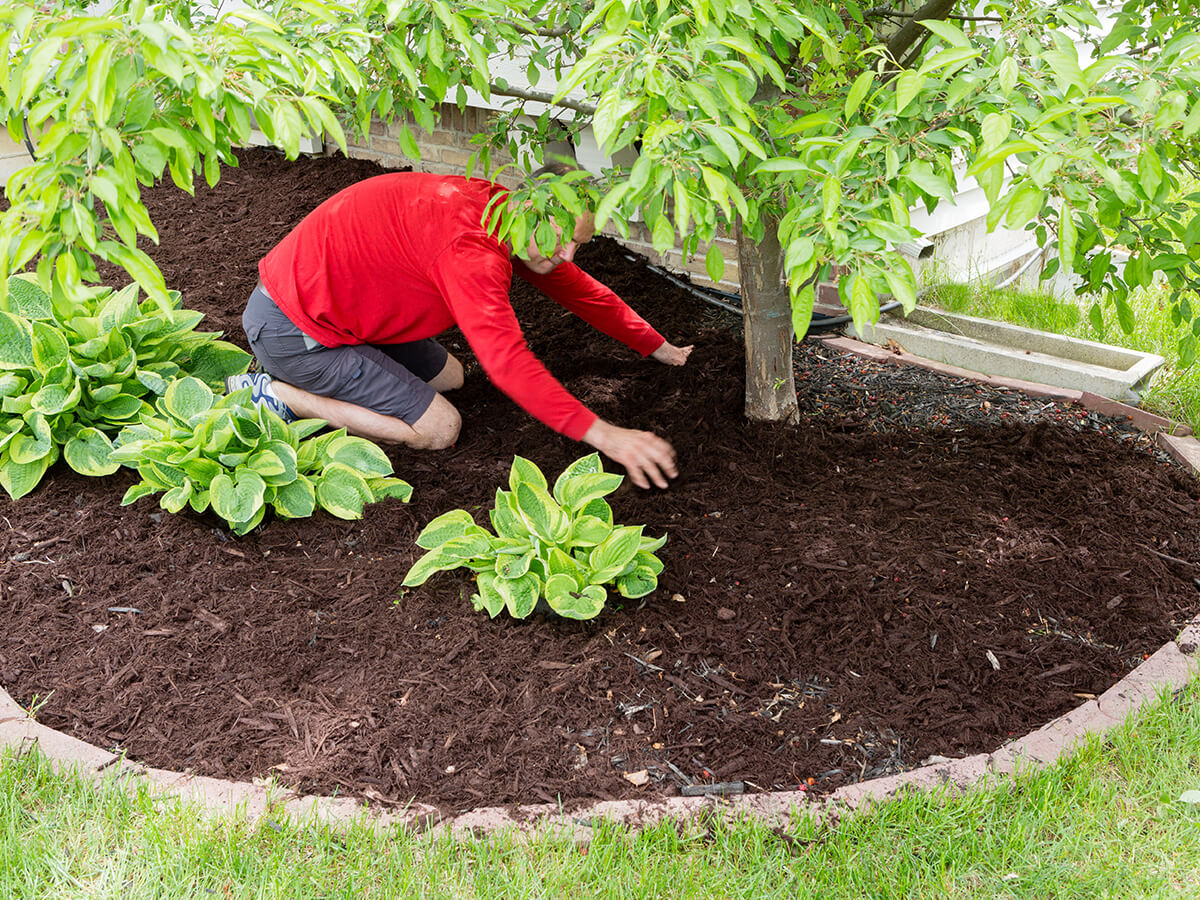
- Mulch Correctly: Apply a thick eight-centimetre layer of hardwood mulch around the base to lock in moisture. Form a “donut” shape. The mulch must never touch the actual bark of the trunk.
7. Establishing a Ruthless Watering Schedule
A newly planted tree goes into immediate, severe transplant shock. Ripped out of a highly controlled nursery environment, the sapling is shoved into the back of a bouncing truck and dropped into an unfamiliar, harsh lawn. A severely compromised root system struggles to pull moisture from the surrounding soil effectively. The tree is literally fighting for its life.
Ditching the Garden Hose Method
You have to do the heavy lifting for the first 2 full years. Relying on natural Canadian rainfall is a terrible strategy. Fast, intense summer droughts will kill a young sapling in a matter of weeks. Surface watering encourages weak, shallow root growth. The tree needs deep, slow, intentional watering.
Building Drought-Tolerant Root Systems
The water must penetrate deep into the lower root zone. This encourages the roots to grow aggressively downward. Use a professional soaker hose. Set a regular hose on a slow, steady trickle right at the base of the tree for an hour.
Do this twice a week during the hot summer months. Stick your finger 5 centimetres into the dirt beneath the mulch layer. If it feels dry, water again. Consistency during the first 24 months builds a highly resilient, deeply rooted, drought-tolerant adult tree.
Ready to Transform Your Landscape
Replacing a massive tree is a significant, long-term investment in your property’s overall future. It dictates your curb appeal for decades. Do not leave the success of your new landscape to chance or uneducated guesswork.
Get the heavy lifting done safely and correctly. Prep your lawn properly for a fresh start. For fast, reliable tree removal in Bradford and the surrounding regions, call Dave Lund Tree Service at (905) 884-0511. Clear the way for healthy, beautiful new growth today.