
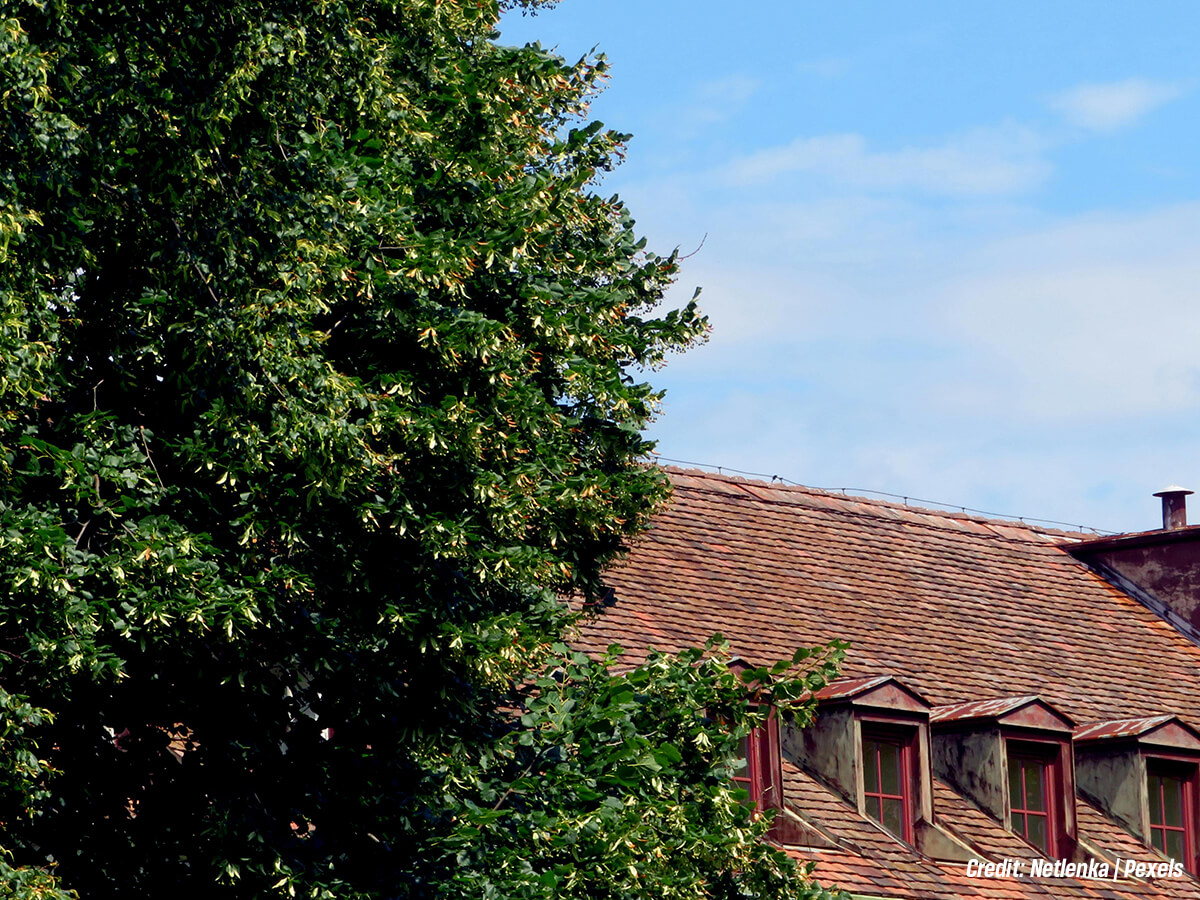
A massive, unmanaged canopy hovering over your roof is not a charming landscape feature; it is a ticking financial liability. One severe winter ice storm or a heavy summer gale can turn a weak, overgrown branch into a devastating, destructive projectile.
Ignoring structural flaws in your mature maples or oaks guarantees expensive structural damage to your home and surrounding property. Securing your entire lawn requires immediate, professional tree pruning before the next major weather event hits.
The Direct Assault on Your Home’s Exterior
Overhanging branches wage a constant, quiet war against your exterior infrastructure.
Eavestrough and Drainage Failures
Leaves, needles, and small twigs constantly shed from an overgrown canopy directly into your eavestroughs. This debris quickly creates concrete-like dams. Water backs up, spills over the fascia boards, and seeps directly into your attic or foundation. Fixing water-damaged drywall costs thousands of dollars.
Roof Shingle Destruction
Branches that physically rub against your roof act like coarse sandpaper. They consistently strip the protective granules off your asphalt shingles. A branch swinging just a few centimetres above the roofline can carve deep gouges into the underlying membrane, leading to massive interior leaks during the next heavy rainfall.
Siding and Paint Degradation
Thick canopies trap moisture against the side of your house. Deprived of sunlight and proper airflow, your siding becomes a breeding ground for destructive algae and mould. This dampness accelerates wood rot and destroys expensive exterior paint jobs.
Legal Liabilities and the Cost of Negligence
Your financial risk extends far beyond your own physical house.
The Burden of Proof
Insurance companies investigate property damage claims thoroughly. If investigators determine a tree fell because of long-term neglect or obvious structural weakness, they can legally deny your liability coverage.
You will be paying completely out of pocket for the destruction. Regular assessments by a certified professional will establish a clear record of responsible maintenance, shielding you from crippling negligence claims.
Municipal Power Line Hazards
Allowing foliage to grow into municipal power lines is incredibly dangerous and financially risky. If a neglected maple causes a localized blackout, the city holds you entirely accountable. You might be forced to pay emergency utility crews to clear the hazard. Having an arborist in Newmarket handle routine canopy reductions keeps you well within municipal safety clearances and completely avoids these massive civic fines.
Recognizing the Silent Spread of Disease and Pests
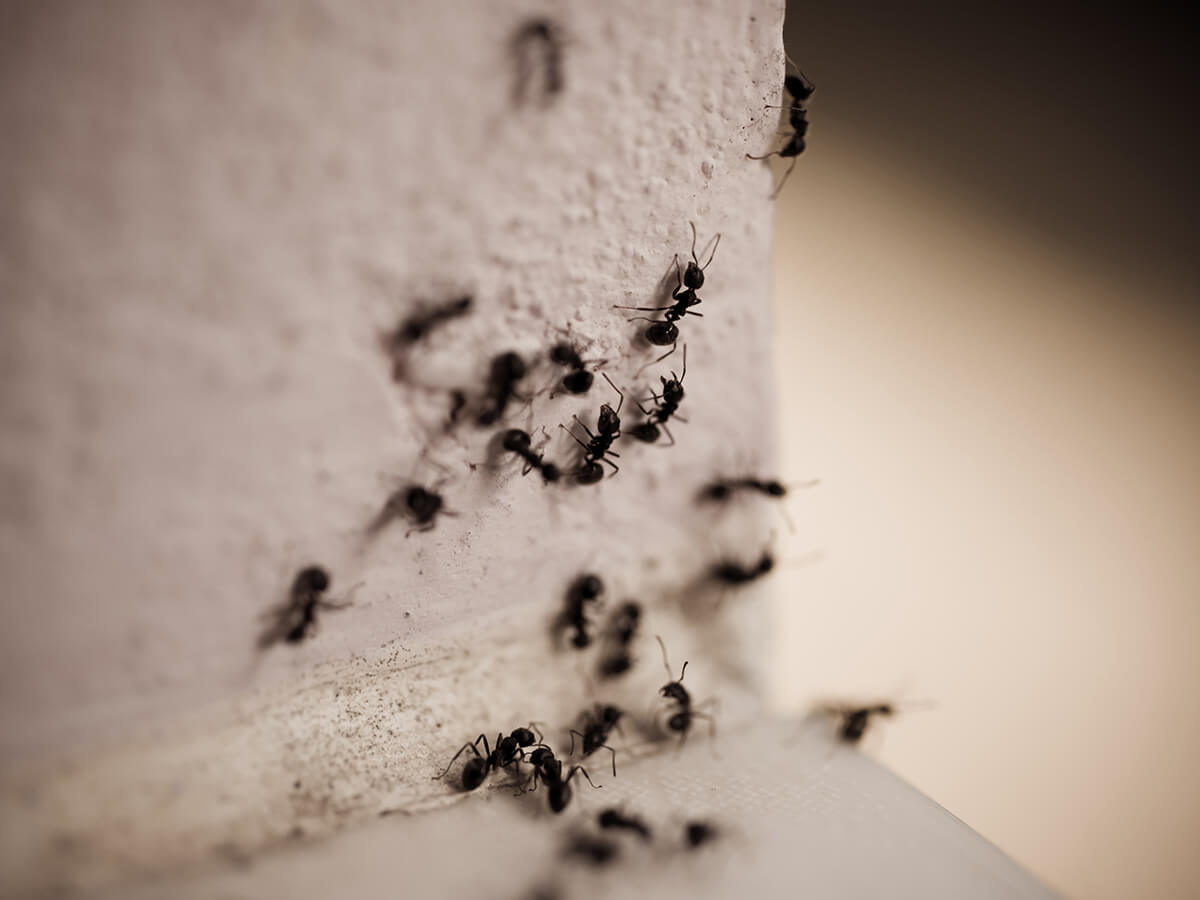
An overgrown, tangled canopy creates a micro-environment that actively fosters disease.
The Danger of Deadwood
When a canopy becomes too thick, the inner branches are completely starved of sunlight. They die off, leaving large sections of rotting wood suspended high in the air. This deadwood attracts carpenter ants and wood-boring beetles. These pests multiply rapidly and migrate directly to your home’s wooden framing.
Fungal Infections and Airflow
Foliage requires strong, consistent airflow to dry out rapidly after a heavy rain. A densely packed crown traps high levels of humidity. This permanent dampness allows fungal pathogens to thrive and spread aggressively across the bark.
Creating a Defensive Perimeter
Removing dead, dying, or rubbing branches opens up the interior structure. This massive increase in airflow and sunlight exposure naturally kills off fungal spores and eliminates the exact damp, rotting conditions that pests require to survive.
The Science of Ecosystem Health and Carbon Impact
Canopy management is deeply rooted in biological science and environmental efficiency.
Optimizing Environmental Performance
Strategic maintenance yields significantly better long-term results for the local environment. Frequent and less intense urban tree pruning can optimize ecosystem services performance and minimize branch dieback occurrence, with open dump waste wood disposal being the least CO2 eq emission option (Desirée et al., 2024). This scientific approach ensures the plant continues to effectively filter airborne pollutants and sequester carbon without suffering massive biological stress.
Preventing Shock and Dieback
Taking off massive amounts of foliage all at once severely starves the root system. The plant loses its ability to photosynthesize effectively. This leads to severe dieback, where entire sections of the crown simply wither and die. Frequent minor reductions allow rapid healing and direct biological energy toward building a resilient, structurally sound trunk.
Protecting Your Underground Infrastructure
The chaos happening above ground is directly mirrored below the soil.
Sewer and Water Line Infiltration
Roots are relentlessly seeking moisture and vital nutrients deep underground. They easily detect the condensation running along the outside of your buried sewage and water pipes. Hairline cracks in aging pipes offer the perfect entry point. The roots will force their way inside, expanding rapidly until the pipe is completely shattered. Replacing a crushed sewer line is a financially devastating nightmare.
Foundation Cracking
As a massive plant grows, the roots expand radially with incredible force. They lift concrete walkways, shatter asphalt driveways, and put immense lateral pressure against your basement foundation walls. Managing the size of the top canopy helps regulate the aggressive expansion of the underground root system, protecting your concrete assets from slow, crushing destruction.
Winter Weather Vulnerability in Canada
The Canadian climate is brutally unforgiving on neglected, overgrown foliage.
The Ice Storm Threat
When freezing rain coats a massive, overgrown canopy, the added weight is astronomical. A single branch suddenly weighs hundreds of kilograms. V-shaped crotches (where two branches meet at a sharp, narrow angle) are incredibly weak points. Under the immense weight of winter ice, these joints can split wide open, tearing the trunk apart and sending massive sections of timber crashing to the frozen ground.
Wind Sail Effect
A thick crown acts like a solid sail during high winter winds. Instead of passing harmlessly through the branches, the wind force hits the canopy directly. This massive leverage transfers straight down to the root plate, dramatically increasing the risk of the entire structure uprooting and falling over during a severe blizzard.
Enhancing Property Value Through Strategic Thinning
Overgrown, messy foliage dragging across your property drastically lowers curb appeal.
Maximizing Natural Light
A dense canopy blocks out almost all natural sunlight from reaching the ground. This kills your grass, leaving you with a patchy, muddy lawn. It also darkens the interior of your home. Proper canopy thinning allows dappled sunlight to reach the ground, instantly reviving your turf and brightening your living spaces.
Creating Clear Sightlines
Lifting the lower branches and thinning the interior creates clear, beautiful sightlines across your property. It showcases your home’s architecture rather than hiding it behind a tangled wall of leaves. A well-maintained landscape signals to neighbours and potential buyers that the property is cared for, instantly boosting its perceived market value and overall aesthetic appeal.
Implementing a Proactive Maintenance Schedule
Timing is absolutely critical when it comes to effective canopy management.
The Dormant Season Advantage
The absolute best time for major structural changes is during the cold, dormant winter months. Between late November and early March, the sap has stopped flowing and the leaves have dropped.
This gives a clear, unobstructed view of the branch architecture. Cuts made during this freezing period heal much faster in the spring, and you completely avoid attracting sap-feeding insects to the fresh wounds.
Summer Thinning for Airflow
Minor reductions and structural thinning can be executed safely during the mid-summer. Removing excess leafy growth in July or August reduces the heavy weight on the ends of long, overextended branches. This targeted approach prevents summer storm damage and opens up the interior to much-needed sunlight, boosting the overall biological efficiency of the remaining leaves.
Identifying Immediate Danger Zones on Your Property
You must recognize what visual warning signs require immediate, professional intervention.
Spotting Hazardous Co-Dominant Stems
Look closely at the main trunk structure. If it splits into two equally large trunks that look like a giant ‘V’, you have a co-dominant stem. This is a massive structural flaw. As both stems grow thicker, they push against each other, creating a wedge that slowly splits the wood completely in half. These require urgent cabling or professional reduction.
Recognizing Dangerous Leans
A trunk that slowly develops a severe, unnatural lean is an immediate red flag. Check the soil at the base carefully. If the dirt is lifting or cracking on the opposite side of the lean, the root plate is actively failing. The structure is losing its grip and could uproot entirely during the next major windstorm. Immediate reduction is required to remove the heavy top weight.
Preventing Costly Wildlife Intrusions

Overhanging branches provide a direct highway for destructive animals.
Bridges to Your Attic
Squirrels and raccoons use unpruned branches to bypass your exterior walls. They jump directly onto your roof and chew through your roof vents or wooden soffits. Keeping branches trimmed several metres away from the roofline completely cuts off this access route. Inside the attic, these animals destroy insulation and chew through electrical wires.
Secure Your Property With Precision Canopy Care Today
Stop letting dangerous overgrowth threaten your home, your family, and your long-term financial stability. Proactive canopy management is the absolute ultimate defence against unpredictable Canadian weather and hidden structural liabilities.
Do not wait for a massive storm to reveal the weaknesses in your lawn. For expert tree pruning in Newmarket, call Dave Lund Tree Service at (905) 884-0511. Protect your residential investment immediately before it is too late.