

A flourishing canopy and robust trunk are the hallmarks of a healthy tree. Yet, beneath the surface, a complex network of roots works tirelessly to ensure the tree gets all the nutrients and water it needs to survive. Proper hydration is paramount to a tree’s vigour, its ability to withstand pests and diseases, and its overall longevity. Understanding how to provide this essential element through the changing seasons is a fundamental aspect of responsible tree stewardship.
The art of watering trees is not a one-size-fits-all approach. It is a practice informed by the tree’s age, its species, the soil it calls home, and the ever-shifting demands of the seasons. By attuning ourselves to these factors, we can provide the right amount of water at the right time, fostering a deep and resilient root system that will support the tree for decades to come.
1. Understanding Your Tree’s Thirst
Before you turn on the tap, it is crucial to assess your tree’s specific needs; an understanding of the hows and whys of watering is a crucial step to helping your tree thrive. A newly planted sapling and a mature, established tree have vastly different requirements which need to be taken into account to ensure the tree gets the adequate amount of water.
The Formative Years:
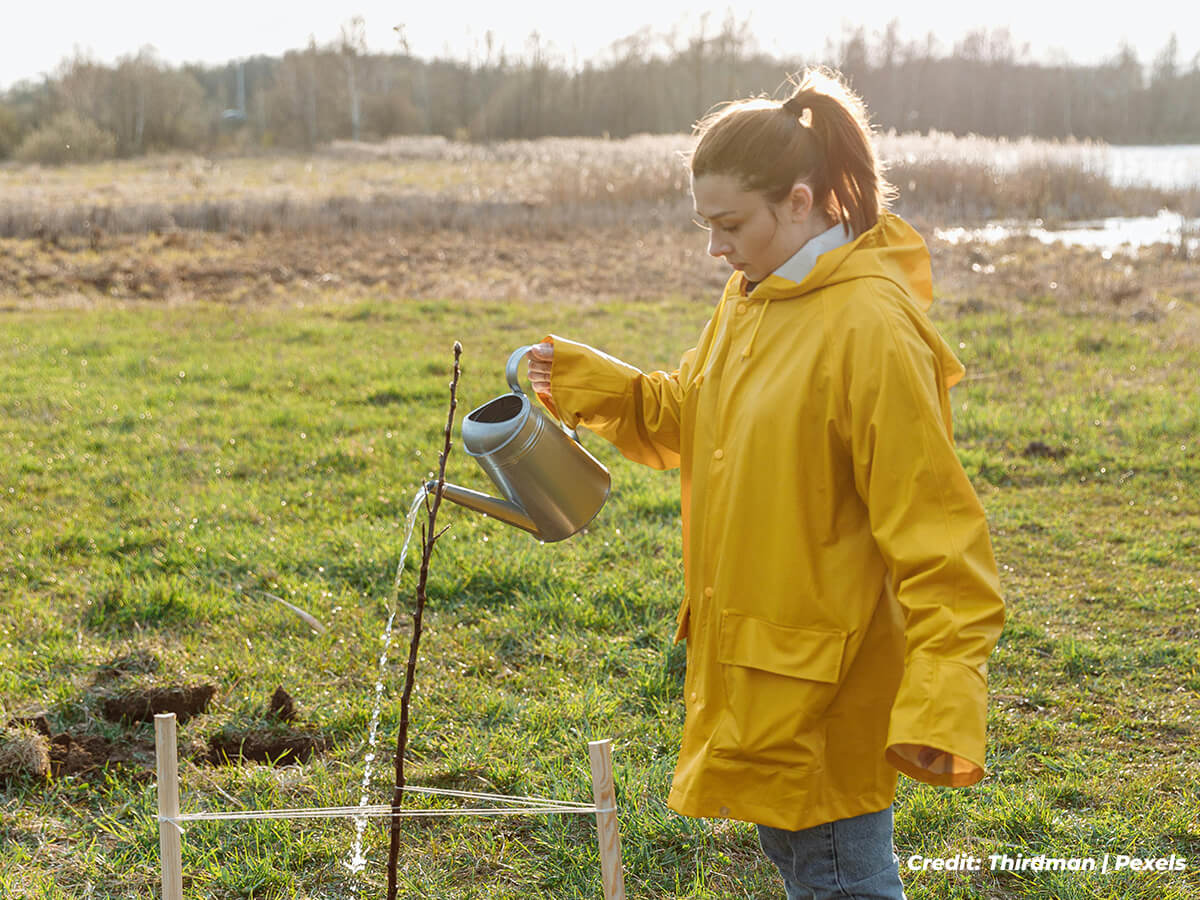
Young trees, in their first few years after planting, are diligently working to establish their root systems. Their roots are still largely confined to the original root ball and the immediate surrounding soil, and this status makes them particularly vulnerable to drying out. Consistent and regular watering is vital during this period to encourage roots to venture deeper and wider into the soil.
The Wisdom of Age:
Mature trees, with their extensive and well-established root systems, are more self-sufficient, capable of drawing water from a much larger volume of soil. However, during prolonged periods of drought or in exceptionally hot weather, even these giants can benefit from supplemental watering.
Species-Specific Needs:
Different tree species have evolved in various climates and, consequently, have different water requirements. Some, like willows and birches, are naturally more thirsty, while others, such as many native pine and spruce species, are more drought-tolerant. A little research into your tree’s specific variety will provide valuable insight into its hydration preferences.
Reading the Soil:
Another element with a role to play is the soil in which your tree is planted. Sandy soils drain more rapidly and, as such, may require frequent watering compared to heavy clay soils, which retain moisture for longer. A simple test is to dig a small hole about 15 to 20 centimetres deep near the tree’s drip line (the area directly under the outer circumference of the branches). If the soil feels dry to the touch, it is time to water.
2. The Art of Deep Watering
The most effective way to water a tree is not with a quick, superficial sprinkle but with a long, slow soaking. This technique, known as deep watering, ensures that the moisture penetrates deep into the soil, encouraging the roots to grow downwards, where they are better protected from surface evaporation and temperature extremes.
Slow and Steady:
A soaker hose, laid in a spiral around the tree’s drip line, is an excellent tool for deep watering. Set it to a low flow and leave it for several hours. Alternatively, a regular garden hose set to a slow trickle and moved periodically around the tree’s base will also suffice.
The Bucket Method:
For newly planted trees, a simple and effective method involves drilling a few small holes in the bottom of a large bucket (approximately 20 litres). Place the bucket near the tree’s trunk and fill it with water. The water will seep out slowly, providing a deep and targeted soaking directly to the root ball.
3. A Seasonal Guide to Tree Hydration
Each season in Canada presents unique challenges and opportunities for tree care; figuring out seasonal pruning, to name one example, is just one task among many to ensure your tree’s health. Adjusting your watering practices as the seasons change is key to year-round tree health.
Spring Awakening:
As trees emerge from dormancy in the spring, they enter a period of active growth, putting out new leaves and shoots. This is a time of high water demand; as such, consistent moisture in the soil will support this vigorous growth. Spring rains are often sufficient, but be prepared to provide supplemental water during dry spells.
Summer’s Heat:
The long, hot days of summer can place significant stress on trees. Evaporation rates are high, and the demand for water is at its peak. This is the most critical time for deep watering. For established trees, a thorough soaking every couple of weeks during dry periods is a good rule of thumb. Young trees will likely require more frequent attention.
Autumn Preparation:
As the days shorten and cool, trees begin to prepare for winter. While their growth slows, it does not stop entirely. It is important to continue watering your trees throughout the autumn, especially if rainfall is scarce. A final, deep watering before the ground freezes will ensure the tree is well-hydrated heading into the winter months. This is particularly important for evergreen trees, which continue to lose moisture through their needles all winter long.
Winter’s Slumber:
While trees are dormant in the winter, they are not entirely inactive. They can still lose moisture, especially on sunny and windy days. In many parts of Canada, snow cover provides a natural source of insulation and moisture. However, during dry, open winters, it may be necessary to water your trees, particularly young ones and evergreens. Choose a mild day when the ground is not frozen, and water slowly to allow the moisture to be absorbed.
4. The Power of Mulch
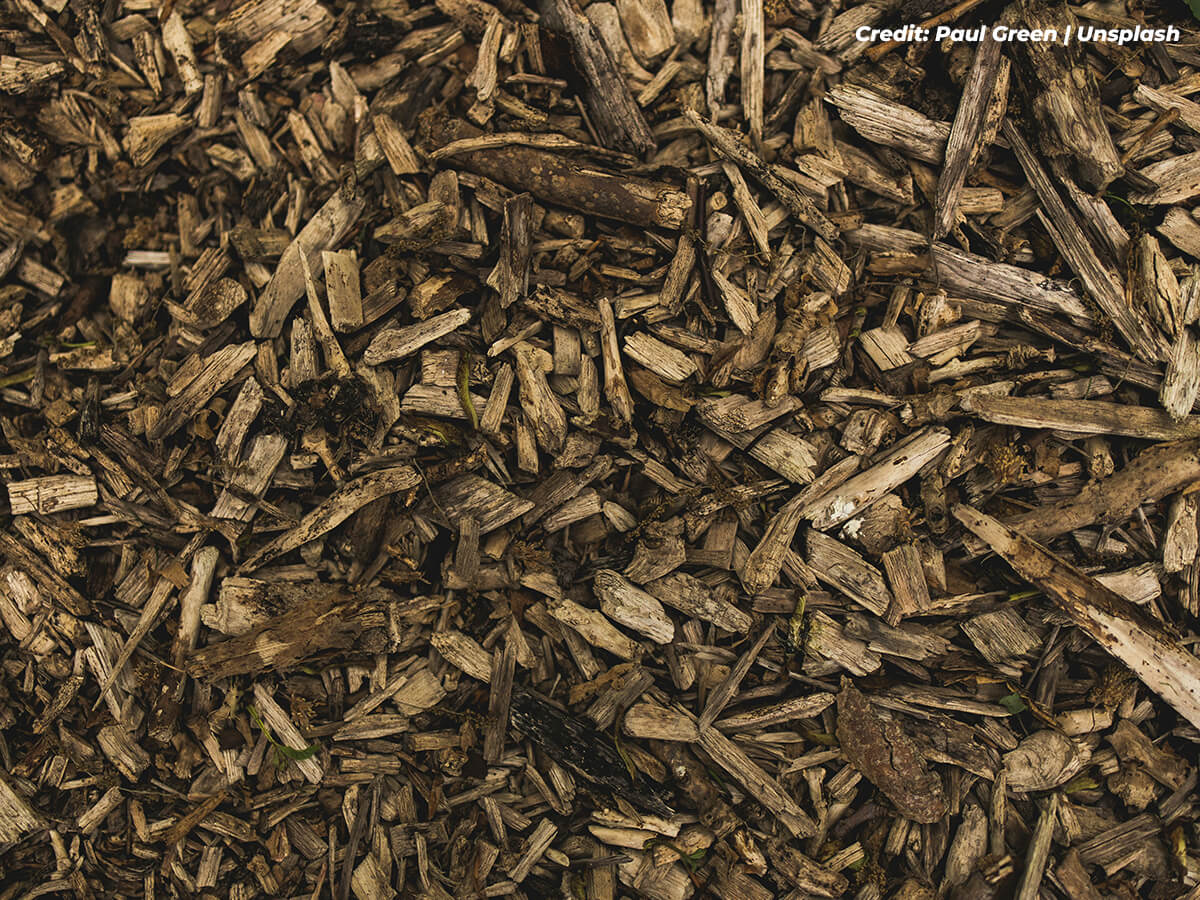
One of the most beneficial practices for maintaining soil moisture is the application of a layer of organic mulch.
A Protective Blanket:
A layer of organic mulch (such as compost, wood chips, or shredded bark) about 5 to 10 centimetres deep, spread around the base of your tree, acts like a sponge. It helps to retain moisture in the soil by reducing evaporation, and it moderates soil temperature, keeping it cooler in the summer and warmer in the winter.
Mulch Etiquette:
When applying mulch, be sure to keep it a few centimetres away from the tree’s trunk to prevent moisture from accumulating against the bark, which can lead to decay. The example of many trees in Moncton, New Brunswick (where this particular mulching mistake made the rounds online) is one to avoid. The mulch should extend out to the tree’s drip line or as far as is practical.
By embracing these watering tips, you can go the extra mile when it comes to giving your trees the water they need to survive. A little attention to their hydration needs all year long goes a long way toward maintaining the enduring beauty and countless benefits these magnificent plants bring to your home.
When you need a professional arborist to help you care for your trees, Dave Lund Tree Service is here to help. We provide a wide range of tree care services, all intended to give your trees the TLC they need to flourish. When you need your trees pruned, cabled, or made pest-free, we’re more than happy to lend a hand. Call us now at (905) 880-1828 and give your trees the care they deserve.