
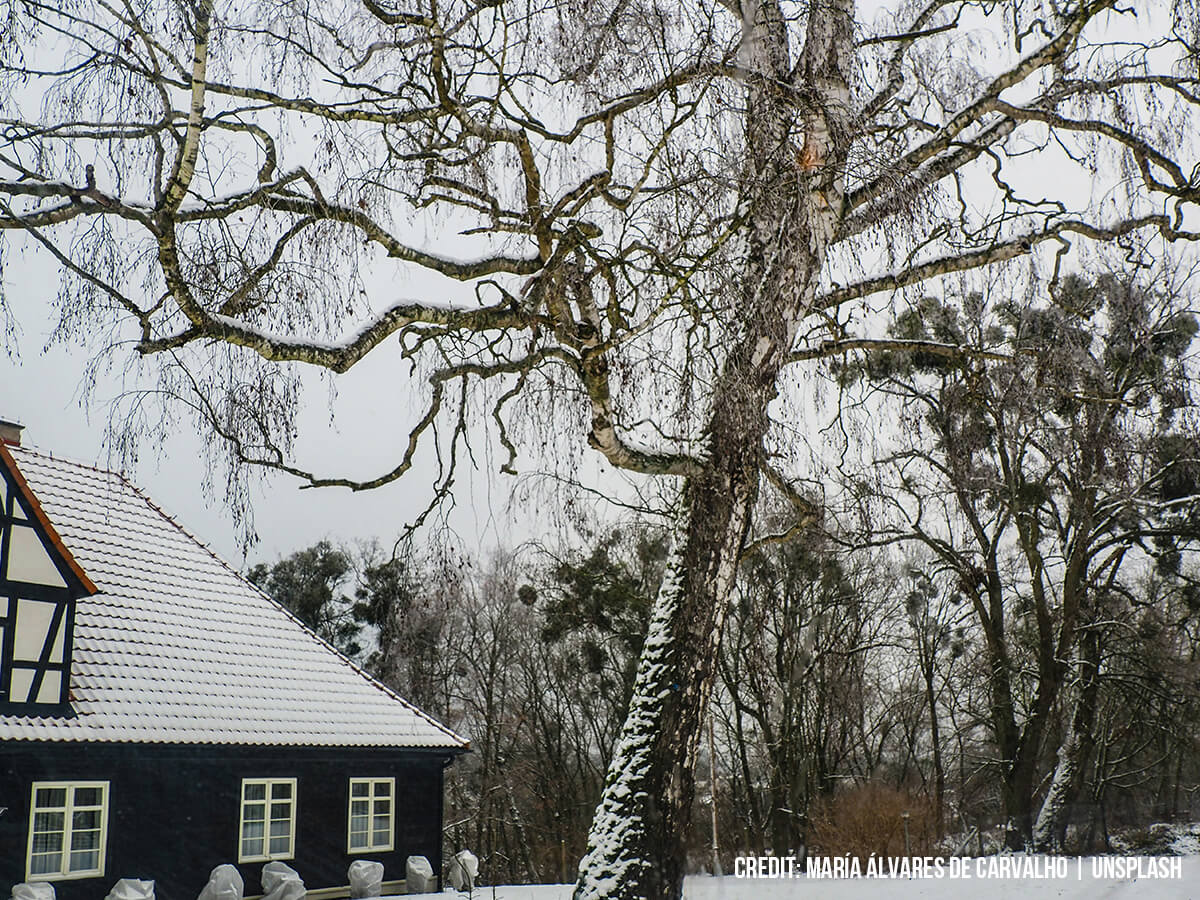
Like any other season, winter comes with its fair share of chores to keep you busy around the house: clearing driveways, getting your last-minute tree care tasks done, and managing the ice coating the walkway. And in the name of keeping the walkways safely walkable, rock salt (sodium chloride) is very often the ubiquitous tool for clearing ice and snow, and maximizing traction. It is an effective, inexpensive, and readily available material, all of which make it a convenient choice for the job. However, while rock salt is good for the walkway, it’s decidedly less good for your trees. While the immediate focus is often on slip-and-fall prevention, the long-term consequence of heavy salt use is a slow, creeping decline in arboreal health that often goes unnoticed until the damage is irreversible.
For homeowners who value their trees, it’s crucial to understand the relationship between de-icing agents and plant physiology. The damage occurs through two primary vectors: aerial spray and soil contamination. Aerial spray happens when vehicles passing on the street kick up a salty mist that lands on branches, buds, and needles. This contact causes severe desiccation, drying out the buds before they can open in spring. Soil contamination is the other, more insidious, vector. As snow melts, salt-laden water leaches into the ground. Once in the soil, the sodium ions displace essential nutrients like potassium and calcium, while the chloride ions are absorbed by the roots, travelling up the tree and building to toxic levels. This process mimics a physiological drought; the roots are surrounded by moisture, yet the high salt concentration prevents them from absorbing it.
To protect your trees and maintain a vibrant landscape, it’s necessary to adopt a more proactive defence strategy. Here are six essential strategies for mitigating that salt damage on your trees.
1. Strategic Species Selection
The most effective defence begins before a shovel even hits the ground. For young trees, the right care in their first year is all-important for getting them acclimated to the area. If you are planting trees near a roadway, sidewalk, or driveway (and specifically within 3 to 5 metres of that paved surface) it’s prudent to choose a species with high salt tolerance. Many native species (such as White Pine or Sugar Maple) are notoriously sensitive to salt and will suffer if planted in the spray zone. Opt for hardier varieties instead like Honey Locust, Colorado Blue Spruce, or Horse Chestnut. These trees have evolved mechanisms to better exclude salt from their root systems or tolerate higher concentrations within their tissues without succumbing to necrosis.
2. Physical Barriers and Burlap Wrapping
For established trees that are salt-sensitive and are already located near traffic areas, physical protection is a must for minimizing contact to salt. Constructing a physical barrier (such as a snow fence covered with burlap) can shield the canopy from the brunt of aerial salt spray. This is particularly vital for evergreens, which retain their foliage year-round and are highly susceptible to needle burn. The barrier should be placed on the side of the tree facing the road. Alternatively, you can loosely wrap the trunk and lower branches of younger trees in burlap. This fabric allows the tree to breathe while filtering out the corrosive salt spray that is kicked up by snowploughs and passing cars.
3. Spring Soil Flushing
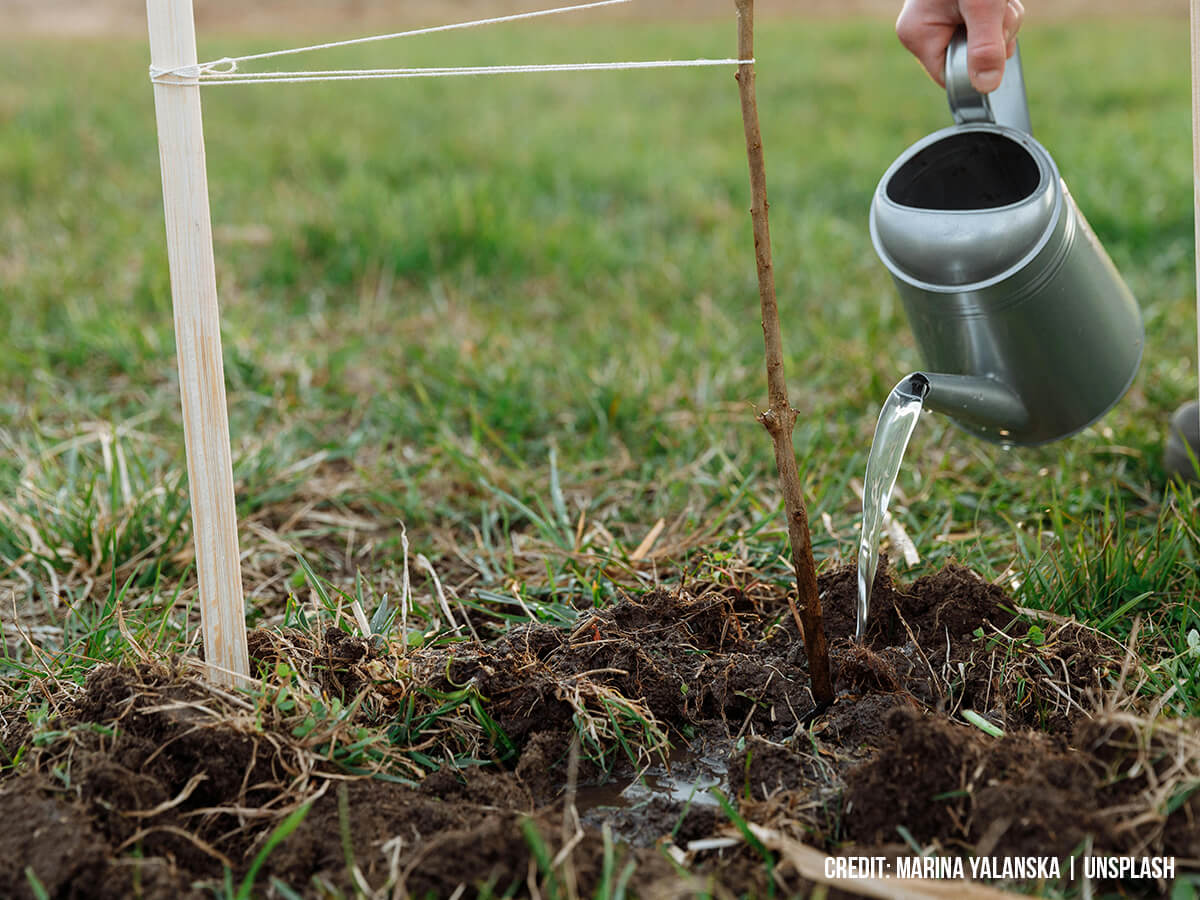
Once the ground thaws and the risk of hard frost has passed (this usually occurs in early to mid-spring) aggressively flushing the soil around your trees goes a long way to clearing any residual salt in the ground. Using a garden hose, apply a slow, deep soaking of water to the critical root zone (this is the area extending from the trunk to the drip line). The goal is to apply roughly 5 to 10 centimetres of water over a few hours. This heavy irrigation helps to dissolve the accumulated sodium and chloride and leach them deeper into the soil profile, moving them away from the active feeder roots. This mimics the natural cleansing action of spring rains and ensures a more thorough removal of contaminants.
4. Application of Soil Amendments
If you suspect high sodium levels are compacting your soil or harming your trees, the application of soil amendments to rejuvenate the soil (gypsum, also known as calcium sulphate to name one example) can be a powerful remedy. Sodium causes clay particles in the soil to disperse and clog soil pores, reducing drainage and oxygen flow. Gypsum works chemically to replace the sodium ions on the soil particles with calcium ions. The displaced sodium can then be leached away more easily during your spring flushing routine. While this does not neutralize the salt, it does repair the soil structure and prevents the root suffocation that often accompanies salt damage.
5. Smart Application of De-icing Agents
As a homeowner, you have direct control over what is applied to your own driveway. One of the best ways to save your trees is to reduce the amount of sodium chloride you use. Consider mixing your salt with sand, grit, or non-clumping kitty litter. These materials provide excellent traction without the chemical toxicity. If you need the ice to melt a little, however, consider using Calcium Magnesium Acetate (CMA). While more expensive than rock salt, CMA is biodegradable and significantly less harmful to plant life and concrete (which can save you the cost of replacing the tree in the long run). Furthermore, always shovel first before resorting to using salt; removing the bulk of the snow manually reduces the volume of de-icer required to clear the pavement.
6. Hydration and Mulching
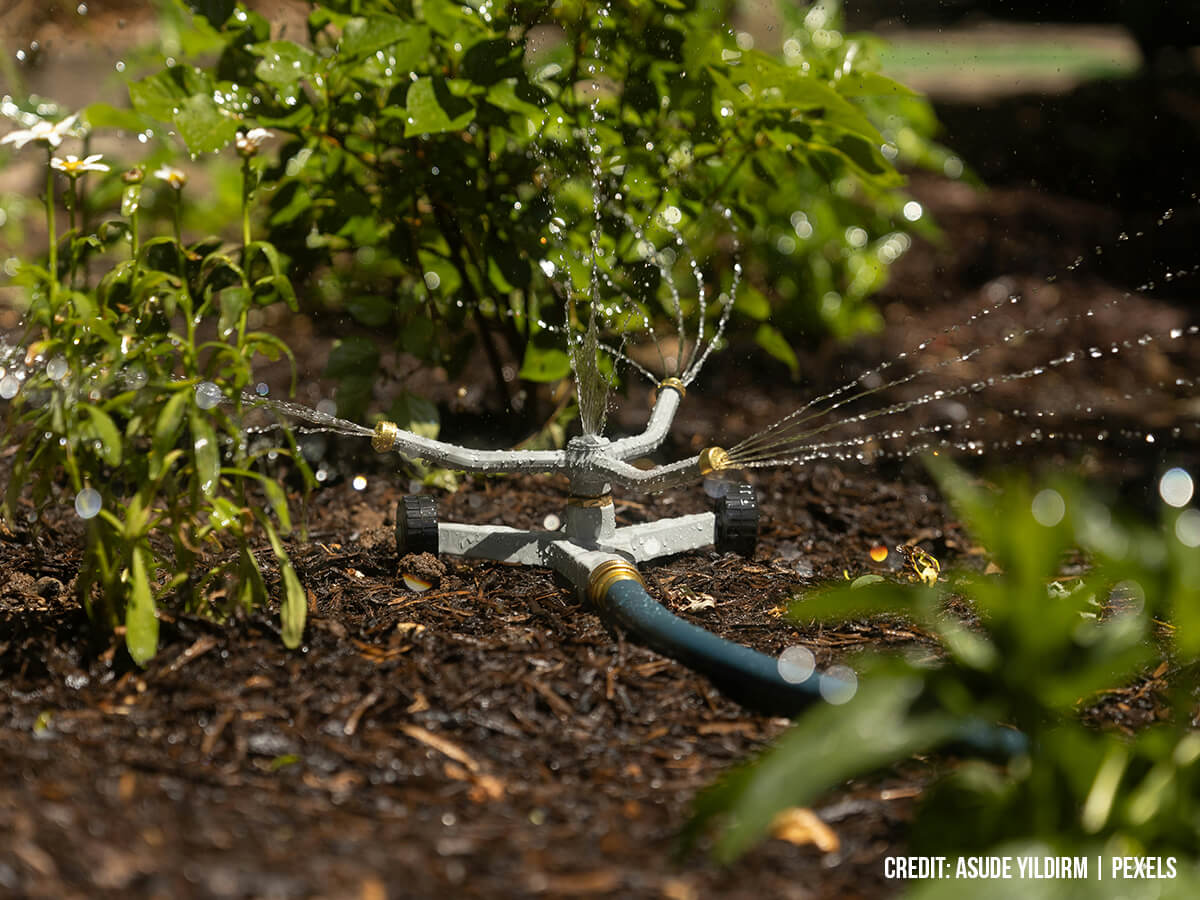
There’s a wealth of reasons to help your trees weather the winter, and one of them is that a healthy, well-hydrated tree is far more resilient to stress than a parched one. Ensure your trees receive ample water throughout the autumn before the ground freezes. This winter watering ensures the tree cells are turgid and better able to withstand the desiccating effects of salt. Additionally, maintaining a layer of organic mulch around the base of the tree helps retain moisture and acts as a buffer. However, ensure the mulch does not touch the trunk directly, as this can encourage rot. The organic matter in the mulch can also bind with some of the salt ions, preventing them from reaching the mineral soil immediately.
As a certain fantasy show keeps saying, winter is coming. While you can’t stop winter from coming, you can take pains to prevent salt from destroying your landscape. By remembering these strategies, you enable your trees to withstand the season and set them up to flourish long after the ice disappears.
Protect your landscape from salt damage and other threats with help from Dave Lund Tree Service. We provide full tree care services to help keep your trees healthy and safe all year round. Call us at (905) 884-0511 and get your trees ready for spring right now.