
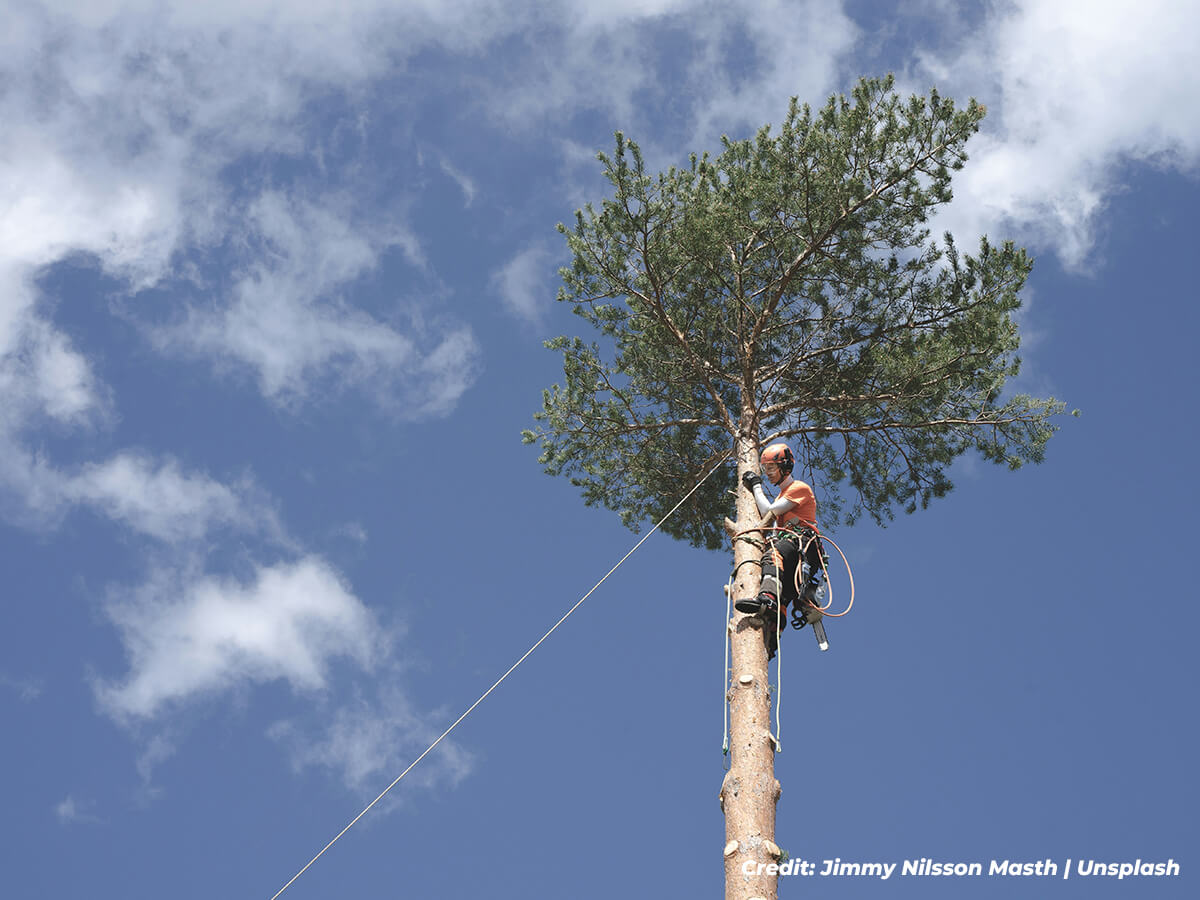
There’s no missing a storm, at least once it hits. The shudder of a howling gale, the lashing of torrential rain, and the unnerving creak of straining wood are sounds all too familiar during a storm. And when it’s all over, any fallen trees in the vicinity are a stark reminder of the power of nature. But while we can’t help the weather, we can always take some proactive and thoughtful measures to prepare our trees, bolstering their resilience and mitigating the risk of them falling the next time a storm comes a-blowing. This proactive attitude is particularly useful, given that Ontario is looking at storms in the near future as stated by the Weather Network. However, keep in mind that preventing any future falls has less to do with fighting nature (a questionable undertaking under conditions like an oncoming storm), and more about understanding and anticipating it, using that insight to ensure the long-term health and stability of the trees that grace our landscapes.
The process of strengthening a tree against a storm begins long before the winds start to howl. It is a continuous commitment to observation and care, a partnership between property owner and nature. By addressing potential weaknesses and promoting vigorous growth, we can significantly enhance a tree’s ability to weather the atmospheric challenges ahead. This involves a multi-faceted approach that considers the entire tree, from the deepest roots to the highest branches. Here are the essential points to consider when fortifying your trees against the forces of a storm.
1. The Art and Science of Strategic Pruning
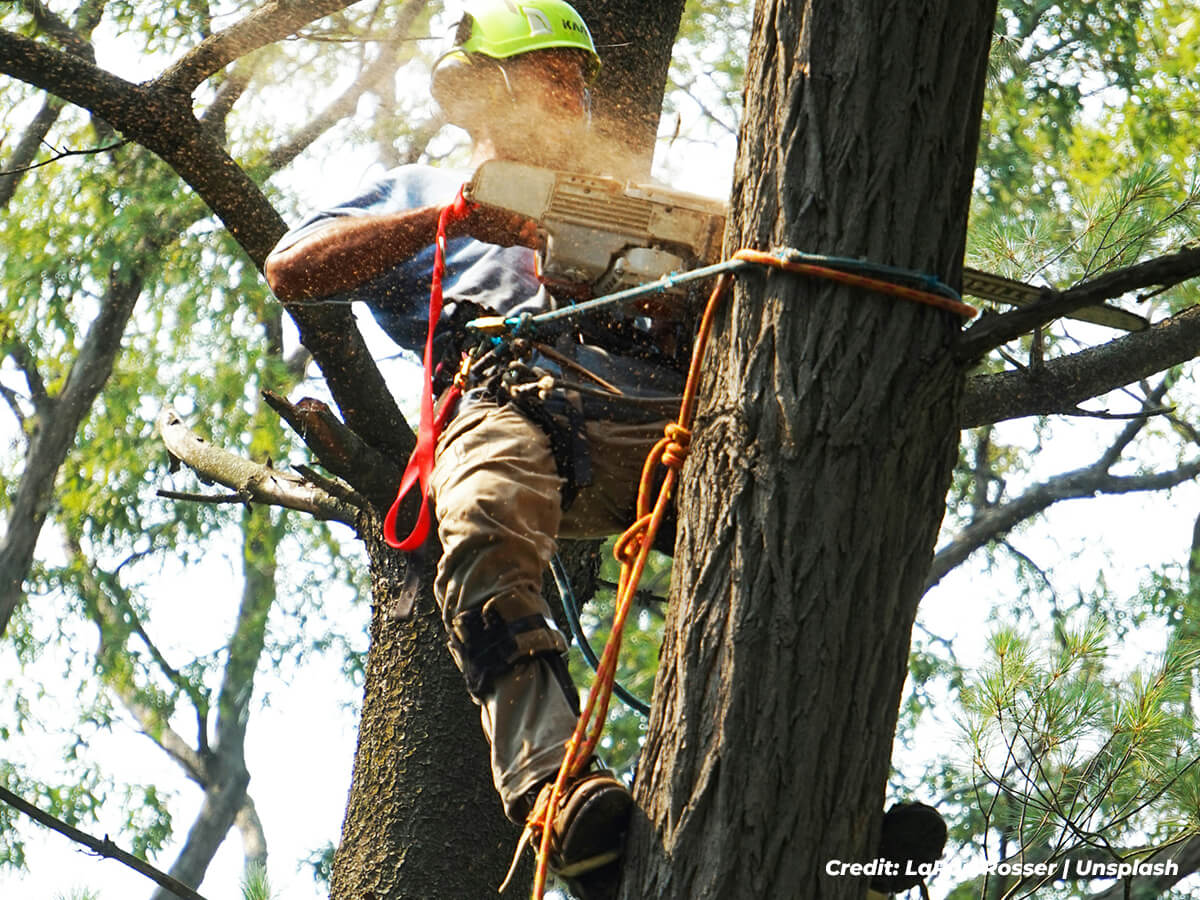
One of the most effective preventative measures you can take is pruning your tree strategically. Pruning doesn’t just enhance your trees’ appearance; it’s also good for ensuring the tree is stable and balanced, especially when you have wind and rain buffeting it. Keep in mind, proper pruning is not the indiscriminate lopping of branches, but a careful and considered process that enhances a tree’s structural integrity. The primary goal is to reduce wind resistance and remove potential failure points.
A dense, overgrown canopy acts like a sail, catching the full force of the wind and placing immense strain on the trunk and root system. Thinning the crown allows wind to pass through the branches rather than pushing against the entire tree. This involves selectively removing some of the inner branches to reduce the canopy’s overall density. It is a delicate balance pruning just enough branches to maintain stability; too much removal can weaken the tree, so focus your efforts on maintaining a natural shape while improving airflow.
Furthermore, it is crucial to identify and remove any branches that are dead, damaged, or diseased. These limbs are already compromised and are often the first to fail in high winds, potentially threatening the vicinity. Pay particular attention to any branches with weak attachments, such as those with a very narrow, V-shaped crotch. These junctions are inherently less stable than those with a wider, U-shaped angle of attachment. An arborist can also identify and correct codominant stems (i.e two or more main trunks of similar size) which can create a weak point prone to splitting under stress. For ideal results and a safer environment around the tree, pruning should be a regular and ongoing practice and performed with the help of a professional arborist who can be trusted to do the work safely.
2. Nurturing a Foundation of Strength: The Root System
A tree’s stability is inextricably linked to the health and extent of its root system. Strong, well-established roots provide the anchor that keeps a tree upright in the face of powerful winds that might otherwise knock it down. Therefore, protecting and nurturing the root zone is a fundamental aspect of storm-proofing.
Soil compaction is a significant threat to root health. When the soil around a tree’s base is compacted by foot traffic, construction, or heavy equipment, that compaction can impact the flow of water and oxygen to the roots, hindering their growth and weakening their hold. Alleviating compaction can be achieved by avoiding activity within the tree’s drip line—the area of ground directly beneath its canopy—and by applying a layer of organic mulch. Mulch, a few centimetres deep, helps to retain soil moisture, regulate temperature, and reduce competition from weeds, creating a more favourable environment for root development. It is important, however, to avoid piling mulch directly against the trunk, as this can promote rot.
Proper watering is also essential, especially for younger trees or during periods of drought. Deep, infrequent watering encourages roots to grow deeper into the soil in search of moisture, creating a more robust and widespread anchoring system. A shallow, frequently watered tree will develop a shallow root system, leaving it far more vulnerable to being uprooted by strong winds.

3. The Importance of Careful Observation
Regularly inspecting your trees is a simple yet critical practice in preventative care. Becoming familiar with the normal appearance of your trees will help you to quickly identify any changes that may signal an underlying problem. A thorough visual assessment from the ground can reveal many potential hazards that might indicate when you need an arborist’s help caring for your tree.
Look for any cracks or splits in the trunk or major limbs, which can indicate structural weakness. The presence of fungal growth, such as mushrooms, on the trunk or near the base is often a sign of internal decay. Cavities or hollows in the wood also point to compromised integrity. A tree that is leaning, especially if the lean has developed or increased recently, could have a failing root system. Pay attention to the canopy as well; areas of dieback, where branches are bare of leaves during the growing season, or a sudden discolouration of foliage can indicate stress or disease. Early detection of these warning signs allows for timely intervention, which could save the tree or prevent a catastrophic failure.
4. Selecting the Right Tree for the Right Place
When planting new trees, foresight is your greatest tool. Choosing a species (preferably a species native to your part of Ontario) that is well-suited to the local climate and soil conditions is paramount. Native species have adapted over millennia to the specific environmental challenges of a region, including its typical storm patterns, and are often a more resilient choice.
Consider the mature size of the tree to ensure you select one that can comfortably fit within the space allotted to it in your landscape. Choosing one too large for your property may have consequences in the future. For instance, the roots may not have adequate room to expand, creating an unstable foundation, and the canopy may grow into conflict with buildings or power lines. Research species known for their strong wood and wind resistance. For instance, many oak and maple species have a reputation for durability, while others, like willows and poplars, have more brittle wood that is prone to breaking. A thoughtful selection process ensures that the tree you plant today will be a strong and stable presence for decades to come, giving you peace of mind in case of a strong storm.
5. The Value of Professional Expertise
While a diligent homeowner can perform many aspects of preventative tree care, the knowledge and experience of a certified arborist are invaluable. These professionals are trained to see subtle signs of weakness that may go unnoticed by the untrained eye. They can perform a comprehensive risk assessment and provide expert recommendations tailored to your specific trees and property.
An arborist can safely execute complex pruning tasks, especially on large, mature trees where working at height is required. They are also equipped to install supportive systems like cables and braces to reinforce weak limbs or codominant stems, providing extra security against storm-induced stresses. When a tree is deemed too hazardous to remain, a professional can manage its safe removal. Establishing a relationship with a reputable arborist for regular check-ups is a wise investment in the safety and longevity of your trees.
Your trees are an investment, just like the rest of your home, and just like the house, it’s vital you take proper care of them for the sake of your home. The trick to strengthening your trees is in being proactive, taking effective steps to strengthen your trees and ensure they have the stability to stay standing when a storm hits you. And with the help of these steps, you’re not only protecting your property, but also preserving all the benefits your trees provide: the shade, the beauty, and the comfort, ensuring you can continue enjoying them long after the storm breaks.
When you need a reliable arborist to help with caring for your trees, Dave Lund Tree Service is here to lend a hand. Our team has the tools and training to help with a variety of tree-care tasks, from dealing with pests and infections to pruning your trees for improved stability. Give us a call now at (905) 880-1828 and get the help you need to look after your trees properly.