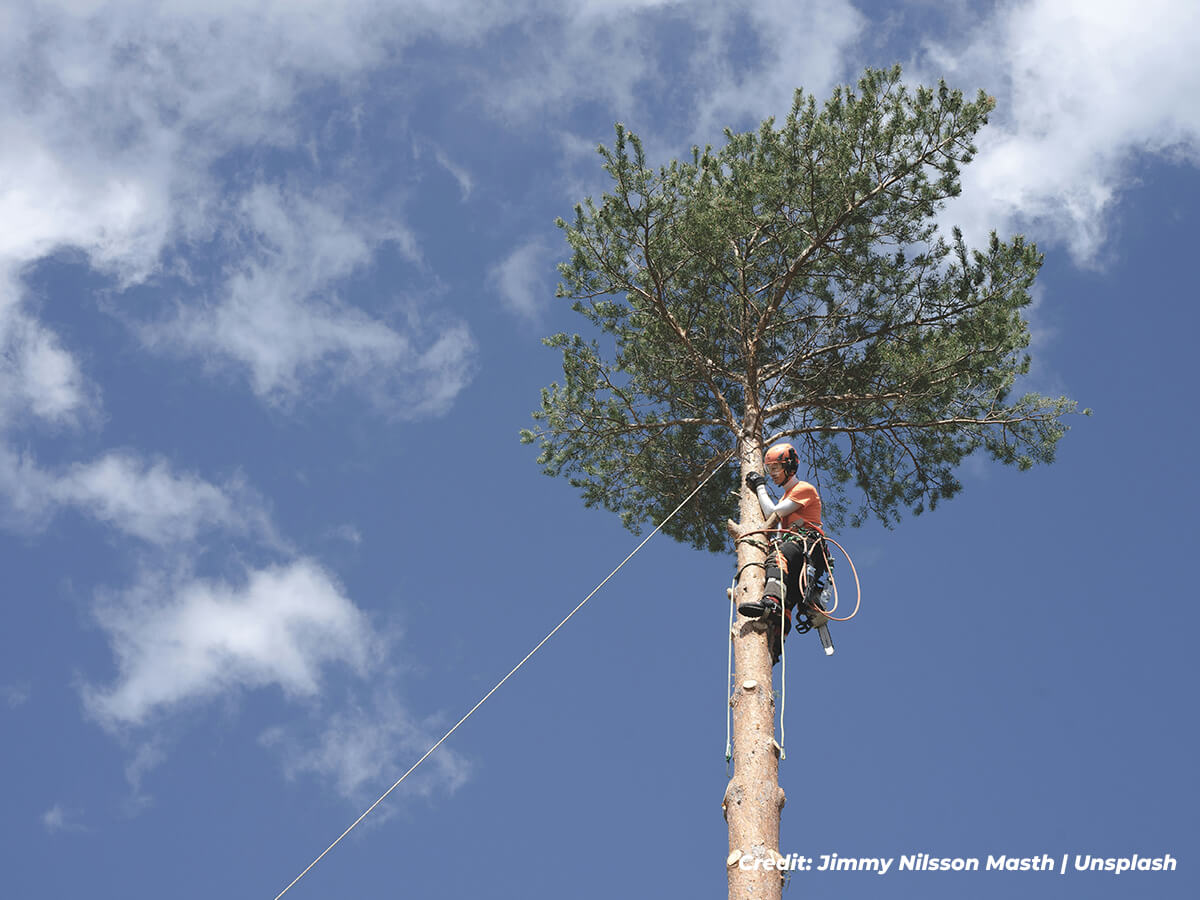
Trees are a quintessential element of many homes, and for good reason. They boost curb appeal, provide shade and privacy for a more comfortable home, and just plain make your home look that much more appealing. However, the same height that makes them so beautiful and appealing also makes them susceptible should your trees suffer damage from harsh weather, disease, and the inevitable effects of aging.
While many homeowners are comfortable with some level of basic yard work (particularly those comfortable with working with their hands), there comes a point where assessing and managing tree health requires the expertise of a professional arborist. With their help, you can take all necessary steps needed to storm-proof your trees, whether by pruning your tree for better storm resistance or removing it if it’s too hazardous to retain. Recognizing the signs that a tree is in distress and knowing when to make that call can prevent property damage, personal injury, and the unnecessary loss of a valuable tree.
Here are several key indicators that it is time to consult a professional arborist:
1. Significant Storm Damage
The aftermath of a severe storm, be it heavy snow, ice, or high winds, often leaves a trail of destruction. As Forests Canada weighed in a few months ago, it’s crucial you take the right steps to assess the damage to know what to do next. While the immediate cleanup of small fallen branches may be manageable, a professional should be called to deal with more significant damage.
Large Broken or Hanging Branches:
Branches that are broken but still attached to the tree (often ominously referred to as widow-makers) are extremely dangerous. They can fall at any moment, posing a serious risk to people and property below. An arborist has the specialized equipment and training to safely remove these hazards.
Split Trunks or Major Limbs:
A tree with a split trunk or a major limb that has been torn away from the main stem has suffered a significant structural blow. An arborist can assess the extent of the damage and determine if the tree can be saved through cabling or bracing, or if removal is the safest option.
A Sudden Lean:
If a tree that was previously upright is now leaning, it may point to root failure. This is a critical situation, as the tree could topple over completely. An arborist can evaluate the stability of the root system and advise on the best course of action.
2. Signs of Disease or Pest Infestation
Not all threats to a tree’s health are as dramatic as a storm. Disease and pest infestations can slowly weaken a tree from the inside out. A professional arborist is trained to identify signs of infection or infestation, but it also pays to keep an eye out yourself to stay abreast of any developments with your trees.
Discoloured or Deformed Leaves:
Leaves that are yellowed, spotted, or misshapen during the growing season can indicate a variety of diseases or nutrient deficiencies. An arborist can diagnose the specific problem and recommend an appropriate treatment plan.
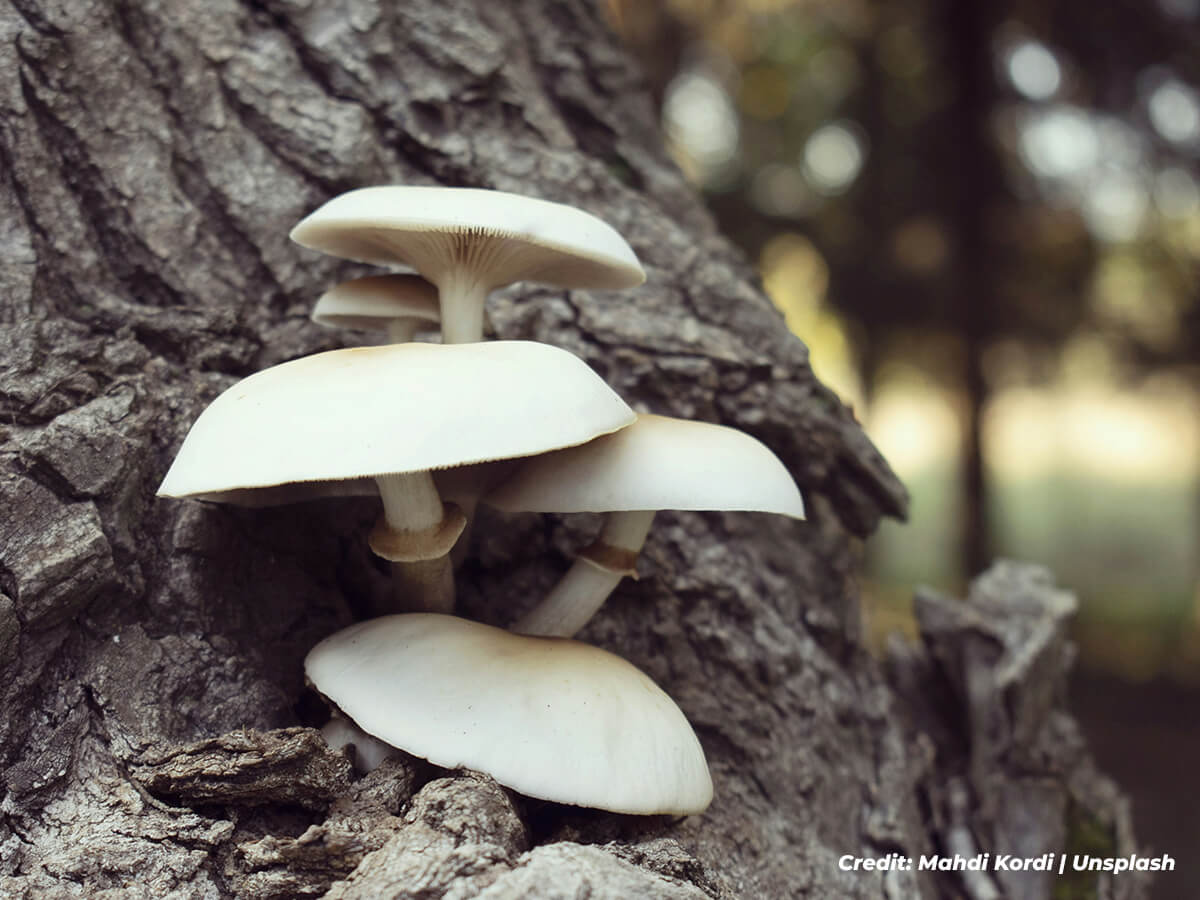
Fungal Growth:
The presence of fungi on the trunk, branches, or around the tree’s base is a clear indicator of decay occurring deep inside the tree. While the tree may look healthy on the outside, its structural integrity could be compromised.
Unusual Bark or Wood:
Peeling or cracked bark, deep fissures, or soft, crumbly wood can all be signs of underlying health issues. An arborist can inspect these symptoms to determine the cause and severity.
Pest Activity:
While some insects are a natural part of the ecosystem, large-scale infestations can be detrimental. Look for signs such as sawdust-like material (frass) at the base of the tree, numerous small holes in the bark, or significant defoliation.
3. Compromised Structural Integrity
Even without obvious damage from a storm or disease, a tree’s structure can weaken over time. Regular assessment by a professional can identify potential hazards before they become emergencies. In case of the worst, a professional arborist also has the tools and training to remove dead or damaged trees safely and minimize risks to their surroundings.
Included Bark:
This occurs when two stems grow closely together, trapping bark between them. This creates a weak union that is prone to splitting. An arborist can identify these formations and may recommend pruning to improve the tree’s structure.
Multiple Trunks:
Trees with multiple co-dominant stems can be more susceptible to failure, especially where the stems connect. An arborist can assess the stability of these unions.
Root Zone Disturbances:
Construction, excavation, or even soil compaction from heavy equipment near a tree’s base can damage the root system. If you’ve had recent work done on your property, it is wise to have a professional check on the health of nearby trees. Look for heaving soil or exposed roots that were previously covered. A tree’s critical root zone can extend a significant distance, often well beyond the spread of its branches.
4. Proximity to Targets
The risk a tree poses is directly related to what it could potentially damage if it were to fail. A professional assessment is crucial for any tree that is close to a significant “target.”
Overhanging Structures:
Trees with large limbs extending over your house, garage, or deck should be regularly inspected. An arborist can prune back these branches to reduce the risk of damage from falling limbs.
Near Power Lines:
Never attempt to prune a tree that is near power lines. This is an extremely dangerous task that should only be performed by a qualified utility arborist who is trained to work in these high-risk situations.
Close to Play Areas or High-Traffic Zones:
Trees located near children’s play areas, public sidewalks, or driveways are particularly at risk given the traffic that goes through these locations. As such, these areas merit a higher level of scrutiny to ensure they are safe.
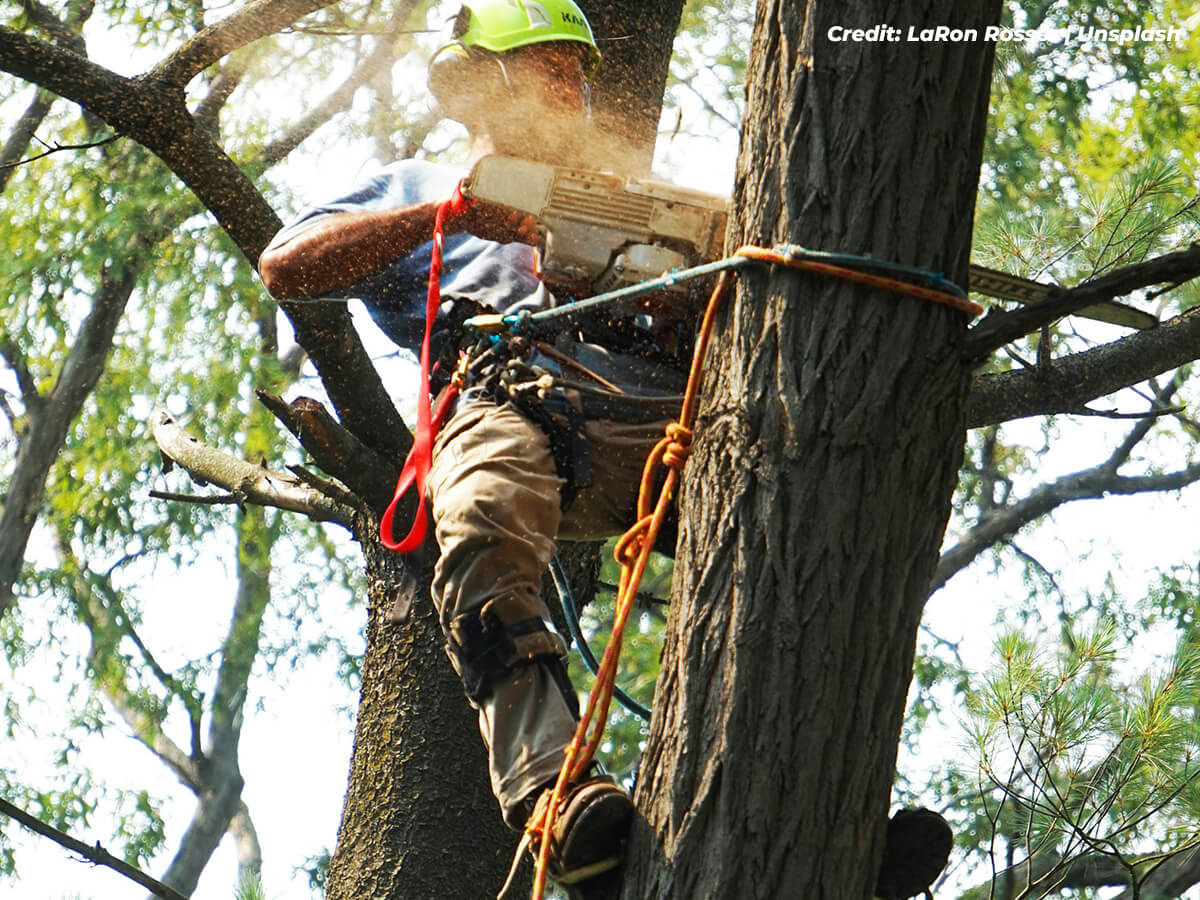
It takes effort to make your tree appealing to the surrounding area, but even more effort to keep safe for its surroundings. Engaging a certified arborist is an investment in maintaining that level of safety, for the tree as much as for its surroundings. Their extensive knowledge of tree biology, structural mechanics, and pest and disease management allows them to provide a comprehensive assessment and recommend the most appropriate course of action. It’s easy to think of arborists’ services as an expense, but the most healthy view is to see their help as an investment. And an investment in a safe, healthy tree you can enjoy at home for years to come at that.
When you need reliable arborist services to help care for your trees, Dave Lund Tree Service has you covered. We provide a wide range of tree care services, from pruning to cabling and bracing, all in the name of giving your trees the right care to stay tall and healthy. Give us a call now at (905) 880-1828 to get the helping hand you need with your trees.