
As the leaves begin to change and temperatures drop, fall signals an ideal time for tree maintenance. Trees prepare for dormancy during this season, making it easier to assess their health and stability. Removing problematic trees in the fall can prevent safety hazards and protect property from potential damage. Knowing the signs of an unhealthy tree and the right timing for removal ensures a safer and more attractive landscape.
How to Know When Tree Removal Is Needed This Fall
Tree removal is not a decision to make lightly. Homeowners should identify clear signs that indicate a tree poses a risk or is unhealthy. Recognizing these indicators early can prevent accidents and costly damage.
- Structural Instability
Large vertical cracks, seams, or wounds in a tree trunk indicate weakened structural integrity. Such trees may not withstand strong winds or heavy snow, increasing the risk of sudden collapse. Prompt removal reduces the chance of property damage and personal injury.
- Decay Indicators
Fungal growth, mushrooms, or large cavities at the base signal internal rot within the tree. This decay weakens the tree from the inside, often without obvious external signs. Removing a decayed tree prevents unexpected falls and protects nearby structures and plants.
- Root Damage
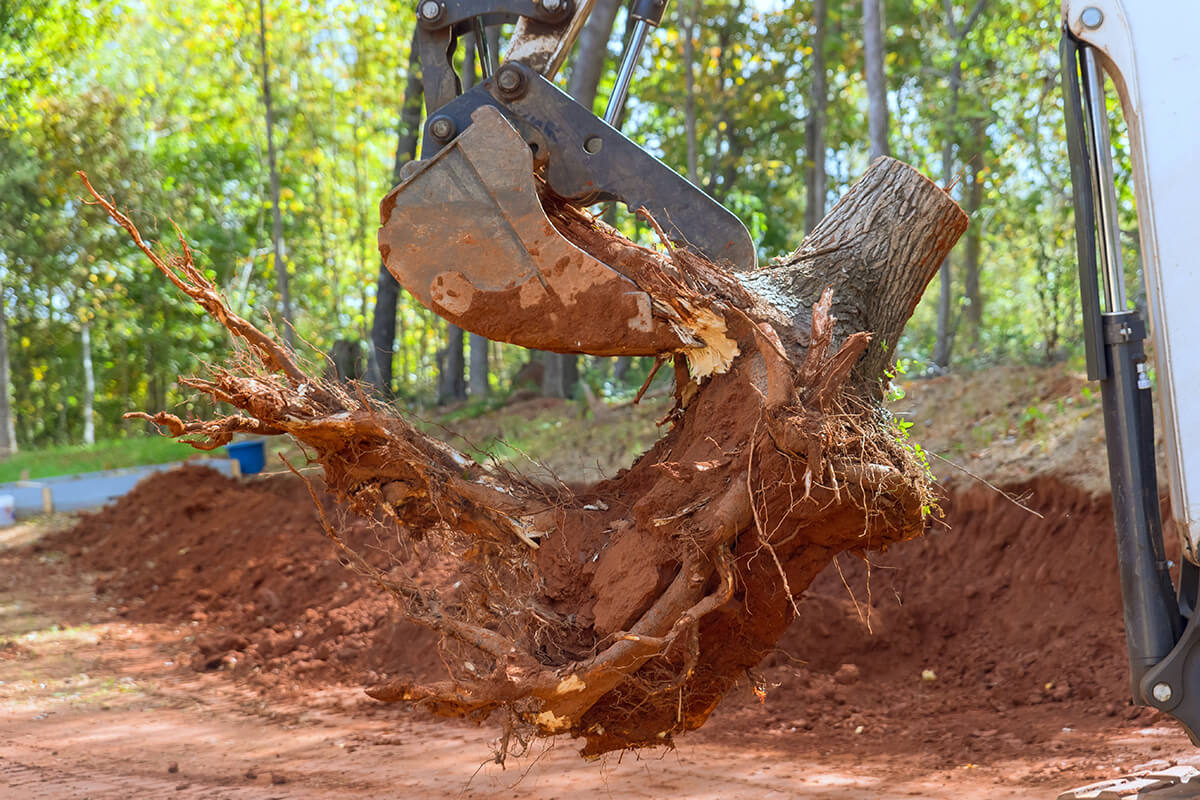
Exposed, broken, or compacted roots can make a tree unstable and prone to tipping over. Root damage often occurs due to construction, soil erosion, or accidental impacts from vehicles or heavy machinery. Trees with compromised roots should be evaluated and removed if necessary to prevent hazards.
- Leaning Trees
A tree that leans more than 15 degrees from vertical may indicate a failing root system or uneven weight distribution. Leaning can worsen over time, especially during storms, heavy rain, or snowfall. Removing or stabilizing these trees reduces the risk of them falling onto property or people.
- Dead or Diseased Limbs
Branches that are dead, broken, or infected pose a constant threat of falling. Diseased limbs can also spread infection to healthy parts of the tree or nearby vegetation. Timely removal ensures both safety and the overall health of the surrounding landscape.A professional arborist can evaluate tree health and recommend removal if over one-third of the interior is hollow or decayed. Regular inspections prevent surprises and ensure trees are removed only when necessary.
Advantages of Fall Tree Removal
Fall offers several benefits that make it an ideal season for tree removal. The cooler, drier weather and lower pest activity make the process safer and more efficient.
- Optimal Weather Conditions
Cooler temperatures and lower humidity in the fall create safer working conditions for removal crews. Heavy equipment is easier to operate without the risk of overheating or worker fatigue from hot weather. These stable conditions also help ensure the job is completed efficiently and with fewer delays.
- Reduced Pest Activity
Insects and other pests are far less active once the weather cools down. With fewer bugs around, there is less risk of infestations spreading to nearby trees or soil after removal. This makes fall an ideal time to handle tree issues without inviting new problems.
- Disease Prevention
Many tree diseases thrive in warm, humid conditions, which are less common in autumn. The cooler, drier weather makes it harder for fungi and bacteria to spread. Removing a tree in these conditions lowers the chance of infecting other healthy trees.
- Enhanced Visibility
When leaves have dropped, it becomes much easier to see the structure of a tree. Any cracks, dead limbs, or leaning issues stand out clearly without foliage blocking the view. This visibility allows crews to plan safer and more precise removals.
- Cost Efficiency
Fall is often considered an off-peak season for tree services, so companies may offer better rates. Scheduling removal during this time can save homeowners money compared to spring or summer. Lower demand also means quicker appointment availability and less waiting.
Considerations Before Proceeding
Before scheduling tree removal, homeowners should consider the type of tree, local regulations, and professional advice. Planning ensures the process is safe, legal, and effective.
- Species-Specific Dormancy
Different trees enter dormancy at different times, depending on their species and local climate. Cutting a tree during its dormant phase reduces stress on the surrounding environment. An arborist can guide you on the right timing so removal is both safe and efficient.
- Local Regulations
Many municipalities require permits before a tree can be removed, especially for large or protected species. Skipping this step can result in fines or delays in the project. Checking the rules ahead of time avoids legal issues and ensures the removal is done properly.
- Professional Assessment
Certified arborists have the training to identify issues that may not be visible to the untrained eye. They assess the tree’s condition, stability, and potential risks before removal. Their guidance helps ensure that the process is safe and handled correctly.
- Property Impact
Removing a large tree can affect nearby landscaping, fences, or underground utilities. Planning ahead allows you to protect these areas and avoid damage. Considering the impact on your property helps make the process smoother and less costly.
- Future Landscaping Plans
Before removing a tree, think about how the space will be used afterwards. You may want to plant a new tree, create more yard space, or improve sunlight for gardens. Planning future use ensures the removal decision aligns with your long-term goals.
Post-Removal Care and Next Steps
After a tree is removed, proper care of the surrounding area is important for soil health and future landscaping. Ignoring post-removal steps can lead to soil erosion, nutrient loss, or pest issues.
- Stump Management
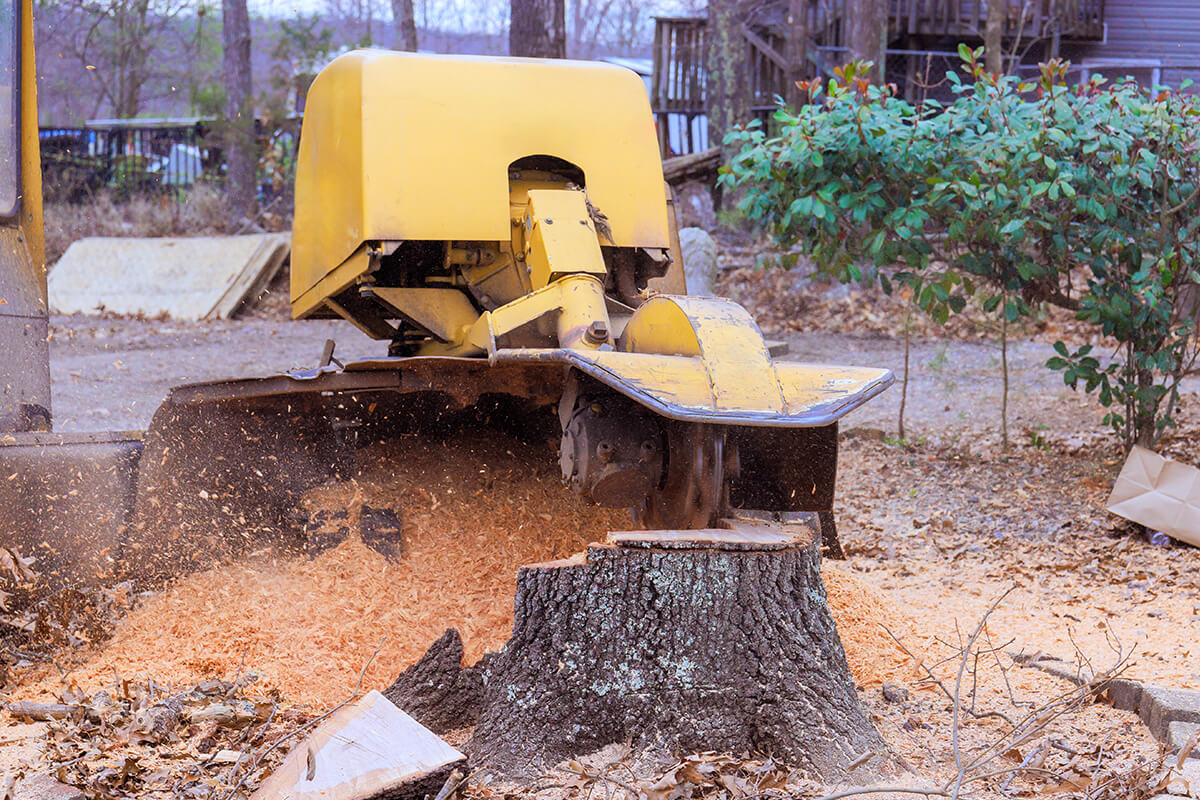
After a tree is removed, the remaining stump can either be left to decompose or removed through grinding. While natural decomposition takes years, grinding clears the space quickly and eliminates tripping hazards. Choosing stump removal also prevents pests like termites or ants from nesting in the wood.
- Soil Restoration
Tree removal often leaves the soil compacted or depleted of nutrients, especially if the tree was large. Aerating the ground and adding compost helps restore balance and improve soil structure. Healthy soil is essential if you plan to replant or grow grass in the area.
- Replanting Considerations
Before planting a new tree, evaluate how much sunlight, space, and water the spot receives. Choosing a species suited to your yard ensures stronger growth and fewer maintenance issues. Proper planning prevents overcrowding and gives your new tree the best chance to thrive.
Schedule Your Tree Removal in Richmond Hill with Dave Lund Tree Service Today
Ensure the safety of your property with professional tree removal in Aurorav. Dave Lund Tree Service offers expert assessments and safe removal to eliminate hazardous trees. Don’t wait until problems arise—count on Dave Lund Tree Service for reliable tree removal this fall. Call us today at 905-884-0511 to request a quote.