Precarious branches are liabilities, not just aesthetic flaws. Professional tree pruning isn’t about chopping wood; it is an investment in your property’s structural integrity. A certified arborist sees load distribution and failure points invisible to the untrained eye. Understanding this process distinguishes true experts from amateurs, ensuring military precision and biological care from arrival to final cleanup.
Why Is Professional Tree Pruning Considered a Health Necessity for Your Landscape?
Pruning prioritizes health, safety, and structure over aesthetics, essential for countering urban stressors. According to a study, frequent and less intense urban tree pruning can optimize ecosystem services performance and minimize branch dieback occurrence, with open dump waste wood disposal being the least CO2 eq emission option (Desirée et al., 2024). This confirms that regular, measured care is far superior to sporadic, aggressive cutting.
How Does the Initial Assessment and Quote Process Work?
The service begins long before a saw starts. It starts with an on-site consultation. A reputable arborist will walk your property to evaluate the specific needs of each specimen. This isn’t a quick glance. They look for:
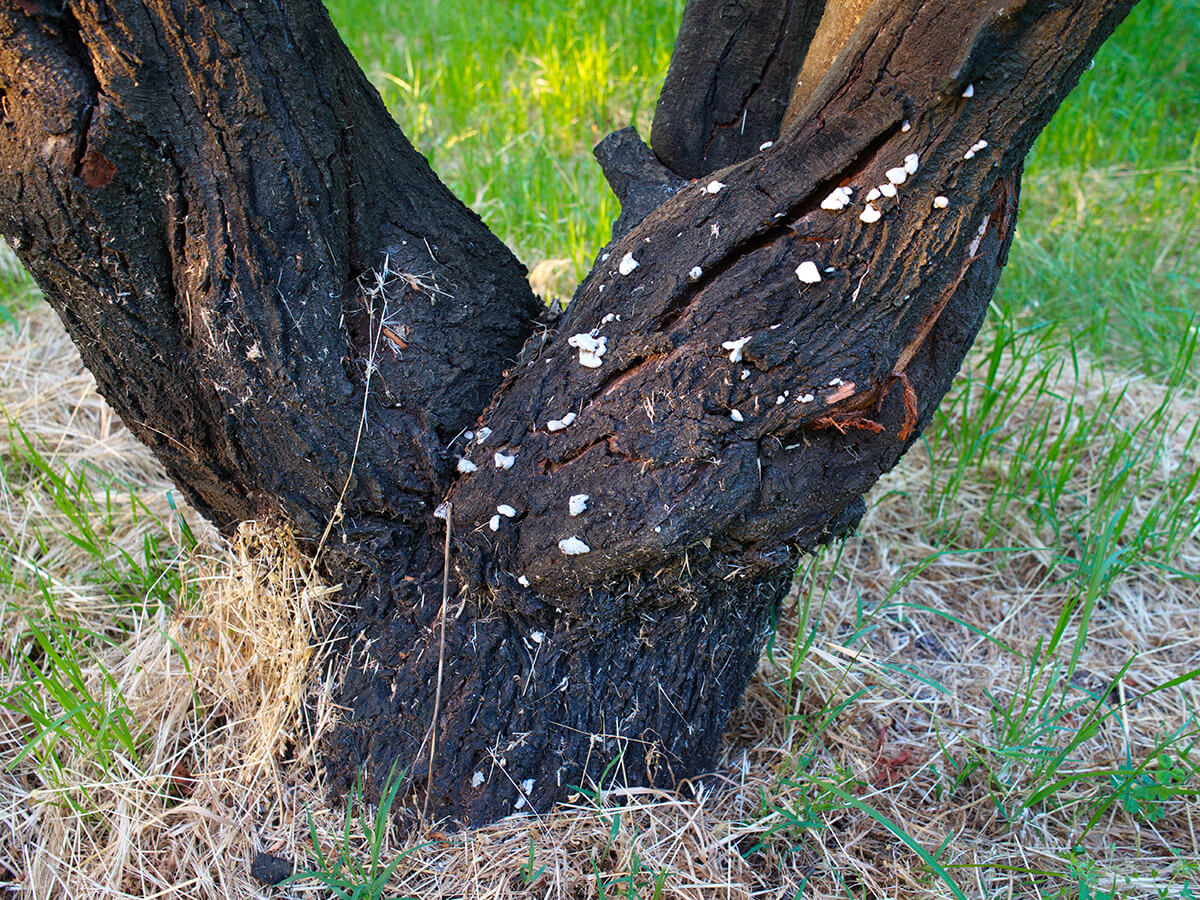
- Signs of Disease: Fungal brackets on the trunk, spotted leaves, or oozing sap.
- Structural Defects: Included bark (weak unions between branches), cracks, or cavities.
- Target Assessment: What is under the tree? A gazebo? Hydro lines? Your neighbour’s fence?
During this phase, you should expect a transparent discussion about your goals. Do you want more light on your lawn? Are you worried about branches touching the siding? The arborist will translate your goals into technical terms.
If you ask to “top” the tree (cut the top off to reduce height), a professional will likely refuse or explain why that destroys the tree’s health. They will instead propose “crown reduction,” a technique that reduces height while maintaining the tree’s natural form and health.
The quote you receive should be detailed. It will specify which trees are being worked on, the type of pruning (e.g., “Class I Fine Pruning” vs. “Class II Standard Pruning”), and how the debris will be handled.
What Happens When the Crew Arrives on Site?
On the scheduled day, the first thing you will notice is the focus on site security. Tree work is dangerous. It involves heavy logs, sharp tools, and gravity. A professional crew will arrive with a clear plan.
- Site Setup: The crew will establish a work zone. This often involves setting up cones, pylons, or caution tape to keep pedestrians and vehicles away from the drop zone.
- Gear Inspection: You will see the climbers checking their saddles, ropes, and carabineers. Ground crew will inspect chainsaws and chippers.
- Communication: The crew leader will likely knock on your door to let you know they are beginning and to confirm that all vehicles or movable objects (like patio furniture) are out of harm’s way.
This preparation phase is critical. If a crew hops out of a truck and immediately starts cutting without a safety briefing or site check, that is a red flag. Professionalism is quiet, organized, and deliberate.
How Do Arborists Access the Canopy?
Depending on the size of the tree and the access to your yard, the method of entry will vary. This is often the most fascinating part of the process to watch.
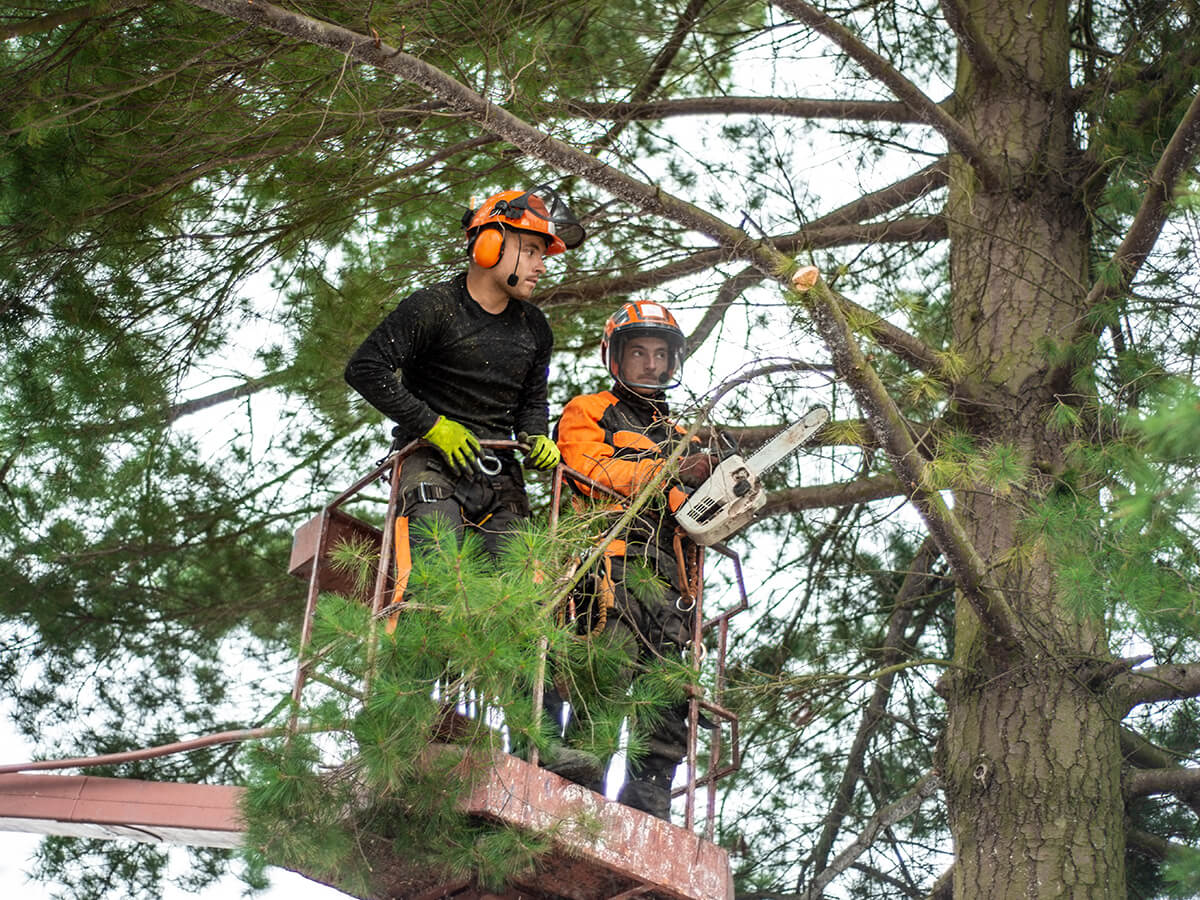
- Aerial Lifts (Bucket Trucks): If the tree is accessible from a driveway or road, an aerial lift is often the fastest and safest method. It allows the arborist to reach outer tips of the canopy without putting weight on the branches.
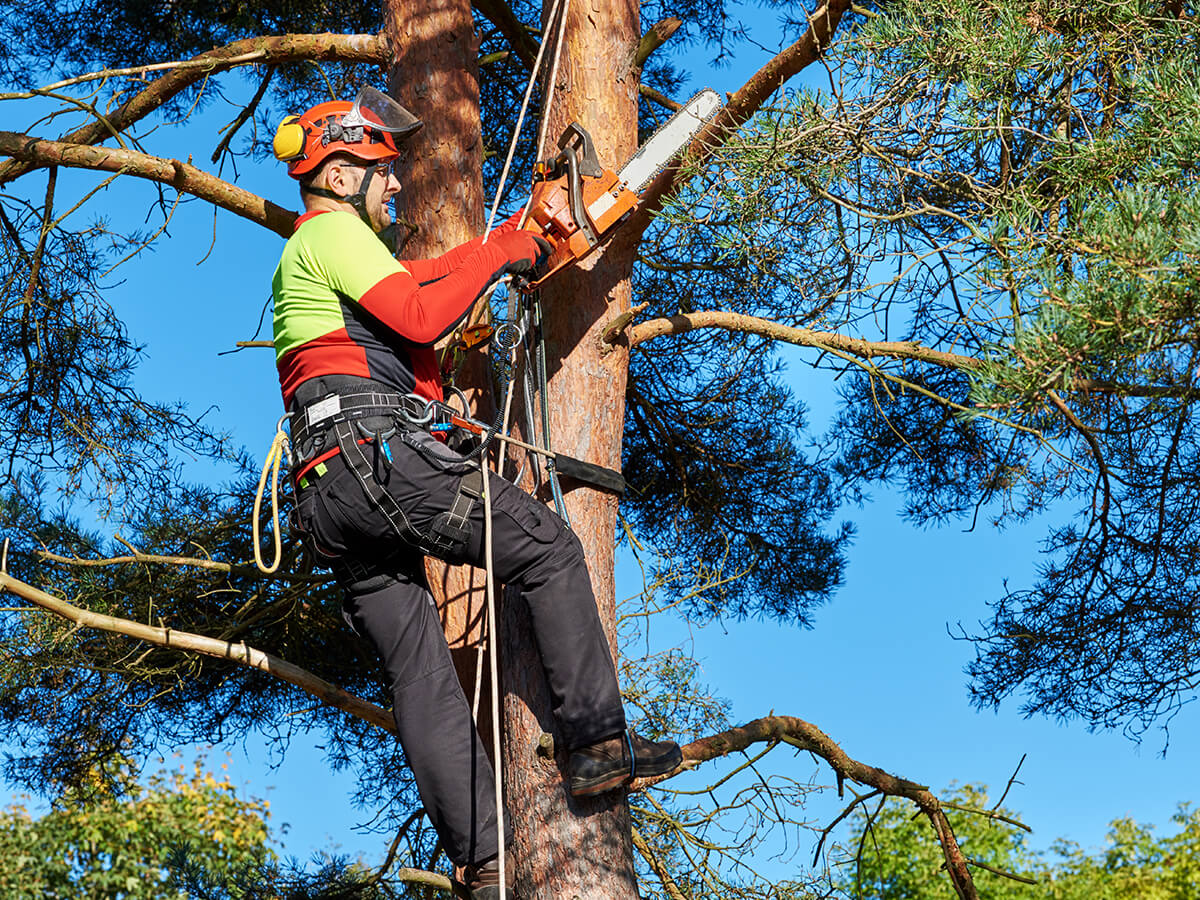
- Climbing: For backyard trees or tight spaces, manual climbing is necessary. Arborists use specialized ropes and harnesses. You might see them throw a “throw line” (a thin, weighted cord) high into the tree to set their friction saver and climbing line. They ascend using body thrusts or mechanical ascenders.
- Spikeless Climbing: Note that for pruning live trees, professionals do not use climbing spikes (gaffs) on their boots. Spikes puncture the cambium layer, leaving open wounds that invite insects and disease. Spikes are acceptable only during tree removal.
What Specific Cutting Techniques Will Be Applied?
Once in the canopy, the work is surgical. The arborists are not just cutting random branches. They are looking for specific issues that compromise the tree.
The Three D’s: The first pass usually addresses the Three D’s: Dead, Dying, and Diseased wood. Removing these prevents decay from spreading back into the main trunk.
Crown Thinning: This involves the selective removal of live branches to reduce the density of the canopy. The goal is to allow more light penetration and air movement through the crown. Better airflow reduces the moisture on leaves, which helps prevent fungal infections. However, a pro knows not to remove more than 10-25% of the live foliage in a single season. Taking too much puts the tree into shock, causing it to produce rapid, weak growth called “water sprouts.”
Structural Pruning: This is corrective surgery. The arborist identifies crossing branches that are rubbing against each other. The friction from the wind strips the bark, creating a wound. The arborist will remove the less desirable branch to save the dominant one. They also look for branches with poor attachment angles that are likely to fail under a heavy snow load; a common concern for anyone looking for a tree service in Markham or other Canadian cities prone to winter storms.
The Collar Cut: Watch closely, and you will see how they cut. They do not cut flush against the trunk. They locate the “branch collar,” a swollen area at the base of the branch. This collar contains cells that specialize in sealing wounds. The cut is made just outside this collar. This allows the tree to grow callus tissue over the wound effectively.
How Is the Ground Managed While Wood Is Falling?
The coordination between the climber (aloft) and the ground crew (below) is constant. You will hear them communicating via helmet headsets or hand signals.
When a large branch is cut, it rarely just falls. If it did, it would crater your lawn or smash your fence. Instead, professionals use “rigging.”
- Roping Down: A rope is attached to the branch before the cut is made. The rope runs through a pulley block high in the tree and down to a friction device at the base of the tree, operated by a ground worker.
- The Lowering: As the climber cuts, the ground worker controls the descent of the heavy wood, lowering it gently to the ground. This protects your turf, hardscaping, and garden beds.
- Zip Lining: sometimes, a line is set up to slide branches from the canopy directly to the chipper area, completely bypassing the garden below.
What Happens with the Debris and Cleanup?
One of the biggest differences between amateurs and professionals is the state of the yard after they leave. The cleanup process is rigorous.
- Chipping: Brush and branches are dragged to the wood chipper. This machine turns bulky waste into nutrient-rich mulch.
- Wood Removal: Larger logs that cannot be chipped are usually cut into manageable lengths and loaded onto a truck to be hauled away. If you have a fireplace, you can often request to keep the larger wood for fuel, though it will be un-split.
- Raking and Blowing: The crew will rake up twigs and leaves. They will use leaf blowers to clear sawdust from your driveway, patio, and roof.
The goal is to leave the property looking cleaner than when they arrived. The only evidence of their presence should be the better-looking tree.
How Does Seasonality Affect the Service?
In Canada, timing dictates the approach. Winter is ideal for disease prevention in Oaks and Elms, while frozen ground protects the soil and leafless branches reveal structural defects. Summer pruning allows arborists to assess heavy boughs for clearance cuts, provided enough foliage remains for photosynthesis.
What Are the Long-Term Impacts You Can Expect?
Post-service, the tree looks “airier” and begins biologically sealing wounds via compartmentalization. Correct cuts strengthen branches rather than triggering chaotic regrowth. Environmental benefits follow: increased sunlight boosts grass growth, improved airflow reduces roof moss, and the thinned canopy allows wind to pass through safely during storms.
How Do You Know If the Job Was Done Right?
After the service, take a walk around your property.
- Look at the cuts: Are they clean? Is the bark stripped below the cut? (It shouldn’t be). Are there “stubs” left sticking out? (There shouldn’t be).
- Check the canopy: Does the tree still look like a tree? It should retain its natural shape. If it looks like a hat rack or a totem pole, mistakes were made.
- Inspect the ground: Are there ruts in the lawn? Is there sawdust covering your car?
A professional service guarantees their work and follows industry standards (like the ANSI A300 standards or Canadian equivalents). They care about the long-term relationship with you and your landscape.
Why Is Specific Equipment Essential for the Task?
You might wonder why the cost of professional pruning is higher than a general handyman. The overhead for proper equipment is massive, but necessary for results.
- Hygiene: Professionals sanitize their tools. If they pruned a diseased Maple at the previous house, they clean their saws before touching your Birch. This prevents cross-contamination.
- Sharpness: A dull saw shreds wood; a sharp saw slices it. Shredded wood heals poorly. Professionals sharpen chains several times a day.
- Safety Ratings: The ropes used are rated to hold thousands of pounds to account for dynamic loads (falling wood). This equipment ensures that accidents are extremely rare.
Ready to Transform Your Landscape?
Trees are valuable living assets requiring expert care to withstand the Canadian climate. Proactive maintenance is far superior to reacting after storm damage or disease strikes. For expert tree pruning in Markham, contact Dave Lund Tree Service at (905) 884-0511. Secure your landscape’s health and safety today.