
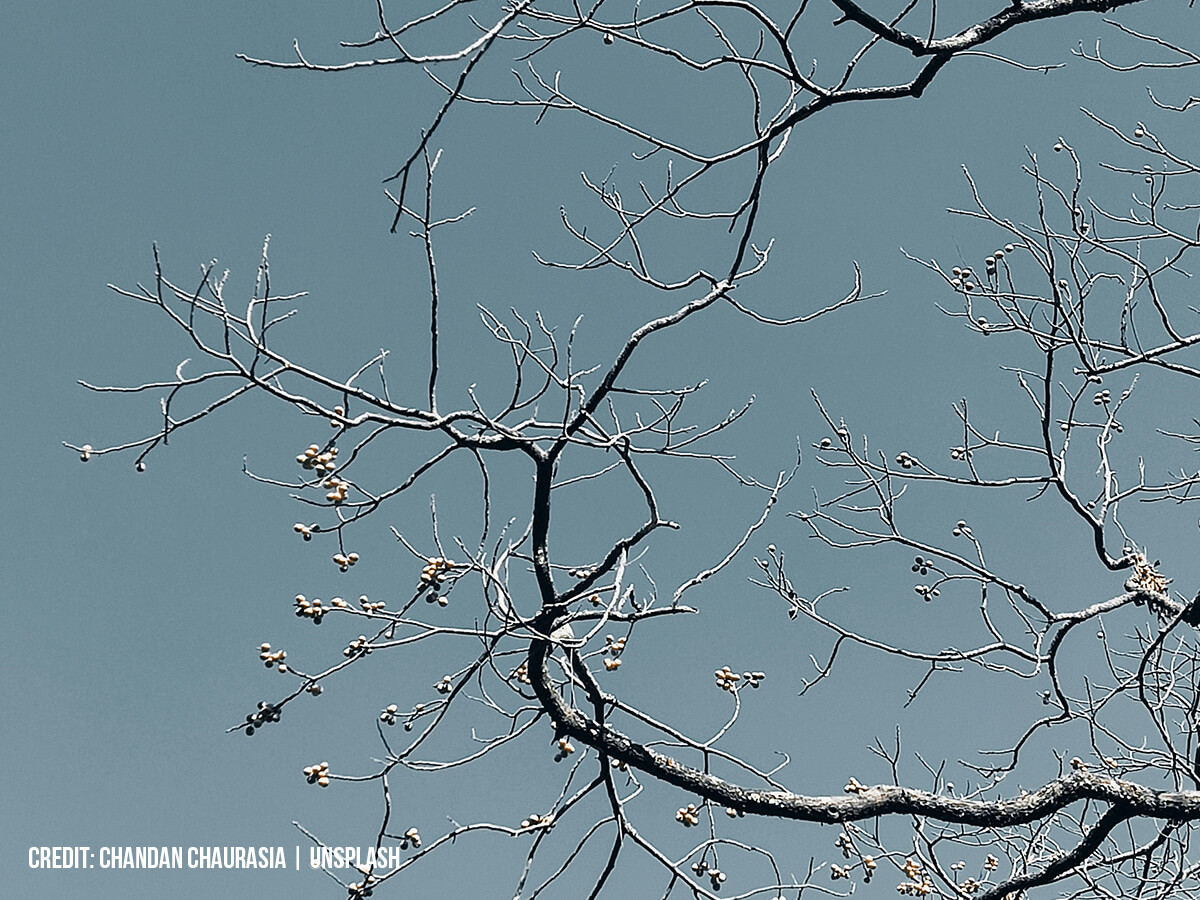
Winter comes (to paraphrase a certain show), but it also goes, and once winter goes many homeowners are very often met with the sobering sight of their post-winter garden. Northern winters like Canada’s are very often characterized by fluctuating temperatures, heavy ice accumulation, and desiccating winds; all of this leaves a physical record on trees, and yours are no exception. Conducting a post-winter autopsy isn’t just an exercise in curiosity, though; it is actually essential maintenance to ensure the structural integrity and long-term health of your trees. By systematically inspecting, diagnosing, and repairing damage very early in spring, you can prevent secondary infections and help your trees transition successfully into the growing season.
The Visual Inspection: Identifying the Symptoms
As with any and all approaches to properly caring for your trees, the first step in a post-winter assessment is a thorough visual walkthrough. This is ideally done as soon as the ground is safe to walk on but before the trees have fully leafed out; the resulting absence of foliage allows for a clearer view of the branch structure. Begin at the base of the trunk and work your way up to the highest crown.
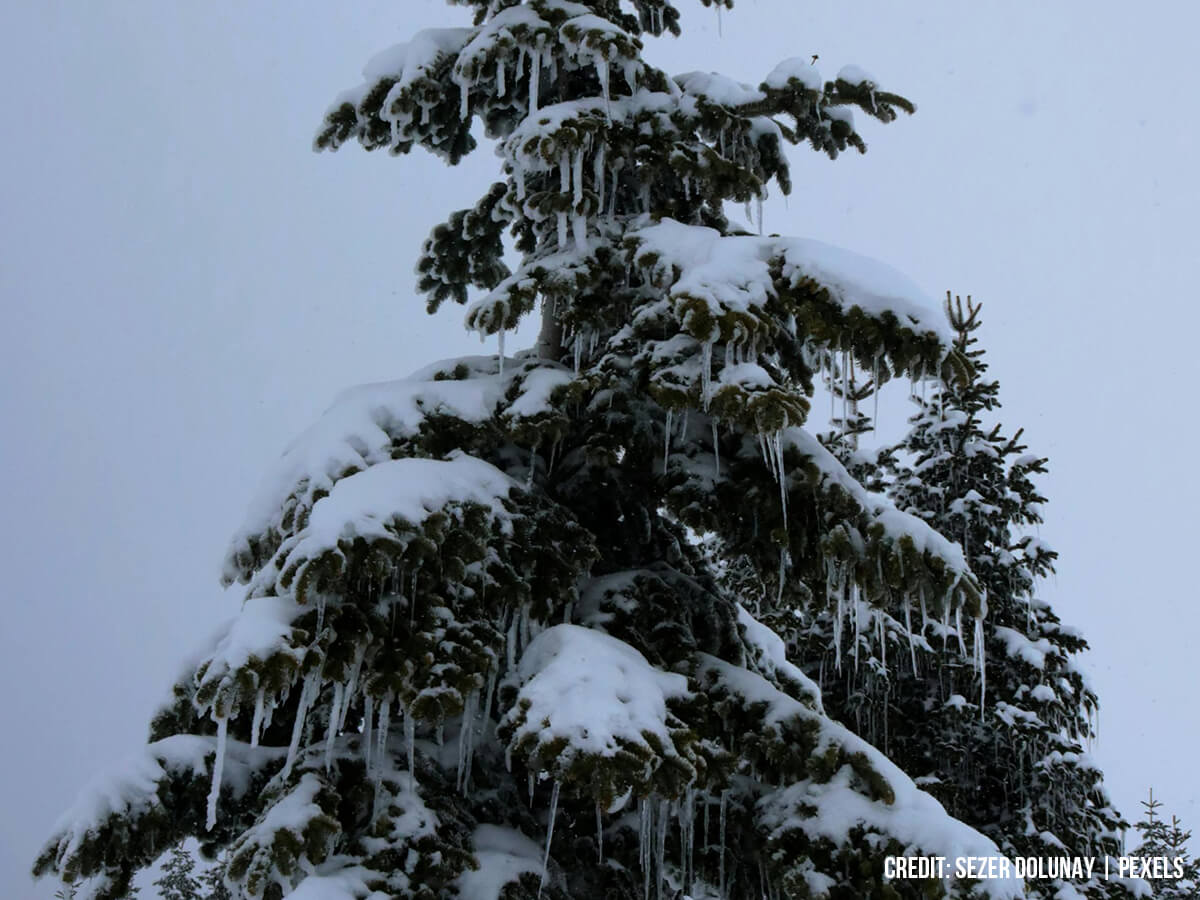
One of the most common sights following a heavy winter is mechanical breakage. This occurs when the weight of snow or silver thaws (freezing rain) exceeds the load-bearing capacity of a limb. Look for jagged tears, hangers (these are broken branches still caught in the canopy), and split crotches. Beyond obvious breaks, also keep an eye out for sunscald on the bark. This appears as elongated, sunken, or cracked sections of bark, typically on the south or southwest side of the tree. It’s typically caused by the warm winter sun triggering bark growth during the day, only for it to be flash-frozen when the temperature drops at night.
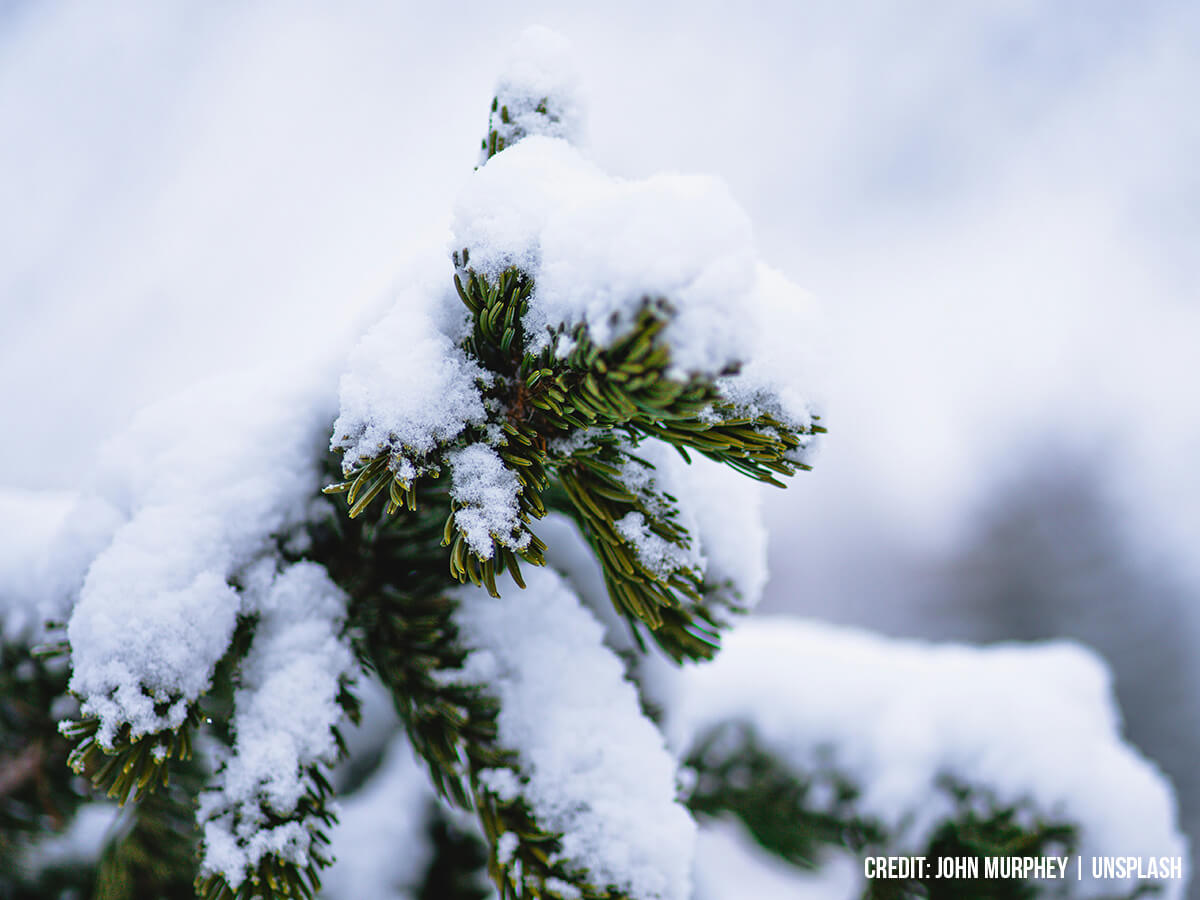
In evergreen species, the primary concern is winter desiccation, also commonly known as winter browning. Because conifers retain their needles, they continue to lose moisture through transpiration even in January. If the ground is frozen, the roots cannot replace this lost water, leading to needles that turn a brittle ginger-brown.
Diagnosing the Severity
Once symptoms are identified, the next phase is diagnosis. Not every blemish requires a radical intervention, but distinguishing between superficial stress and terminal decline is essential for giving your trees the appropriate care.
To diagnose the viability of a suspicious branch, perform a scratch test. Use a fingernail or a small pocketknife to lightly scrape away a tiny section of the outer bark. If the tissue underneath is moist and a vibrant lime green, the branch is alive and simply dormant. If the tissue is brown, dry, or shrivelled, that portion of the limb is likely dead.
For trunk cracks, assess the depth. Surface-level vertical cracks may be frost cracks, which often heal themselves as the tree expands in the spring. However, if the crack penetrates deep into the heartwood or shows signs of oozing, the structural stability of the tree may be compromised. In the case of evergreens, if the terminal leader (the main upward-growing tip) is brown and brittle, the tree may lose its vertical symmetry, necessitating a more complex training repair later in the season.
The Repair Protocol: Strategic Pruning and Care
Repairing winter damage is a surgical process; knowing when, exactly, to prune is integral for your trees’ health. The goal is to remove damaged tissue while preserving as much of the tree’s natural energy reserves as possible.
Addressing Broken Limbs
For branches that have snapped under ice, the primary objective is to create a clean collar cut. The aim is to avoid leaving a long stub, as stubs cannot heal and will eventually rot, providing an entry point for fungi. Conversely, it’s just as vital not to cut flush against the trunk. Locate the branch bark ridge (this is the slightly swollen area where the branch meets the trunk) so you can cut just outside of it. This allows the tree to form a callus, a natural protective seal. If a large limb has been lost, ensure the remaining wound is smooth; jagged wood holds water and accelerates decay.
Managing Sunscald and Frost Cracks
If you find areas of bark that have peeled away due to sunscald, use a sharp, sterilized knife to carefully trim away any loose, dead bark hanging from the edges of the wound. Always refrain from painting the wound with tree dressings or tar. Modern arboriculture suggests that these products actually trap moisture and bacteria. Instead, let the tree’s natural compartmentalization process take over.
Rehydrating the Root Zone
Soil often remains frozen longer than the air, leading to a lingering moisture deficit. Once the frost has fully left the ground, provide a deep, slow soaking to the entire drip line of the tree; this is the area directly under the outer circumference of the branches. Applying roughly 20 to 30 millimetres of water can help flush out any road salt that may have accumulated in the soil from nearby sidewalks or driveways, which is particularly toxic to white pines and cedars.
Long-term Recovery and Monitoring
Repairing the physical damage is only half the battle. A tree that has survived a brutal winter is in a state of stress and will be more susceptible to pests and diseases in the coming months. Part of the post-winter autopsy is enabling yourself to protect your trees from the common winter threats that might well strike come next winter,
In the weeks following your initial repairs, monitor the bud break. If certain sections of the tree remain bare while the rest of the canopy turns green, you may have missed internal vascular damage. Additionally, avoid heavy nitrogen fertilization immediately after a hard winter. Excessive nitrogen can force a flush of tender new growth that the stressed root system cannot support. Instead, apply a thin layer of organic mulch (no more than 5 to 10 centimetres deep) around the base of the tree, ensuring the mulch does not touch the trunk itself. This helps regulate soil temperature and retain the moisture necessary for the tree to rebuild its strength.
Taking time to carry out a post-winter autopsy is just one way you can provide some TLC for your trees in particular as well as your landscape in general. Knowing these simple steps can make all the difference between a tree that slowly declines and one that thrives from sapling to shade tree.
There’s no reason your trees have to exit winter damaged or injured. At Dave Lund Tree Service, we provide professional arborist services for inspecting, pruning, and restoring your trees for the growing season. Give us a call now at (905) 884-0511 to ensure your landscape stays healthy and vibrant all year long.