

As the biting winter weather slowly but surely gives way to spring, the Canadian landscape undergoes a silent, if monumental shift. For many homeowners, however, the transition from winter to spring means more than just a change in wardrobe; it’s also the critical window during which the health of your property’s most valuable assets (i.e. your trees) is decided. After months of enduring sub-zero temperatures, heavy snow loads, and the desiccating effects of road salt, your trees are ready to break dormancy. However, waking up a landscape is a delicate process that requires more than just waiting for the leaves to pop.
This guide provides a more comprehensive guide to help you navigate this seasonal shift, ensuring your trees move from their winter slumber into a vibrant, healthy growing season.
1. The Initial Visual Inspection
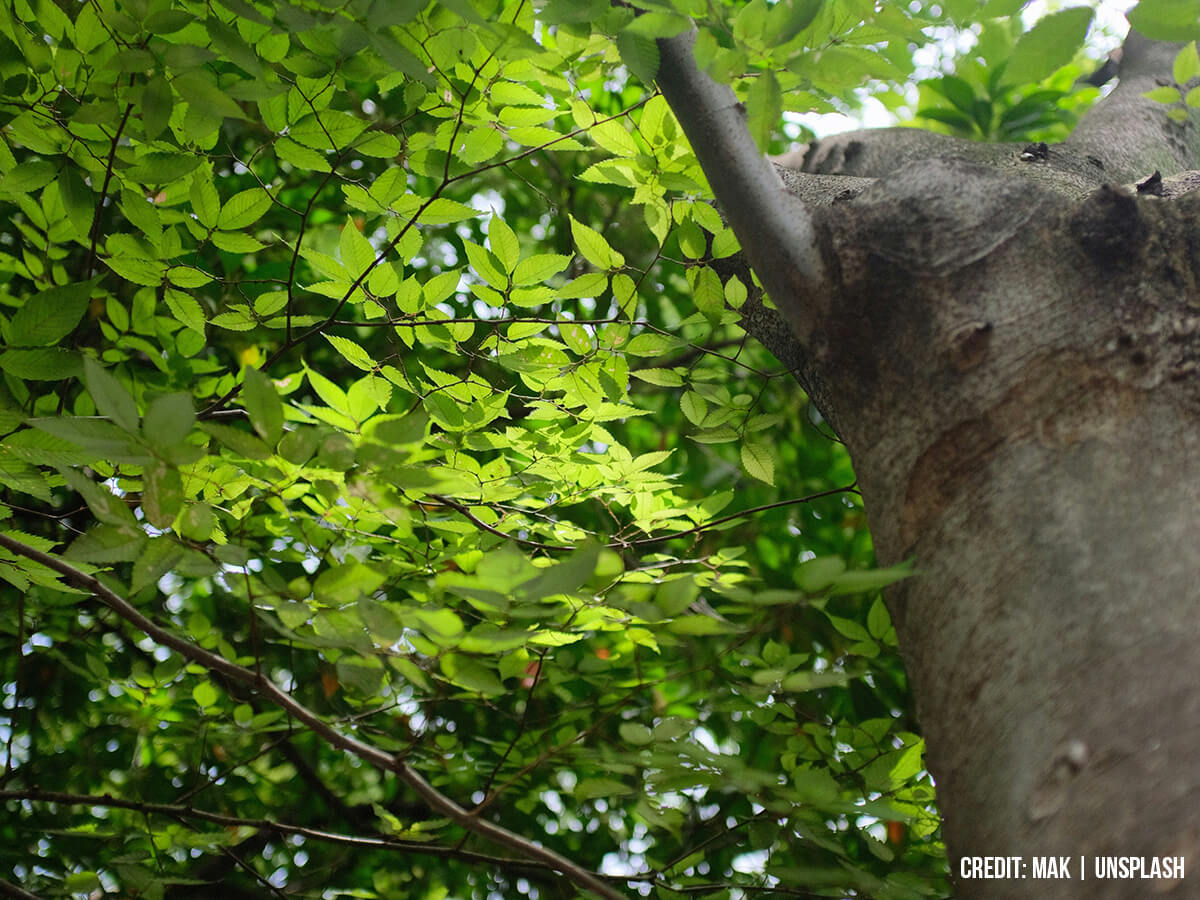
Before you ever pick up a pair of shears or a hose, the first step to any tree care approach requires a thorough walk-through of your property. Canadian winters are notoriously harsh on woody plants, and taking some time to look at your trees helps you assess any damage. You’re looking for winter kill, which often manifests as brittle, brown needles on evergreens or desiccated, shrivelled buds on deciduous trees.
Check the trunk for frost cracks; these are long, vertical splits caused by the rapid expansion and contraction of the wood during drastic temperature swings. While trees can often heal these wounds themselves, identifying them early allows you to monitor for opportunistic pests that might try to enter the sapwood as it warms. Look upward for hangers. These are branches that have snapped under the weight of ice but are still caught in the canopy. These loose branches pose a significant safety risk as the ground thaws and it becomes more comfortable to spend more time out of doors.
2. Assessing Soil Moisture and Thawing Patterns
It’s common in many places for the ground to remain frozen long after the air begins to warm. This creates a thirst crisis for trees, particularly evergreens. Because their needles continue to transpire (lose water) even in winter, they can suffer from winter desiccation if they cannot pull moisture from the frozen soil.
As the snow melts, observe how the water moves across your lawn. If you notice persistent puddles around the base of a tree, you may have a drainage issue or a frost lens trapped beneath the surface. Conversely, if the spring is particularly dry and the soil feels like dust once it thaws to a depth of 10 to 15 centimetres, then it’s time to intervene. Supplemental watering in early spring, once the ground is no longer frozen, is the single best way to jumpstart the metabolic processes required for bud break.
3. Structural and Developmental Pruning
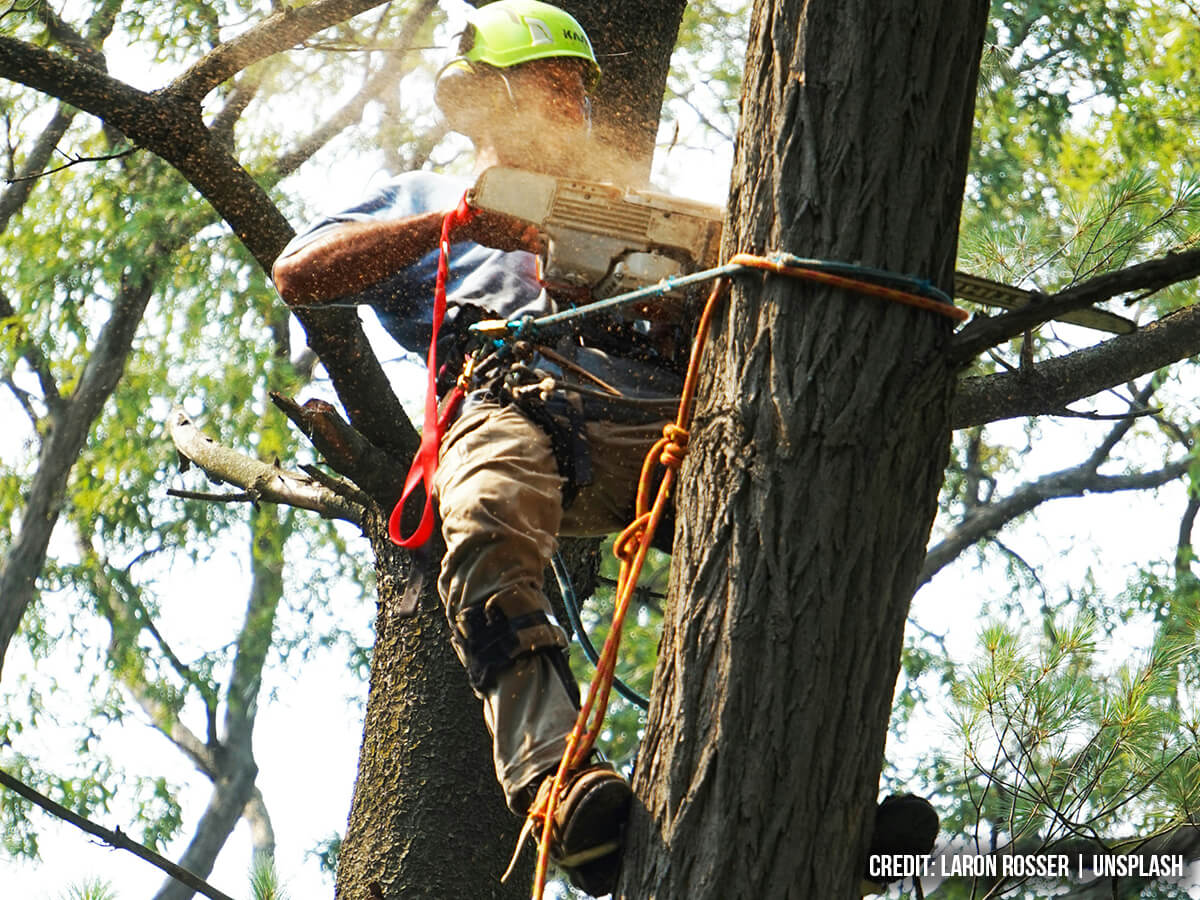
There are several times each year when pruning your trees might be prudent, but spring (and specifically the period just before the buds begin to swell) is the “Goldilocks” zone for pruning most species. Because the leaves have not yet emerged, the architecture of the tree is fully visible, making it easier to identify crossing branches, co-dominant stems (two leaders competing for the top spot), or structural weaknesses.
Focus on the “three Ds”: Dead, Damaged, and Diseased wood. Removing these sections prevents decay from spreading into the main trunk. When making your cuts, always cut back to a lateral branch or the branch collar (this is the slightly swollen area where the branch meets the trunk). Avoid topping trees, a practice that involves cutting off the top of the main leader, as this creates weak regrowth and permanently disfigures the specimen.
4. Managing Mulch Levels
Mulch is a tree’s best friend, but only when applied correctly. Knowing how to mulch your tree properly is part and parcel of proper tree maintenance. Over the winter, mulch may have shifted, or rodents may have burrowed into it for warmth. As part of your spring transition, pull back any mulch that is touching the bark of the tree. This area is known as the root flare, and your tree needs it clear to breathe properly. Mulch volcanoes (piles of wood chips heaped against the trunk) trap moisture against the bark, leading to fungal rot and providing a highway for wood-boring insects.
Ensure your mulch ring extends at least 1 metre from the trunk, ideally reaching out to the drip line (this is the edge of the outer canopy). A fresh layer of organic mulch, approximately 5 to 10 centimetres deep, will help regulate soil temperature as the days fluctuate between freezing nights and warm afternoons.
5. Addressing Salt Damage and Soil Flushing
If your trees are located near a driveway, sidewalk, or roadway, then they’re very likely to have been exposed to de-icing salts (sodium chloride). Salt is toxic to most tree species; it pulls moisture out of the roots and prevents the tree from absorbing essential nutrients.
Once the risk of a hard deep-freeze has passed, use a garden hose to thoroughly flush the soil around these trees. You want to apply enough water to leach the accumulated salts down past the root zone. Additionally, spray down the trunk and lower branches of evergreens to wash away salt spray residue that can “burn” the foliage. This simple act of cleaning the tree can significantly reduce the stress of the spring transition.
6. The Nutrient Boost: Fertilization Strategy
Trees in a forest setting benefit from a natural cycle of leaf litter decomposition that feeds the soil. In a suburban backyard, however, many homeowners tend to rake away these nutrients. Spring is the time to replenish them. However, avoid high-nitrogen fertilizers too early in the season. If you force a flush of new, tender growth while there is still a risk of a late-season frost, that growth will likely be killed, wasting the tree’s stored energy.
Opt for a slow-release, balanced fertilizer or a layer of high-quality compost spread under the mulch. This provides a steady stream of nutrients that the tree can access as its vascular system fully awakens.
7. Dormant Oil Applications
For homeowners looking to manage pests without heavy chemical intervention, spring is the time for dormant oil. These highly refined oils are sprayed on the bark of the tree before the leaves emerge. They work by suffocating overwintering insects and their eggs, such as scale, mites, and aphids.
Timing is critical. The temperature must be above 4°C for at least 24 hours to ensure the oil spreads evenly and doesn’t freeze on the bark, which can cause tissue damage. However, a little effort now, and you can prevent a more massive pest breakout come June or July.
8. Protecting the “Early Bloomers”
Certain species, like Magnolias or Serviceberries, are eager to start the show. However, Canadian springs are notorious for false starts; a week of 15°C weather may suddenly be followed by a sudden plunge to -5°C.
If your tree has begun to show “pink bud” or “mouse ear” leaf stages and a hard frost is forecasted, consider wrapping smaller specimen trees in burlap or heavy landscape fabric. Avoid plastic, as it can trap heat during the day and cook the plant. The goal is to provide just enough insulation to protect the delicate, water-filled cells of the new growth from crystallizing and bursting.
9. Inspecting Hardware and Supports
Knowing how to stake a tree is one thing; you also have to inspect them to check that they’re still standing. If you do have any young trees that were staked over the winter to protect them from windthrow, spring is the time to check the tension. Ideally, a tree should have a small amount of sway, which encourages the development of a strong root system and a thick trunk. If the ties are too tight, however, they can girdle the tree, cutting into the bark as the tree expands in the spring.
Similarly, check any protective trunk guards used to prevent rabbit or vole damage. If the tree has grown significantly over the last year, these guards may need to be loosened or replaced to prevent constriction.
10. Planning for the Future: Planting and Replacement
Finally, spring is the season of renewal. If the winter has claimed a tree, or if you have an empty spot in your landscape, early spring is the ideal time to plant (so long as you’ve also read up on how to maintain your tree from planting to adulthood). Planting while the weather is cool and the rain is frequent allows the root system to establish itself before the heat of the Canadian summer arrives.
When choosing a new tree, consider native species that are naturally adapted to your local climate and soil conditions. Dig a hole that is twice as wide as the root ball but no deeper, ensuring the root flare remains visible at the soil surface.
By taking these steps, you do more than just tidy up your yard; you’re also acting as a steward for your local ecosystem. A well-transitioned tree is more resilient to drought, better able to fight off pests, and capable of providing shade and beauty for decades to come. As the first green haze begins to settle over the branches, you can take pride in knowing that your landscape didn’t just survive the winter, it’s ready to thrive.
Ready to give your trees a little TLC? Contact Dave Lund Tree Service today to give your trees a better shot at thriving when spring finally hits. Our team is here to help with all your tree-related needs, from pruning to pest control. Call us now at (905) 884-0511 the next time you need a hand with your trees.