
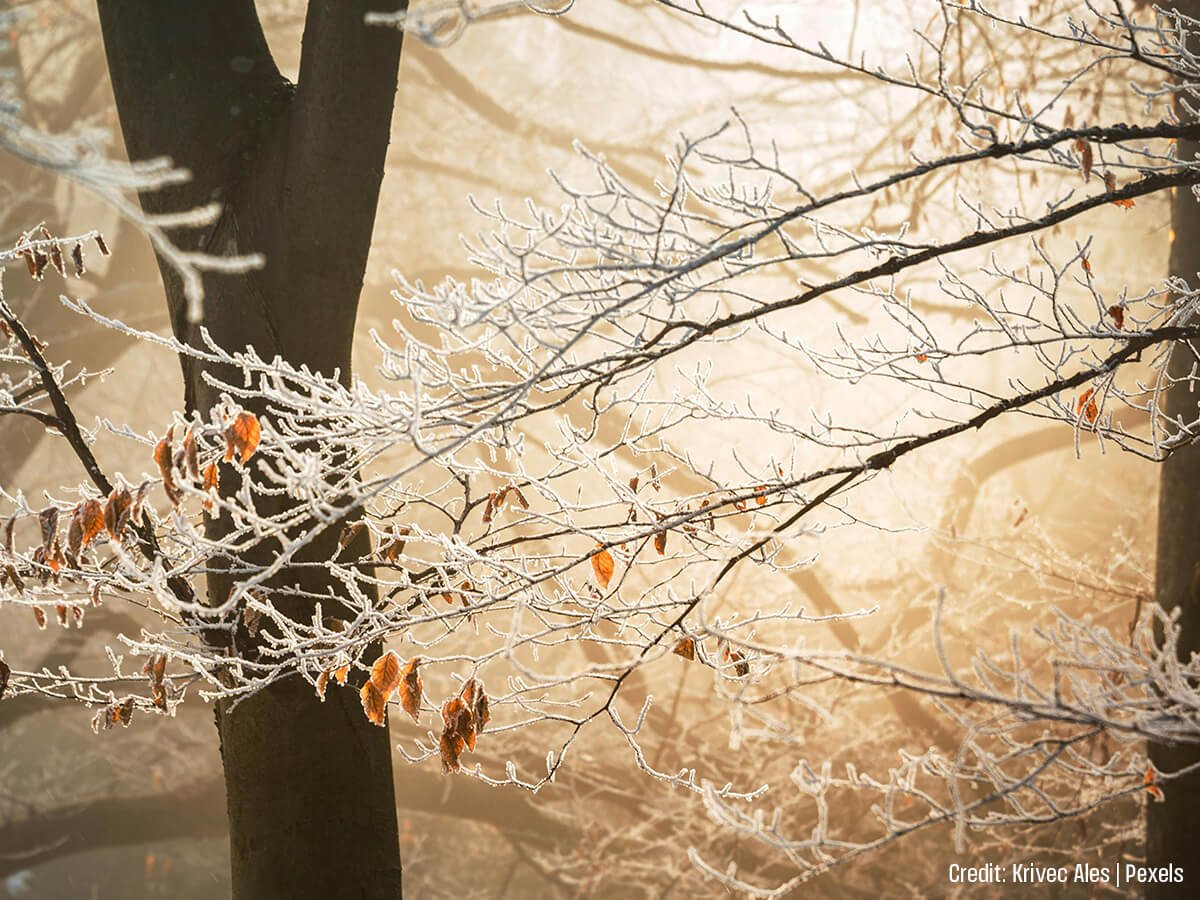
To understand why winter tree care is so beneficial, one must first understand the biology of the tree during the colder months.
When a tree enters dormancy, it is not dead; it is essentially conserving energy. During the growing season, a tree’s energy is focused on producing leaves, flowers, and fruit. In winter, that energy is consolidated in the root system and the trunk.
This energy conservation mode makes winter the ideal time for invasive procedures. When a live branch is cut during the growing season, the tree must immediately divert energy to seal the wound, often at the expense of other growth processes.
In contrast, making cuts during dormancy interferes less with the tree’s active growth cycle. As soon as spring arrives and the sap begins to flow again, the tree is primed to heal these wounds rapidly using its stored energy reserves.
Furthermore, pruning in winter minimizes the stress on the tree. Because the tree is in a resting state, it does not experience the shock that can sometimes accompany heavy pruning in the heat of summer. This physiological “anesthesia” allows arborists to perform significant structural changes without compromising the tree’s overall vitality.
The Structural Visibility in Skeletal Trees
One of the most practical benefits of winter consulting is visibility. During the spring and summer, the canopy is a thick curtain of green. While beautiful, this foliage often obscures the tree’s internal architecture. It can hide crossing branches, weak crotches, cracks, and decay that might compromise the tree’s structural integrity.
When the leaves fall, the tree’s “skeleton” is revealed. An arborist can see the entirety of the branch structure without obstruction. This clarity is crucial for making precise decisions about which limbs to keep and which to remove. It allows for a comprehensive assessment of the tree’s balance and form.
For homeowners seeking our tree pruning services in Bradford, ON, this visibility ensures that the arborist can identify structural defects that might be missed in July. They can spot “widow makers” – detached or broken branches hanging loosely in the canopy – and remove them before they fall. They can also identify rubbing branches that cause bark wounds, which are entry points for disease.
By addressing these issues when the framework is visible, the arborist ensures the tree grows into a strong, aesthetically pleasing form when the leaves return.
Disease and Pest Management
Winter offers a natural quarantine that makes tree work significantly safer for the health of your urban forest. Many tree pathogens, fungi, and insect pests are active and aggressive during the warmer months. Pruning a tree in late spring or summer releases the scent of fresh sap, which can act as a dinner bell for pests.
For example, Oak Wilt and Dutch Elm Disease are serious afflictions spread by beetles that are attracted to fresh pruning wounds. If you prune an oak tree in the height of summer, you significantly increase the risk of infection. However, in the depths of winter, these vectors (insects) are dormant or dead, and the pathogens are inactive.
By consulting an arborist in winter, you effectively bypass the transmission season. The cold air acts as a sterile field, allowing for necessary maintenance without the fear of introducing a lethal infection to your prized trees.
This is particularly important for regions with older, established tree canopies where the spread of disease can be devastating to the local ecosystem.
Mitigating Winter Storm Hazards
Winter in Ontario is beautiful, but it can also be brutal. Ice storms, heavy wet snow, and fierce winds place an enormous load on tree structures. A single cubic foot of heavy, wet snow can weigh upwards of 20 pounds. When you multiply that across the surface area of a large maple or oak, the weight burden is immense.
Consulting an arborist early in the winter season serves as a preventative measure against storm damage. A professional can assess which branches are structurally sound and which are likely to snap under the weight of ice. By reducing the length of extended limbs or thinning the canopy to reduce wind resistance, an arborist can significantly lower the risk of catastrophic failure.
This aspect of winter care is not just about tree health; it is about the safety of your property and family. A weak limb overhanging a driveway, roof, or power line is a ticking time bomb during an ice storm.
Proactive assessment identifies these hazards before the weather turns severe, saving homeowners the stress and cost of emergency removals in the middle of a blizzard.
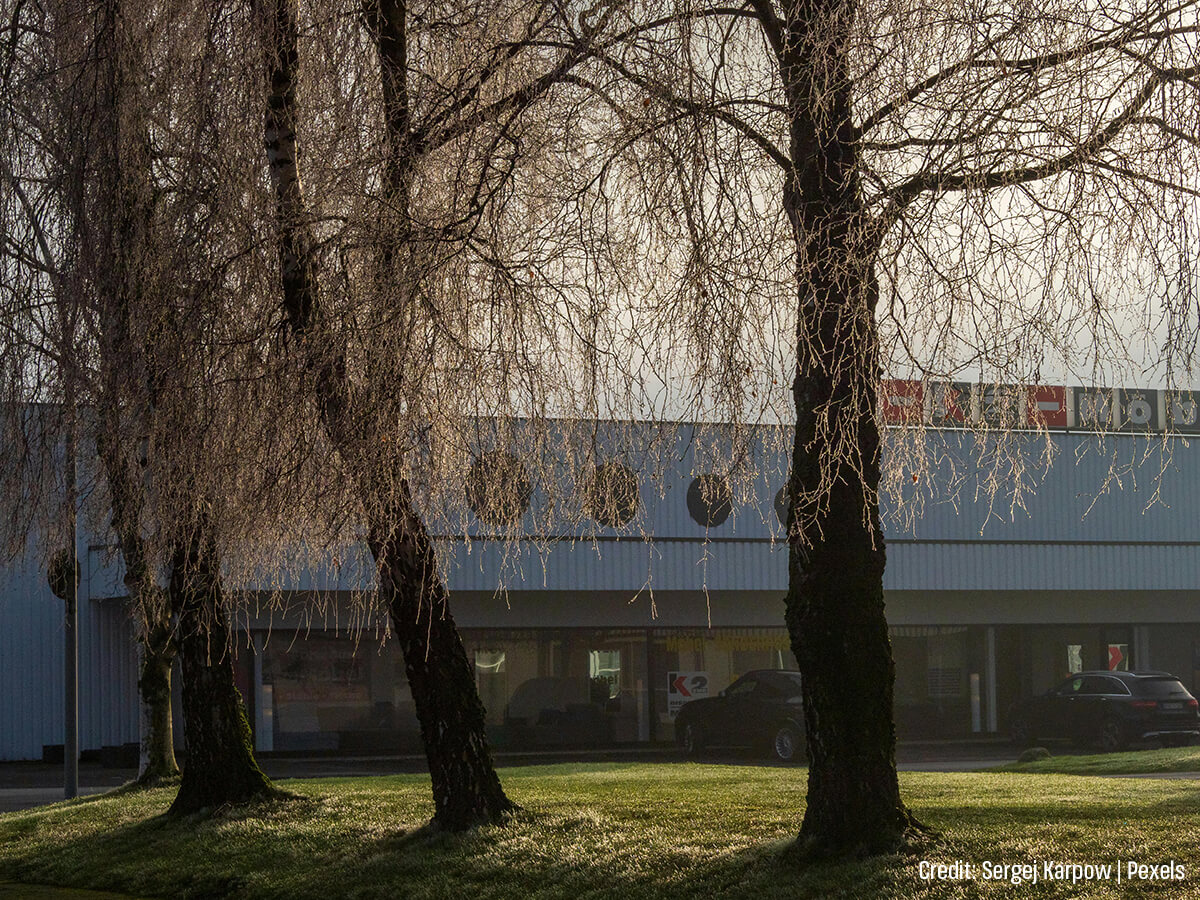
What About Hedge Maintenance in Winter?
While trees often get the spotlight, hedges are the walls of your garden room, and they require equal attention. Many homeowners make the mistake of neglecting their hedges until they become unruly and overgrown in the summer. However, winter is a prime time for structural hedge renovation.
Just like with trees, the dormancy of deciduous hedges allows for more aggressive renovation pruning without shocking the plant. If a hedge has become too tall or too wide, winter is the time to cut it back hard to reclaim its shape.
For evergreen hedges, a winter trim ensures they remain dense and tidy, preventing snow damage that can splay the branches apart and permanently ruin the hedge’s form.
Our hedge trimming services are particularly beneficial in the colder months because they prepare the plants for a burst of healthy, dense growth in the spring. A well-maintained hedge provides a windbreak in winter and privacy year-round.
Neglecting this in winter often leads to a “hollow” look in spring, where the outer leaves grow vigorously while the inner structure dies back from lack of light. Winter trimming maintains the taper and density required for a healthy, robust hedge.
Protecting the Landscape Below
Tree work involves heavy equipment. Woodchippers, bucket trucks, and log loaders are heavy machines that can wreak havoc on a soft, wet spring lawn. One of the unsung benefits of winter tree service is the condition of the ground.
When the ground is frozen, it forms a protective concrete-like barrier over your lawn and garden beds. Heavy machinery can move across the property with minimal impact. There are no ruts left in the grass, and soil compaction – which can suffocate grass and plant roots – is significantly reduced.
This allows arborists to access trees that might be difficult to reach in the summer without causing collateral damage to your landscaping. For homeowners who take pride in their pristine lawns, scheduling major tree work during the freeze is a strategic move to preserve the aesthetic of the entire yard.
Arborist Efficiency and Availability in Winter
Spring is the “rush hour” of the arboriculture world. As soon as the buds break, phones at tree service companies ring off the hook. Scheduling an appointment can take weeks, and emergency services come at a premium.
Winter, by contrast, is often a more manageable season for scheduling. While top-tier arborists work year-round, the reduced volume of casual inquiries means that clients can often secure appointments faster. This efficiency is ideal for homeowners who want to ensure their property is ready for the coming year without the wait times associated with the spring rush.
Why Do I Need Professional Assessment?
It is tempting for the handy homeowner to look at a dormant tree and think, “I can handle that with a ladder and a chainsaw.”
However, winter conditions make DIY tree work exceptionally dangerous. Frozen wood reacts differently from green wood – it can snap unpredictably. Ladders on icy or frozen ground are unstable, and the brittle nature of cold branches adds a layer of unpredictability to the cutting process.
Furthermore, distinguishing between a dead branch and a live dormant branch requires a trained eye. To the untrained observer, a leafless branch looks dead, but an arborist checks for bud viability and bark texture. Mistakenly removing live wood because it “looked dead” can disfigure a tree and stunt its spring growth.
This is why our professional tree service in Richmond Hill and surrounding areas is indispensable. Certified arborists bring not only the safety equipment required for winter work – such as proper rigging to handle ice-covered logs – but also the botanical knowledge to make cuts that benefit the tree.
We understand the specific needs of local species, from the majestic Oaks and Maples to the ornamental serviceberries and dogwoods, ensuring that the care provided is species-specific and scientifically sound.
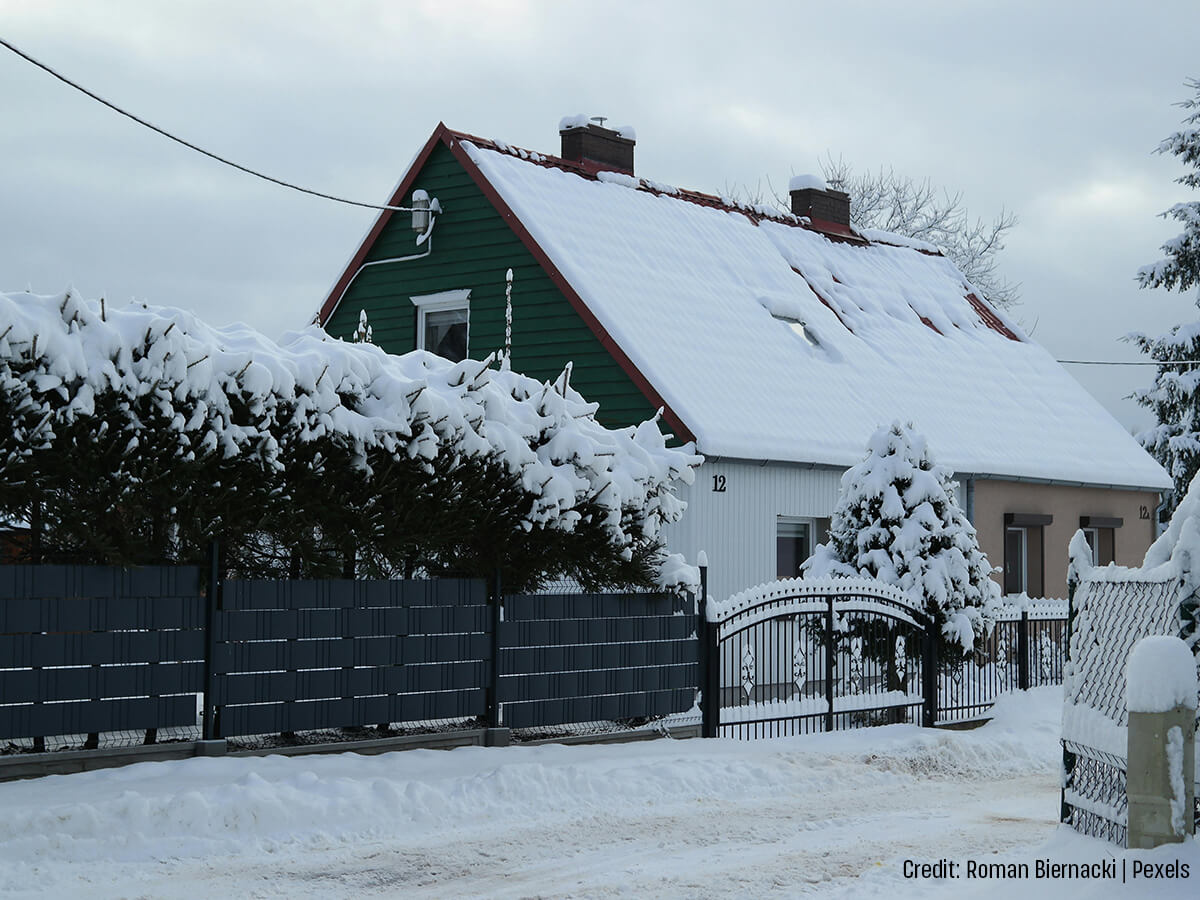
Preparing for Spring Growth
The ultimate goal of winter tree care is to set the stage for spring.
A tree that has been properly pruned, inspected, and treated in winter does not have to waste energy fighting pests or healing jagged tear wounds from storm damage when the weather warms. Instead, it can direct all its energy into vibrant new growth, robust flowering, and developing a lush canopy.
Winter care is an investment in the future. It is about foresight—seeing the potential hazards before they happen and understanding the biological rhythms of nature. It transforms the winter landscape from a frozen tableau into a period of active management and improvement.
For expert winter tree care that prioritizes safety and plant health, trust the local professionals who understand the unique challenges of the Ontario climate.
Protect your trees and your property this winter. Contact Dave Lund Tree Service today for a consultation. Call (905) 884-0511