
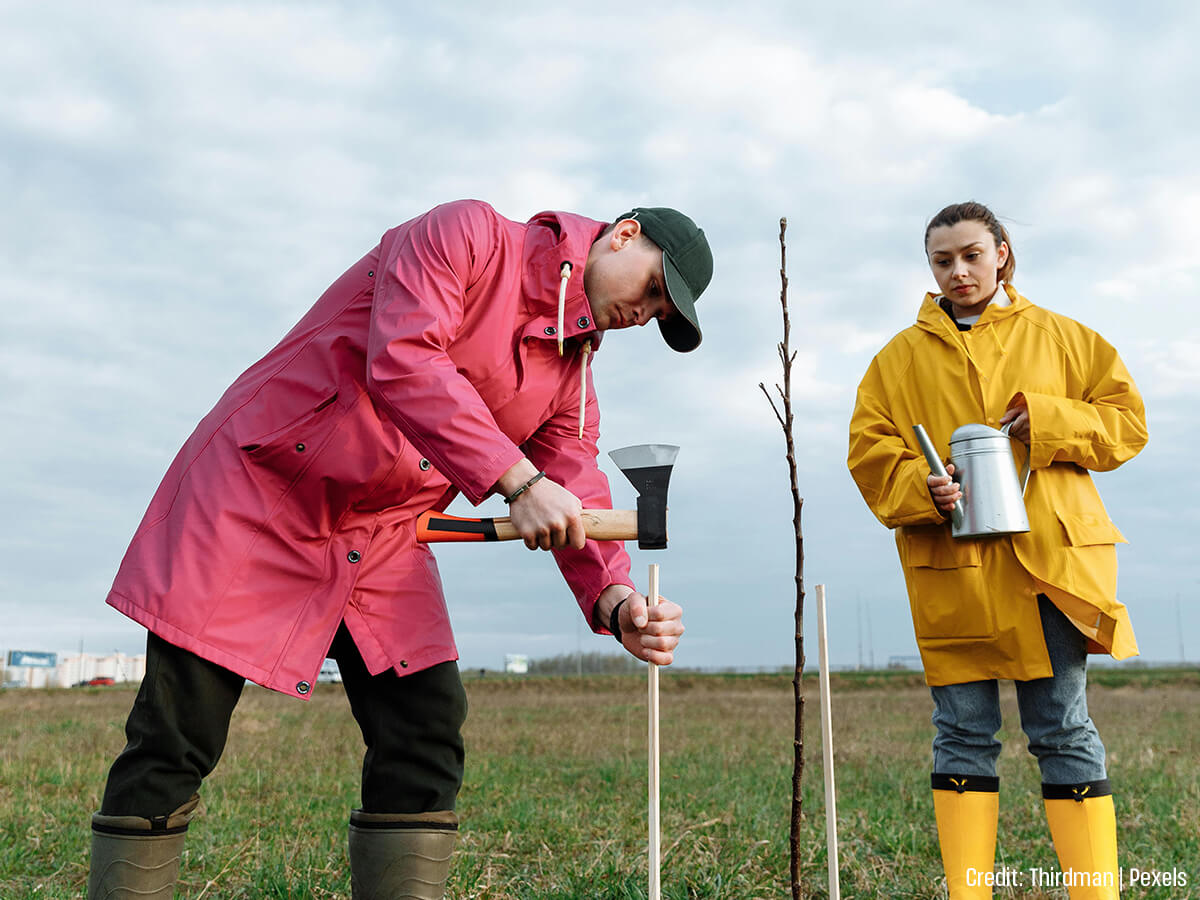
There are plenty of reasons why a homeowner might plant a tree: for the shade, for the potential fruits, for the boost to curb appeal, or perhaps for the sheer aesthetic of a beautiful tree in the yard. And like any investment, the act of planting a tree is a major undertaking and not a passive one by any means. Like any worthwhile endeavour, raising a healthy, vibrant tree from a tender sapling to a majestic shade tree requires thoughtful and consistent care throughout its long life. This journey is one you take alongside your tree, and with enough effort it can be a rewarding one too, if only for the simple yet profound satisfaction of nurturing a life in your garden. Let us explore the lifelong commitment of care that will allow your green investment to flourish.
The First Steps: Selection and Planting for a Strong Foundation
The journey of a thousand seasons begins with a single, well-chosen sapling and a properly prepared home. The care you take in these initial stages goes a long way toward ensuring your tree’s future health and vitality.
1. Choosing the Right Tree for the Right Place:
Before you even break ground, consider the unique characteristics of your property. How much sunlight does the area receive? What is the quality of your soil? Are there overhead power lines or underground utilities to consider? Taking the time to ensure conditions are ideal for the tree is essential for giving it a strong start.
Another consideration is which tree you’re planting. Selecting a native Ontario species ensures your tree is well-suited to your local climate and soil conditions. Native species are often an excellent choice as they are already adapted to the regional environment, requiring less intervention in the long run. Consider the mature size of the tree as well; a species that will grow to 20 metres in height needs ample space to spread its branches and roots without encroaching on buildings or walkways.
2. Digging the Perfect Home:
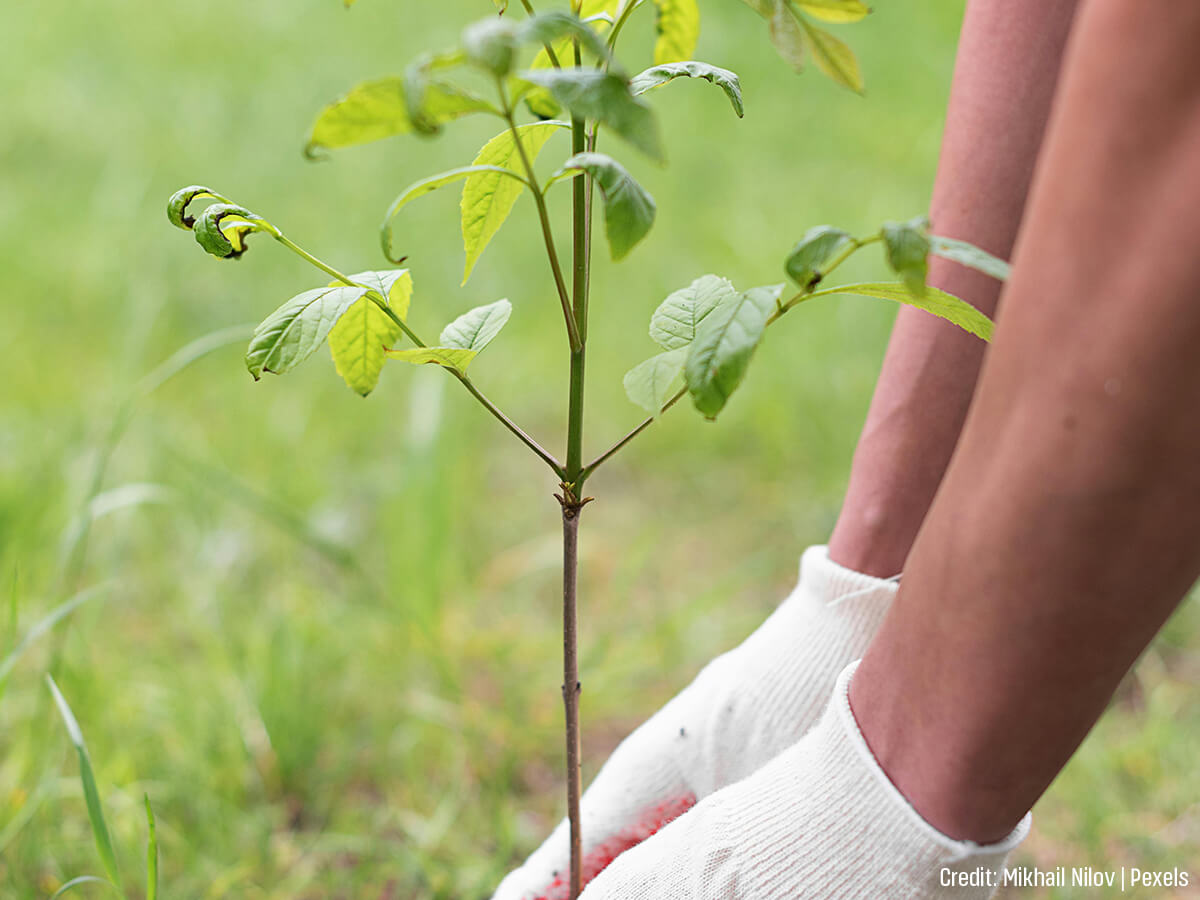
Once you have selected your sapling, it is time to prepare its new home. Prepping your site properly is key to helping the tree take root right away. Dig a hole that is two to three times wider than the root ball, but no deeper. The goal is to provide loose soil for the roots to expand into, not to sink the tree. Make sure the top of the root ball is level with (or slightly raised above) the surrounding ground as well.
3. The Gentle Art of Planting:
Once you reach the actual planting stage, remove the sapling from its container. If the roots are tightly wound in a circular pattern, gently prise them apart. This step helps the roots spread out after planting, encouraging outward growth and the development of a stable root system. For trees in burlap, remove any twine and as much of the burlap as possible once the tree is in the hole. Place the tree in the centre of the hole, ensuring it is standing straight.
4. Backfilling with Care:
Use the soil you originally removed from the hole to backfill around the root ball. There is no need to add amendments to the soil; the tree must learn to adapt to its native environment. Gently tamp down the soil to eliminate any large air pockets, but avoid compacting it, which can hinder root growth.
5. The First, Essential Drink:
Once the hole is filled, water the tree thoroughly. This helps to settle the soil and provides much-needed moisture to the roots as they begin to establish themselves in their new environment.
The Formative Years: Nurturing Your Young Tree
The first few years of a tree’s life are a critical period of establishment; as such, knowing how to nurture them properly from the very start is key to helping them thrive. Consistent care during this time will ensure your sapling develops a strong root system and a sturdy structure, setting it up for a long and healthy life.
1. Consistent Watering is Key:
Young trees are thirsty. For the first few years, they will require regular and deep watering, especially during dry periods. Aim to provide a slow, deep soaking of the root zone once or twice a week, allowing the water to penetrate at least 20 to 30 centimetres into the soil.
2. The Magic of Mulch:
Apply a layer of mulch, preferably organic mulch such as wood chips or shredded bark, around the base of the tree. A layer of about 5 to 10 centimetres is ideal, extending out to the edge of the tree’s canopy. Mulch helps to retain soil moisture, suppress weeds that compete for nutrients, and regulate soil temperature. Be sure to avoid piling the mulch against the trunk; instead, leave a small area around the trunk clear of mulch. This step helps prevent moisture from accumulating against the bark, which can lead to rot.
3. To Stake or Not to Stake:
Staking is a help for young trees, but it isn’t always necessary. As a rule of thumb, it should only be done if the tree is unable to support itself. If you do need to stake your tree, use soft, flexible ties and remove the stakes as soon as the tree is strong enough to stand on its own, typically after one to two years. The movement of the trunk in the wind helps it to develop strength.
4. The First Pruning for Structure:
In the early years, pruning should be minimal. The focus is on removing any dead, damaged, or crossing branches. The goal is to establish a strong central leader (the main upward-growing stem) and a well-spaced framework of branches. This early structural pruning will prevent problems later in the tree’s life.
The Mature Years: Maintaining a Majestic Presence
As your tree matures, its care requirements will change. It is now a resilient and established part of your landscape, but it still benefits from regular attention to maintain its health and beauty.
1. Watering in Times of Drought:
While a mature tree has an extensive root system and is more drought-tolerant, it will still appreciate a deep watering, particularly during prolonged dry spells. A healthy, well-hydrated tree is better able to withstand pests and diseases.
2. Pruning for Health and Safety:
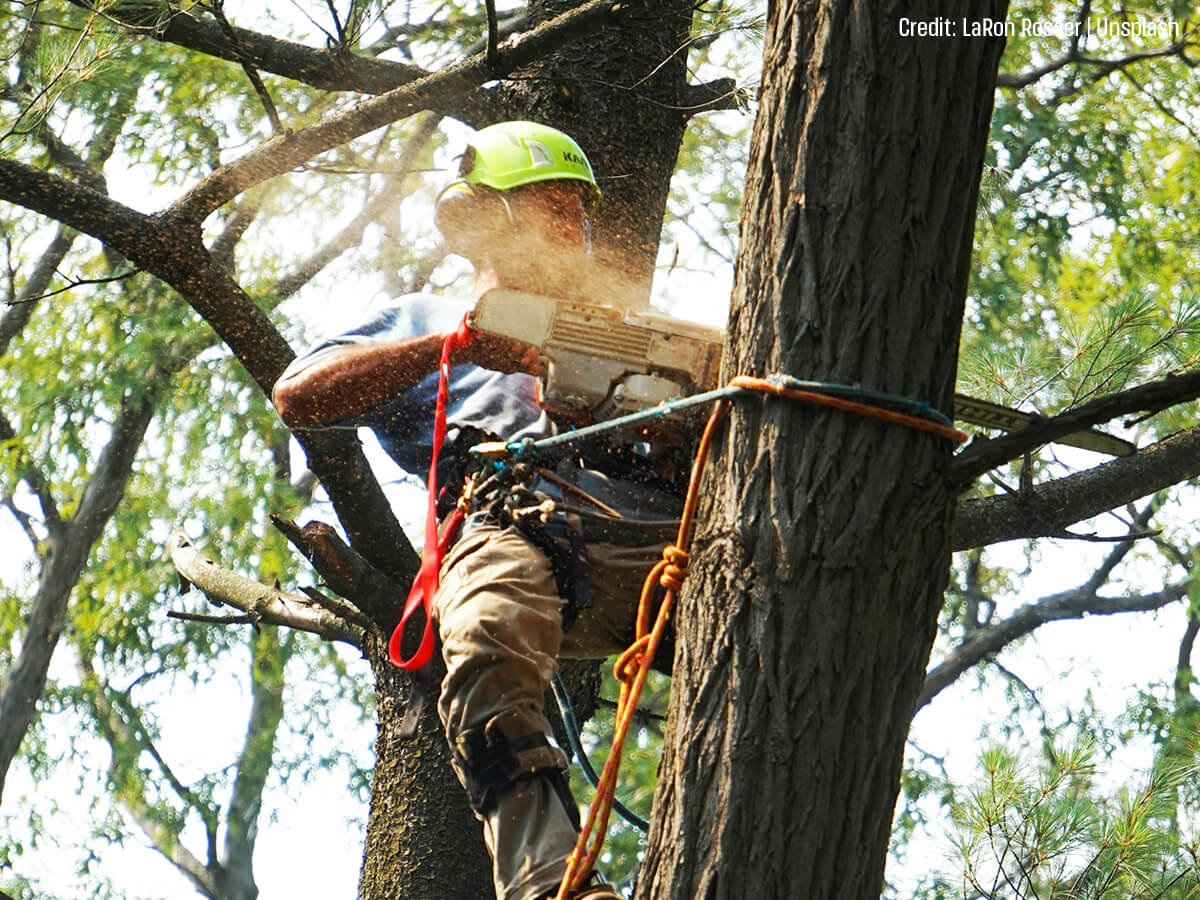
Pruning a mature tree is best left to a certified arborist; not only do they know how to do the work safely, they also have the training to prune for maximum healthiness and beauty. They have the expertise to safely remove dead or diseased branches, thin the canopy to improve light penetration and air circulation, and identify any potential structural weaknesses. Regular, professional pruning can extend the life of your tree and ensure the safety of your property.
3. Monitoring for Pests and Diseases:
Keep an eye out for any signs of trouble, such as discoloured leaves, unusual growths, or insect infestations. Early detection is crucial for managing pests and diseases effectively. A healthy tree is its own best defence, but sometimes intervention is necessary.
4. Protecting the Root Zone:
The area beneath the tree’s canopy is a critical zone. Avoid compacting the soil with heavy foot traffic or equipment. The roots in this area are vital for absorbing water and nutrients.
The Golden Years: End-of-Life Care and Legacy
All living things have a natural lifespan, even trees. As your tree enters its final years, your role as its caretaker evolves once more.
1. Recognizing the Signs of Decline:
Signs of an aging tree can include a thinning canopy, significant deadwood, and the presence of fungal growth on the trunk. It is important to have a certified arborist assess the tree’s structural integrity, especially if it is located near your home or other structures.
2. Prioritizing Safety:
A declining tree can become a hazard. An arborist can help you determine if the tree can be safely maintained through pruning or if removal is the most responsible option.
3. Honouring the Legacy:
The end of one tree’s life can be the beginning of another. Consider planting a new sapling in its place, allowing the legacy of a green companion to continue. The wood from the removed tree can also be repurposed into mulch for your garden or other creative projects, returning its nutrients to the earth.
In some ways, taking care of a tree is like taking care of a beloved pet. You chose this one out of all the others, you raised it from when it was young, and when it goes it feels like you’ve lose one of the family. And so, it’s important to know how to give your tree the care and attention it deserves, as you would for a beloved pet. With this guide, you know a little more about what it takes to care for your tree, and how to ensure you make the most of your investment into this beautiful tree that brings so much to your home.
When you need a hand with caring for your trees at home, give Dave Lund Tree Service a call. We provide full tree care services, from pruning to cabling and bracing to tree removal. Whenever you need a professional arborist to handle your trees safely and effectively, you can always count on us. Call us now at (905) 775-1020 when you’re looking for reliable tree care.