
As the autumn colours give way to the stark colours of winter, there remains a brief window food the the conscientious homeowner to give their landscape a little pre-winter TLC. Giving your trees year-round care is essential, but winter in particular demands extra attention to get your trees through that season. The first stirrings of winter are essentially a call to action to get that last-minute tree care done before the ground freezes solid and the first heavy snow starts to fall. Winter is the most stressful season for your landscape, but a few hours of preventative care right now can make all the difference between a tree that struggles and one that thrives come spring. And (perhaps most convenient of all) this doesn’t require too much work to get done; what the task really consists of is a little essential triage for your trees. Here are the crucial, non-negotiable tasks to tick off your list.
1. Give Them One Last Deep Drink
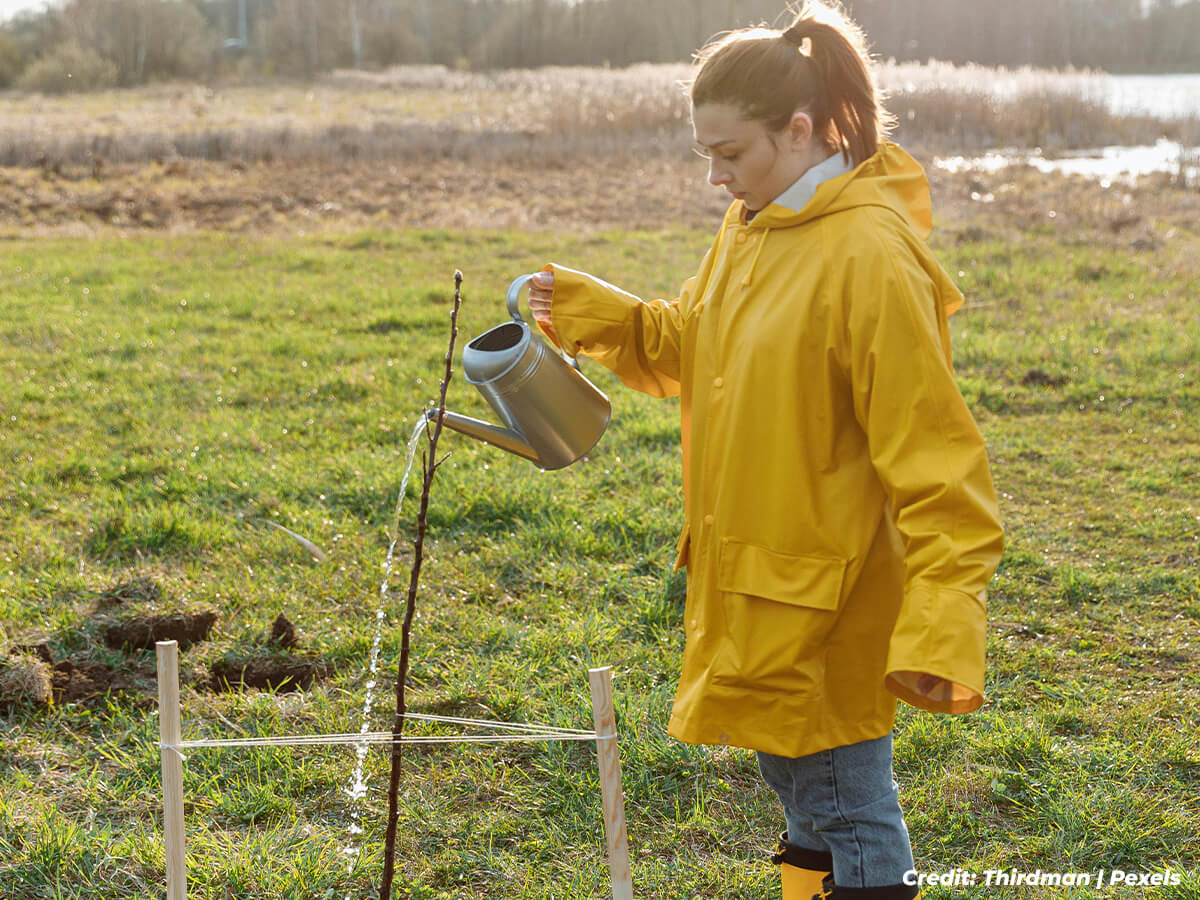
It may seem counterintuitive to water when the weather is cold and damp, but this is perhaps the most important chore you can do. The ground may not be frozen yet, but dry winter winds are coming. These winds pull moisture from foliage, especially on evergreens like pines, cedars, and rhododendrons. This is called desiccation, and it’s why evergreens often turn brown in the spring.
Before a hard frost is forecast, give every tree on your property a long, slow soaking. Use a soaker hose or let a regular hose trickle at the base, moving it around the “drip line” (the area on the ground directly under the outermost branches). You want the soil to be deeply moist, but not a swamp, several centimetres down. This final drink ensures their roots are fully hydrated before the “tap” (the frozen ground) is turned off for the winter.
2. Apply a Winter Mulch “Duvet”
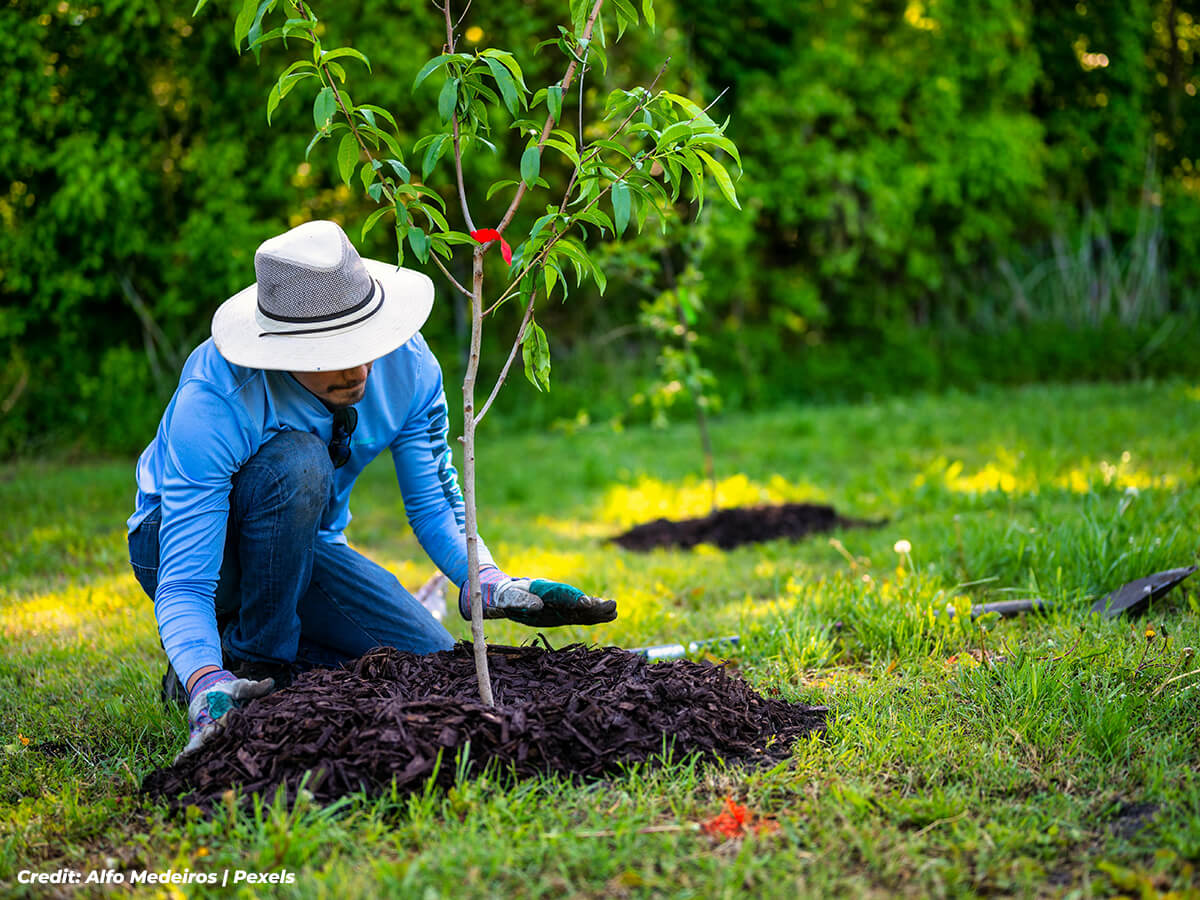
Mulch isn’t just a must for planting your tree properly, it’s also good for preserving it once it’s taken root. Mulch is one of the most ideal insulators for your tree’s root system. A healthy 5 to 10-centimetre layer of organic mulch (like wood chips or shredded bark) acts like a duvet, protecting the roots from the most damaging part of winter: the freeze-thaw cycle. When soil repeatedly freezes, thaws, and refreezes, it can heave, breaking fine roots and stressing the tree.
Crucially, refrain from piling the mulch directly against the trunk. This is a common mistake called “volcano mulching.” It traps moisture against the bark, inviting rot and disease, and provides a cozy winter home for voles and mice that will chew the bark. Always leave a small, clear ring, a few centimetres wide, right around the base of the tree.
3. Prune the Obvious Dangers
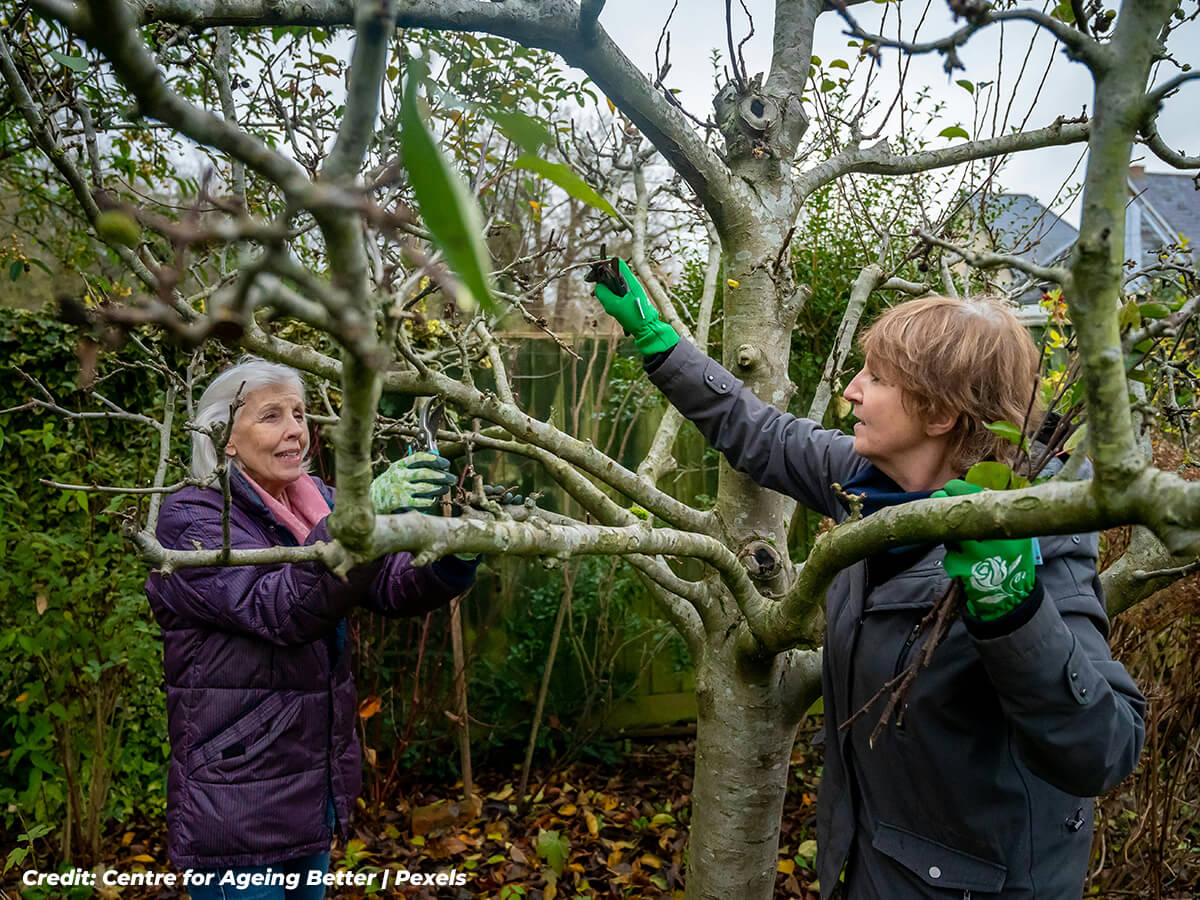
Winter is not the time for aesthetic shaping or major structural pruning. This is a safety check. Look up. You are searching for the “Three D’s”: Dead, Damaged, or Diseased branches. Heavy snow and, even worse, ice storms add enormous weight to limbs. Those weak, compromised branches are the first ones to snap.
A falling limb can damage your roof, your car, or your neighbour’s fence. Carefully remove any small, dead, or clearly broken branches you can safely reach. If you see large, dead limbs, splitting branches, or anything near power lines, do not attempt it yourself. Instead, call a certified arborist immediately to safely prune the tree for you.
4. Wrap and Protect Vulnerable Trunks
Young, thin-barked trees (like maples, lindens, and most young fruit trees) are extremely vulnerable in winter. They face two major threats. The first is sunscald (or frost crack), which happens on bright, sunny winter days. The sun heats the bark on the south-west side, and when the sun sets, the temperature plummets, causing the bark to freeze and split open.
The second threat is animals. Rabbits, voles, and deer are hungry in winter and find tender tree bark an easy meal. Gnawing a complete ring around a trunk (girdling) will kill the tree. Solve both problems by wrapping the trunk with a commercial plastic tree guard or light-coloured burlap, starting from the soil line up to the first set of branches.
5. Tidy the Base to Prevent Pests
A thick, soggy mat of fallen leaves around the base of your tree may look natural, but it’s a perfect hotel for pests and disease. Fungal spores (like apple scab and tar spot) and insect eggs will happily overwinter in that leafy debris, ready to re-infect your tree as soon as the weather warms up. Do one final, thorough rake-up from around the base of your trees, especially any diseased leaves or fallen, mummified fruit. Good sanitation is one of the easiest ways to ensure a healthier start next spring.
Knowing what to do for your trees in case of ice storms or other winter phenomena matters, but so does taking basic precautions in preparation for winter. By tackling these essential last-minute jobs, you are giving your trees (which are very often your property’s most valuable green assets) the protection they need to endure a long winter. A single afternoon of effort now ensures they are safe, hydrated, and ready to burst back into life when the thaw finally arrives.
When it comes to providing your trees with the care they need to stay healthy, Dave Lund Tree Service has your back. We provide full arborist services for homeowners like you, all in the name of providing your trees the TLC they deserve. Call us now at (905) 775-1020 for professional assistance with your trees.