
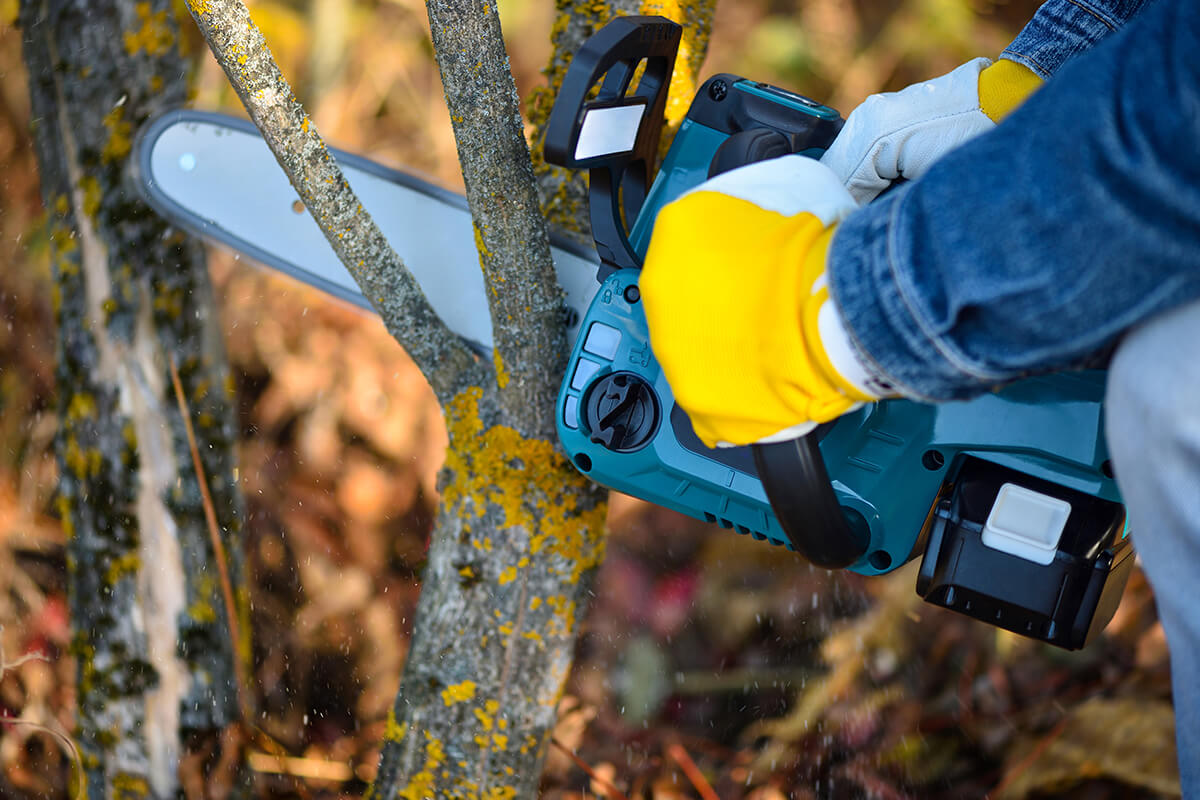
Pruning trees is a crucial part of keeping them healthy and looking their best. The timing of pruning can greatly affect a tree’s growth, flowering, and overall strength. Pruning at the wrong season may lead to disease, stunted growth, or damaged branches. Understanding the benefits and risks of fall versus spring pruning ensures your trees stay strong, vibrant, and well-shaped year after year.
Timing Matters: What Dormancy Means for Your Trees
Trees enter dormancy during cooler months when their metabolic activity slows down. This resting phase reduces stress from pruning and helps wounds heal more effectively. Understanding dormancy is key to choosing the right pruning time, whether in fall or spring.
Dormant trees have fewer active leaves and buds, making it easier to see the structure of the branches. Pruning during dormancy limits sap loss and decreases the likelihood of disease spreading. It also allows the tree to store energy for growth in the next active season.
Fall Pruning: Advantages and Considerations
Fall pruning is done after leaves have fallen and the tree is preparing for winter. This timing has both benefits and potential drawbacks. Understanding these factors will help you decide if fall pruning is suitable for your trees.
Benefits of Fall Pruning
- Disease Prevention
Pruning in the fall can reduce the risk of infections because many fungi and pests are less active during cooler months. It allows cuts to heal before new growth begins in spring, lowering the chance of disease transmission.
- Improved Tree Structure
Removing weak or damaged branches in fall helps strengthen the tree’s framework. This improves stability, which is particularly important for trees that face heavy snow or wind during winter.
- Energy Conservation
Clearing unnecessary branches allows trees to conserve energy for winter. By reducing the tree’s workload, it can store more nutrients and grow stronger when spring arrives.
Risks of Fall Pruning
- Winter Damage
Pruning too early in fall can leave trees vulnerable to frost or ice damage. Cuts made too late in the season may not heal properly before freezing temperatures set in.
- Reduced Spring Blooms
Certain flowering trees may produce fewer blooms if pruned in fall. This is because some buds for spring flowers form in late summer or early fall, which may be removed during pruning.
Spring Pruning: Advantages and Considerations
Spring pruning occurs when trees begin active growth and leaves start to emerge. This period has distinct advantages and potential risks. Choosing the right time in spring can enhance tree health and appearance.
Benefits of Spring Pruning
- Enhanced Healing
Pruning in spring allows trees to heal faster because the sap is flowing and cells are actively growing. This rapid healing reduces the risk of decay at pruning sites.
- Disease Resistance
Trees are more resistant to some diseases during spring because they are actively growing and producing natural chemicals that fight infection. Pruning at this time can reduce vulnerability compared to late fall cuts.
- Improved Aesthetics
After leaf-out, pruning allows for better assessment of the tree’s shape and canopy. You can selectively trim branches to achieve a more balanced and visually appealing structure.
Risks of Spring Pruning
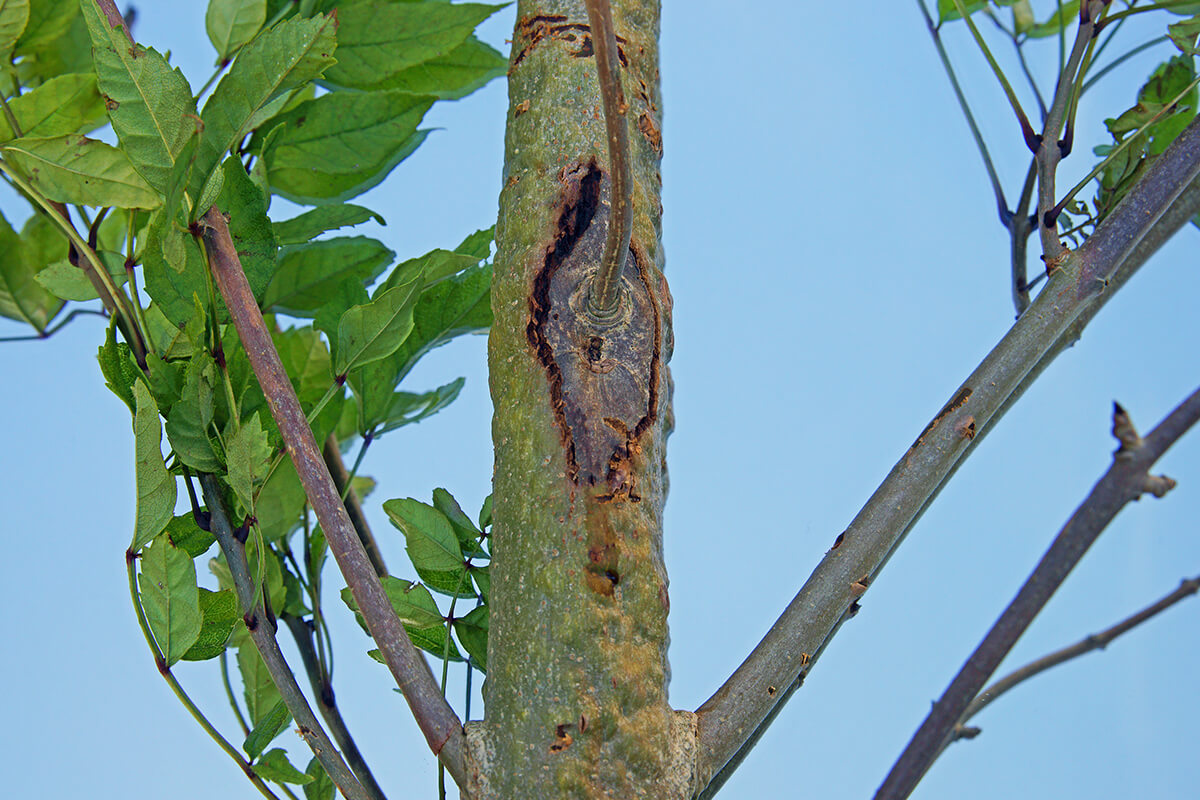
- Disease Spread
Active growth can also make trees more susceptible to certain fungal diseases. Care must be taken to sterilize tools and avoid pruning during wet conditions to minimize risk.
- Energy Depletion
Pruning before leaves are fully developed may stress the tree. It can slow growth if too much foliage is removed at once, so timing and technique are important.
Species-Specific Pruning Guidelines
Different types of trees respond better to pruning at certain times. Knowing the species can help prevent mistakes that could damage the tree.
- Deciduous trees generally benefit from late winter to early spring pruning. This timing reduces stress and supports healthy growth.
- Evergreens need minimal pruning, usually in late winter or early spring. Excessive pruning can reduce foliage density and weaken the tree.
- Flowering trees should be pruned after flowering to preserve next season’s blooms. Pruning too early can remove flower buds and affect ornamental value.
Local Considerations for Richmond Hill
Richmond Hill experiences seasonal temperature changes that affect tree growth. Understanding local climate patterns ensures pruning is done at the safest and most effective time.
The late winter to early spring period aligns with tree dormancy ending and new growth beginning. During this dry season, trees are less vulnerable to fungal infections. Native and adapted species should be pruned carefully to maintain health and appearance.
Expert Recommendations
Pruning correctly requires knowledge, the right tools, and proper technique. Following expert advice can improve tree longevity and safety.
- Consultation: Local arborists can provide guidance tailored to the species and location. They can identify weak branches, structural issues, and the best pruning schedule.
- Tools: Always use sterilized, sharp tools to prevent disease transmission. Properly maintained tools make clean cuts that heal quickly.
- Technique: Make cuts just outside the branch collar to promote healing. Avoid leaving stubs or cutting too close to the trunk, as this can lead to decay.
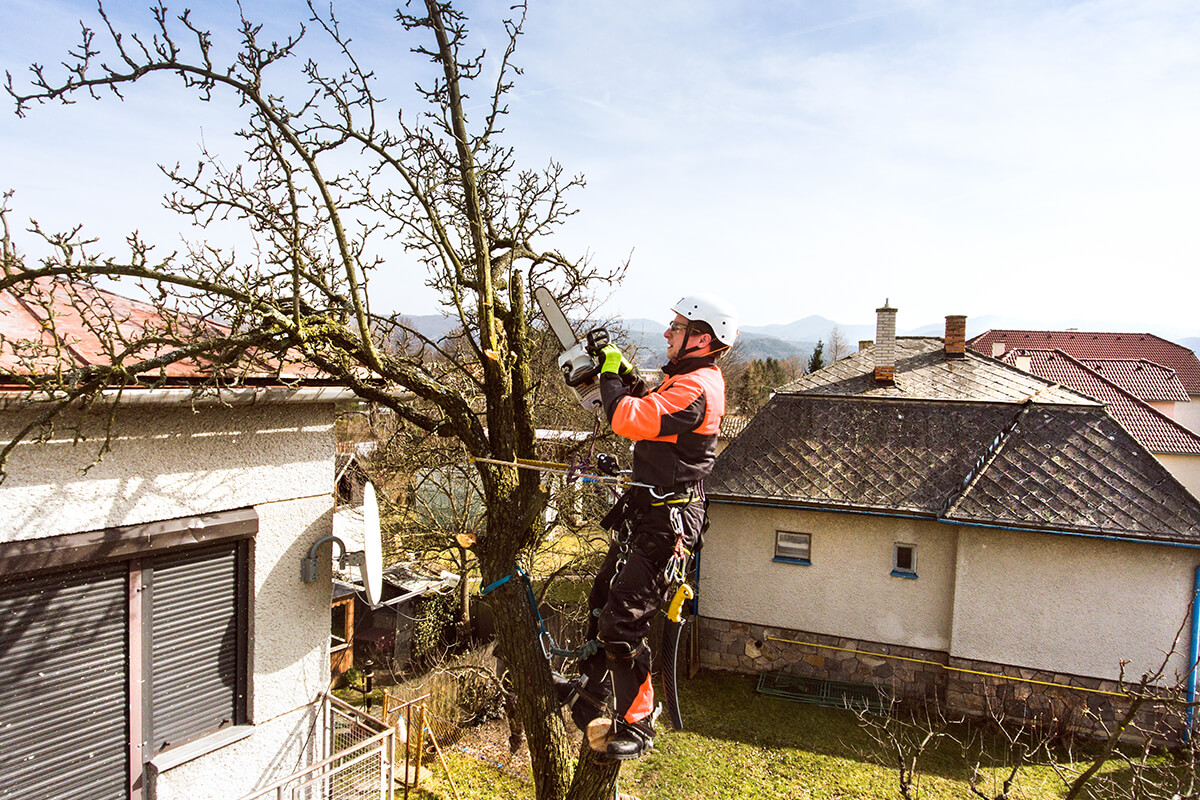
Maximize Tree Health with Seasonal Pruning from Dave Lund Tree Service
Ensure your trees are healthy and safe with professional tree pruning in Richmond Hill. Dave Lund Tree Service offers expert pruning services tailored to your tree species and seasonal needs. Proper pruning improves structure, reduces disease risk, and enhances your yard’s overall appearance.
Call us today at 905-884-0511 to schedule a consultation and give your trees the care they deserve.