Trees add beauty, shade, and value to any property, but they also need consistent care to remain safe and strong. Many homeowners notice small cracks in a tree and dismiss them as harmless surface marks.
In reality, even minor cracks can signal deeper structural problems that threaten the tree’s stability. Left untreated, these cracks may invite pests, disease, and decay, eventually leading to costly damage or dangerous situations. Addressing these issues early with professional help ensures healthier trees and safer outdoor spaces for years to come.
What Do Small Cracks in Trees Mean?
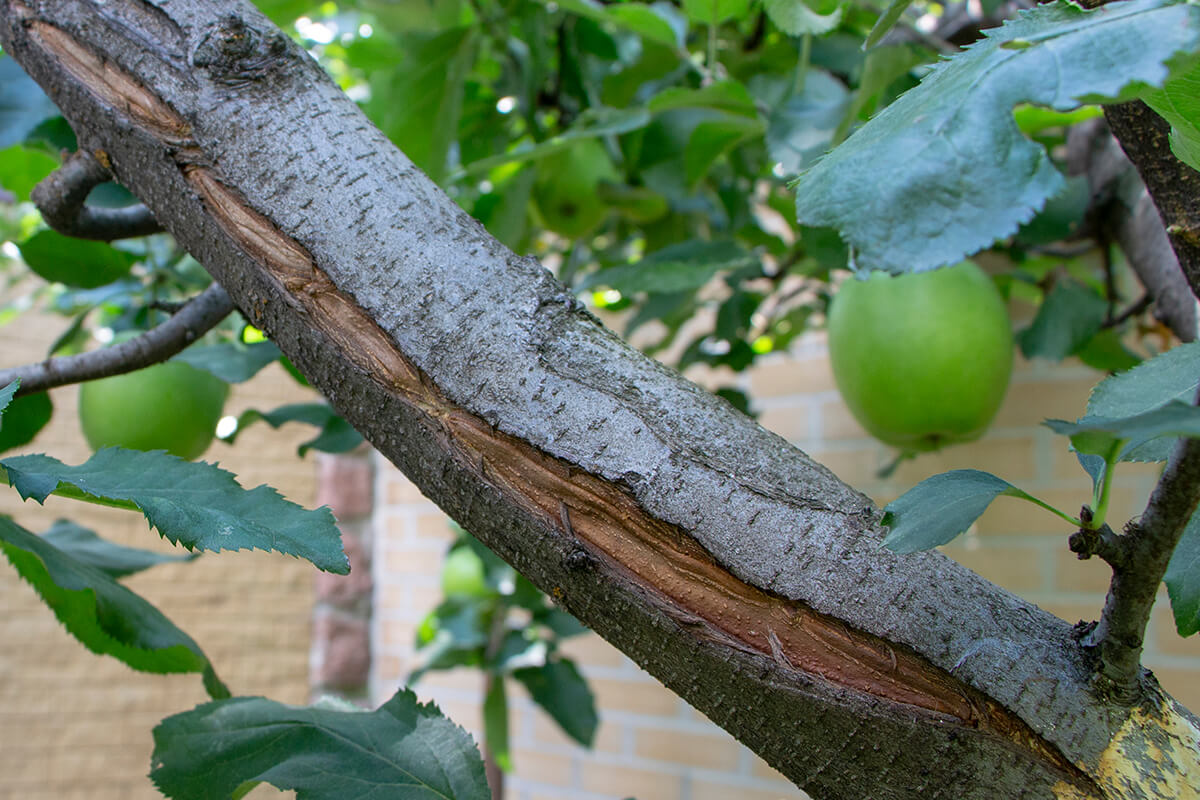
Small cracks in trees are more than surface blemishes. They can indicate stress within the tree caused by weather, poor pruning, or growth patterns. Over time, cracks weaken the structure of a tree and leave it open to other dangers.
There are several types of cracks. Vertical splits are long openings that run along the trunk and can deepen over time. Frost cracks occur when sudden temperature changes cause the wood to expand and contract, leading to breaks in the bark. Cracks can also appear where two branches grow tightly together, making the tree vulnerable to splitting. Each of these conditions compromises the stability of the tree, creating long-term risks if ignored.
Early Warning Signs That Should Not Be Ignored
Cracks are often the first sign of deeper problems. Homeowners should learn to recognize visual cues that suggest a tree may be in trouble. Taking action early is the best way to prevent costly and dangerous outcomes.
- Peeling or Falling Bark
When bark starts peeling away or dropping off, it indicates that the protective outer layer of the tree is failing. This leaves the inner wood exposed to external stressors, such as weather, pests, and disease. Over time, the tree loses its ability to defend itself, and the damage can spread deeper into its structure.
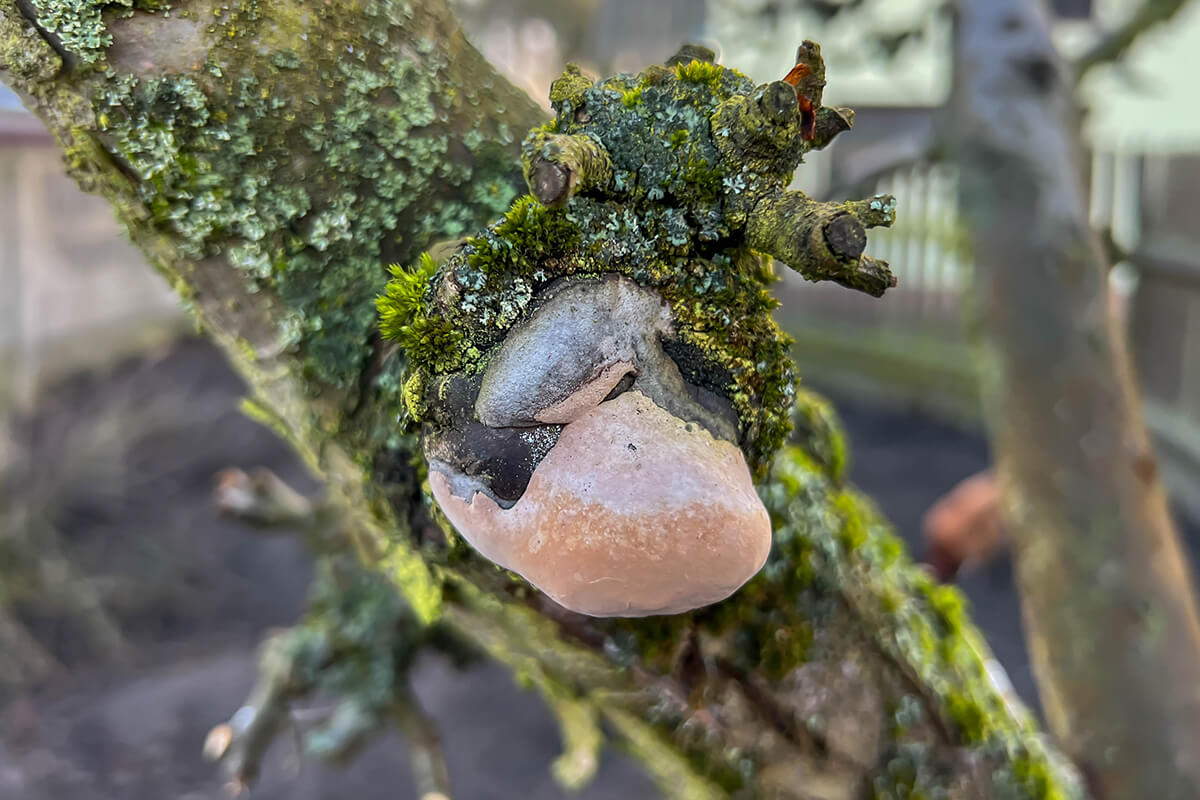
- Fungal Growth
The presence of mushrooms or fungal bodies near a crack is a sign that internal decay is already taking place. Fungi thrive on weakened or rotting wood, breaking down the fibres that provide strength. If left unaddressed, this process accelerates structural decline and makes the tree far more unstable.
- Insect Activity
Cracks often serve as an entry point for beetles, borers, and other destructive insects. As these pests burrow into the wood, they create tunnels that interfere with nutrient flow. This not only weakens the tree physically but also increases the risk of secondary infections from bacteria and fungi.
- Sudden Leaning or Drooping Limbs
When a tree begins to lean or when its branches sag noticeably, it reflects a serious imbalance in its structure. Cracks may have compromised the tree’s ability to support its own weight. This instability raises the risk of sudden failure, which could result in falling branches or even complete tree collapse.
Risks of Ignoring Small Cracks in a Tree
Small cracks may seem like minor flaws, but they can quickly turn into serious hazards if overlooked. The longer they remain untreated, the greater the risks to property, safety, and the health of the tree itself.
- Structural Weakness
Cracks undermine the natural strength of the trunk or branches, making the tree more likely to split under pressure. Over time, this can result in falling limbs or even complete tree failure.
- Increased Disease Vulnerability
Open cracks serve as entry points for fungi, bacteria, and other pathogens that accelerate decay. Once infection spreads, it can compromise the tree’s ability to heal or survive.
- Pest Infestation
Insects such as beetles and borers exploit cracks to tunnel inside the wood. Their presence not only weakens the tree further but also increases the chance of secondary damage from disease.
- Liability Concerns
A weakened tree can drop branches or topple altogether, potentially causing injury or damaging nearby property. Homeowners may then face costly repairs or even legal responsibility.
- Tree Death
When cracks and the resulting problems go untreated, the tree may eventually decline beyond recovery. At that point, removal is often the only safe option, which is far more costly than early treatment.
Common Causes of Cracks in Trees
Cracks in trees do not appear without reason, and many of the causes are linked to stress factors in the environment or human activity. By identifying the common triggers, homeowners can better understand how these issues develop and why professional care makes a difference. Below are some of the most frequent causes that contribute to tree cracking.
- Weather Conditions
Sudden temperature changes can cause wood fibres to expand and contract, creating splits along the trunk or branches. Heavy snow, ice, or strong winds add additional stress, pushing already weakened areas past their limit. Over time, repeated weather events magnify these cracks and leave the tree more vulnerable to further damage.
- Rapid Growth
Trees that grow quickly often develop internal stresses because their structural support does not strengthen at the same pace. This imbalance can create tension within the trunk, leading to fractures as the tree attempts to bear its own weight. Without intervention, cracks worsen as the tree continues to grow unevenly.
- Poor Pruning Practices
Cutting branches too close to the trunk or leaving large stubs can create weak points that eventually split. In some cases, improper pruning also shifts weight unevenly, making the tree more likely to crack during storms. These mistakes can compromise long-term health, especially if repeated over multiple seasons.
- Mechanical injuries
Damage from lawn equipment, vehicles, or construction activity often strips away protective bark and exposes inner wood. Once exposed, these areas are more susceptible to environmental stress, insects, and disease. The injuries may start small, but they frequently expand into significant cracks that threaten the tree’s stability.
How Professionals Assess Tree Cracks
Evaluating tree cracks requires more than a quick glance at the surface. Professionals rely on a range of methods to determine whether the damage is minor, moderate, or severe. These assessments ensure the right treatment plan is applied before the problem worsens.
- Visual Inspection
Arborists start by carefully examining the tree to identify cracks, measure their length, and check for signs of spreading. They also observe the tree’s overall form, looking for leaning, drooping branches, or uneven growth that may reveal deeper structural issues. This step helps establish a baseline understanding of the tree’s health and stability.
- Decay Detection Tools
Specialized equipment, such as resistance drills or sonic tomography, can be used to look beyond the surface. These tools detect hidden decay within the wood, which is often invisible to the naked eye. By mapping the internal condition of the tree, professionals can identify whether the crack has already weakened the core structure.
- Structural Evaluation
The position and depth of the crack are assessed in relation to the weight and balance of the tree. Arborists study how the crack interacts with major limbs, the trunk, and the root system to determine potential failure points. This holistic approach ensures that both immediate risks and long-term concerns are addressed in the care plan.
Professional Solutions for Trees with Cracks
Cracks do not always mean that a tree must be removed. In many cases, professionals can apply specific solutions that reduce risks and restore stability. The right approach depends on the severity of the crack and the overall condition of the tree.
- Cabling and Bracing
This method involves installing strong support systems to hold weak limbs or trunks in place. By reducing the pressure on the cracked area, cabling and bracing prevent the damage from spreading further. It also helps stabilize the tree during storms or heavy winds, lowering the chance of sudden failure.
- Pruning
Targeted pruning removes weakened or hazardous branches that place extra stress on the tree. It redirects growth to healthier sections, allowing the tree to maintain better balance and structural integrity. When done correctly, pruning not only reduces immediate danger but also promotes healthier long-term development.
- Tree Health Treatments
Fertilization, pest control, and disease management treatments strengthen the tree’s natural defenses. These measures improve nutrient absorption and reduce the risk of decay spreading from the crack. With proper care, treatments help extend the tree’s lifespan and restore overall vitality.
- Tree Removal
In cases where cracks compromise the safety of people or property, tree removal may be the only practical solution. This step is often recommended when the damage is too advanced to be corrected with other methods. Although removal is a last resort, it ensures the area remains safe from accidents caused by sudden collapse.
Frequently Asked Questions
- Are certain tree species more prone to cracking than others?
Fast-growing species such as silver maples and willows tend to develop cracks more frequently. Their rapid growth creates internal stresses that make the wood less stable compared to slower-growing species.
- How quickly can a small crack turn into a serious hazard?
The progression varies depending on factors like weather, pests, and the tree’s condition. In some cases, a seemingly minor crack can worsen within a single season if conditions are harsh.
- Does soil quality play a role in whether trees develop cracks?
Poor soil conditions, such as compacted or nutrient-deficient soil, can weaken a tree and make it more prone to cracking. Trees under stress from unhealthy soil are less resilient to environmental pressures.
Protect Your Property with Dave Lund Tree Service
Cracks in trees may look minor, but they can cause major problems if ignored. Early intervention prevents hazards, saves money, and protects both trees and property. Professional inspection is the surest way to keep your landscape safe.
Don’t wait for a small crack to become a dangerous problem. Schedule a professional assessment with Dave Lund Tree Service, the trusted provider of tree service in Markham. Our team will identify risks, provide effective solutions, and ensure your trees remain healthy and strong for years to come. Call us today at 1-800-363-0511.