
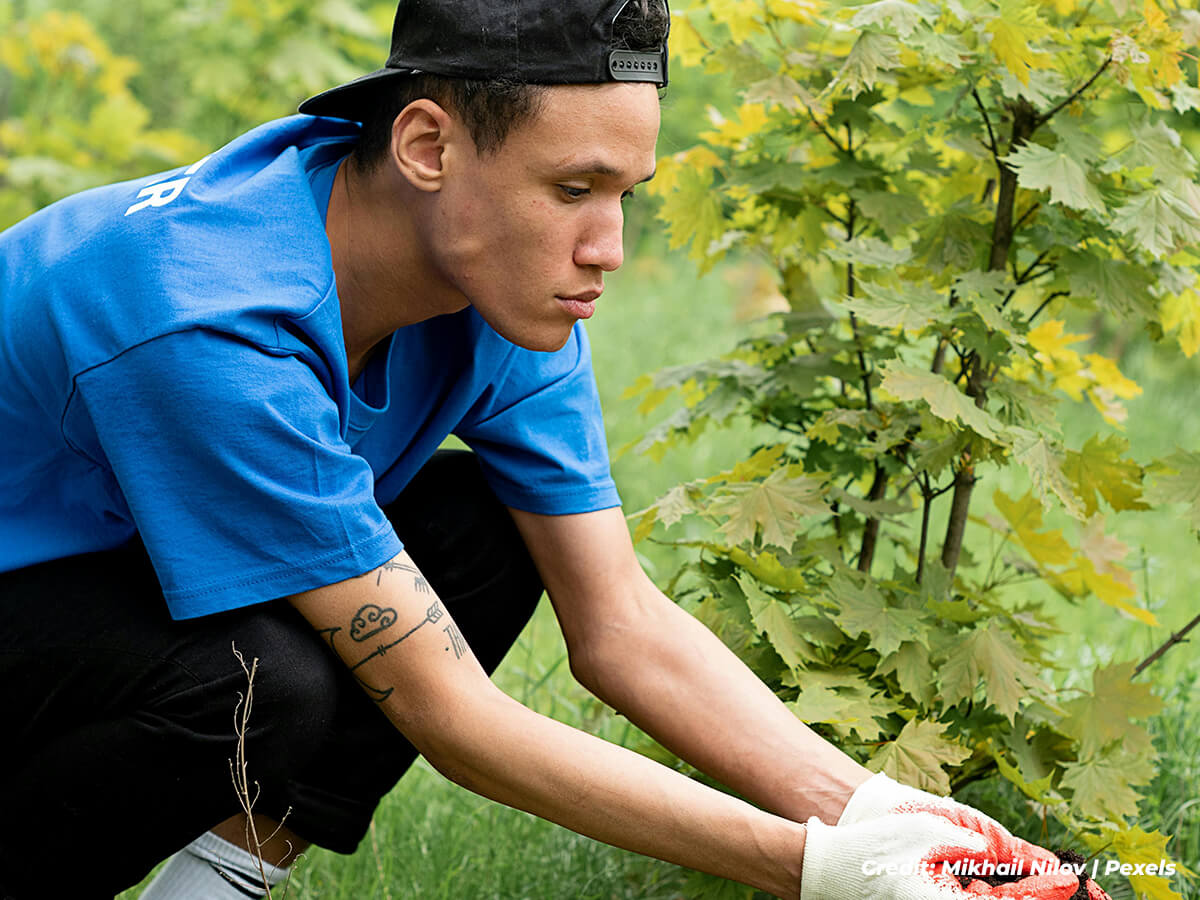
When you’ve made up your mind to get a new tree, it’s not as simple as planting it in the ground and assuming the job’s done. It takes effort and commitment to ensure your new tree takes root and starts thriving from the start. However, going from a fragile sapling to a stately, mature tree is fraught with challenges, and no period is more critical than the first twelve months in its new home. This initial year is a test of survival, a time when the young tree is at its most vulnerable and in need of close care to ensure success. The care and attention it receives during this formative period will largely determine its long-term health, vigour, and ultimate success. This guide will enumerate the essential steps to ensure your new tree not only survives but thrives in its crucial first year.
1. The Vital Role of Water: Quenching a New Tree’s Thirst
Proper watering is the single most important factor in the survival of a newly planted tree. When a tree is transplanted, a significant portion of its root system is inevitably left behind. This loss of those roots dramatically reduces its ability to absorb water, which can make it highly susceptible to drought stress. The primary goal of your watering regimen is to keep the root ball and surrounding soil consistently moist, but not waterlogged.
One of the most essential steps to planting a tree properly is ensuring you give the tree a deep and thorough soaking. This initial watering helps to settle the soil around the roots, eliminating any air pockets that could be detrimental. For the first few weeks, you should aim to water your new tree every two to three days. As the season progresses and the tree begins to establish itself, you can gradually reduce the frequency to once a week, especially during cooler weather. However, during the hot, dry spells of a Canadian summer, more frequent watering may be necessary.
The best way to determine if your tree needs water is to check the soil. Dig down about 10 to 15 centimetres and feel the soil. If it is dry to the touch, it is time to water. When you do water, do so slowly and deeply. A slow trickle from a hose for about 30 minutes at the base of the tree is far more effective than a quick, powerful spray. This ensures the water penetrates deep into the root zone, encouraging the roots to grow downwards and outwards. A general rule of thumb is to provide approximately 40 to 60 litres of water per week for every 2.5 centimetres of trunk diameter.
2. The Protective Embrace of Mulch: More Than Just a Blanket
Mulching is a simple yet profoundly effective technique for supporting a new tree. A layer of mulch (ideally organic mulch such as wood chips or shredded bark) offers a multitude of benefits that are especially crucial during the establishment phase. Applying a 5 to 10-centimetre layer of mulch around the tree’s base provides a protective barrier that conserves soil moisture by reducing evaporation. This means you will not have to water as frequently, and the tree will have a more consistent supply of moisture.
Mulch also plays a vital role in regulating soil temperature. In the summer, mulch helps keep the soil cool, which protects the sensitive new roots from extreme heat. In the autumn and winter, it helps the ground retain heat instead, insulating the roots from the harsh Canadian cold and the damaging effects of freeze-thaw cycles. Furthermore, mulch is an excellent weed suppressor, preventing competing vegetation from stealing precious water and nutrients from your new tree.
When applying mulch, it is crucial to do so correctly. Create a doughnut-shaped ring of mulch around the tree, extending out to the edge of its canopy, or drip line. Crucially, leave a gap of about 10 to 15 centimetres around the trunk itself. Piling mulch directly against the bark, a practice often referred to as “volcano mulching,” can trap moisture against the trunk, leading to rot, disease, and potential pest infestations.
3. To Stake or Not to Stake: A Question of Support
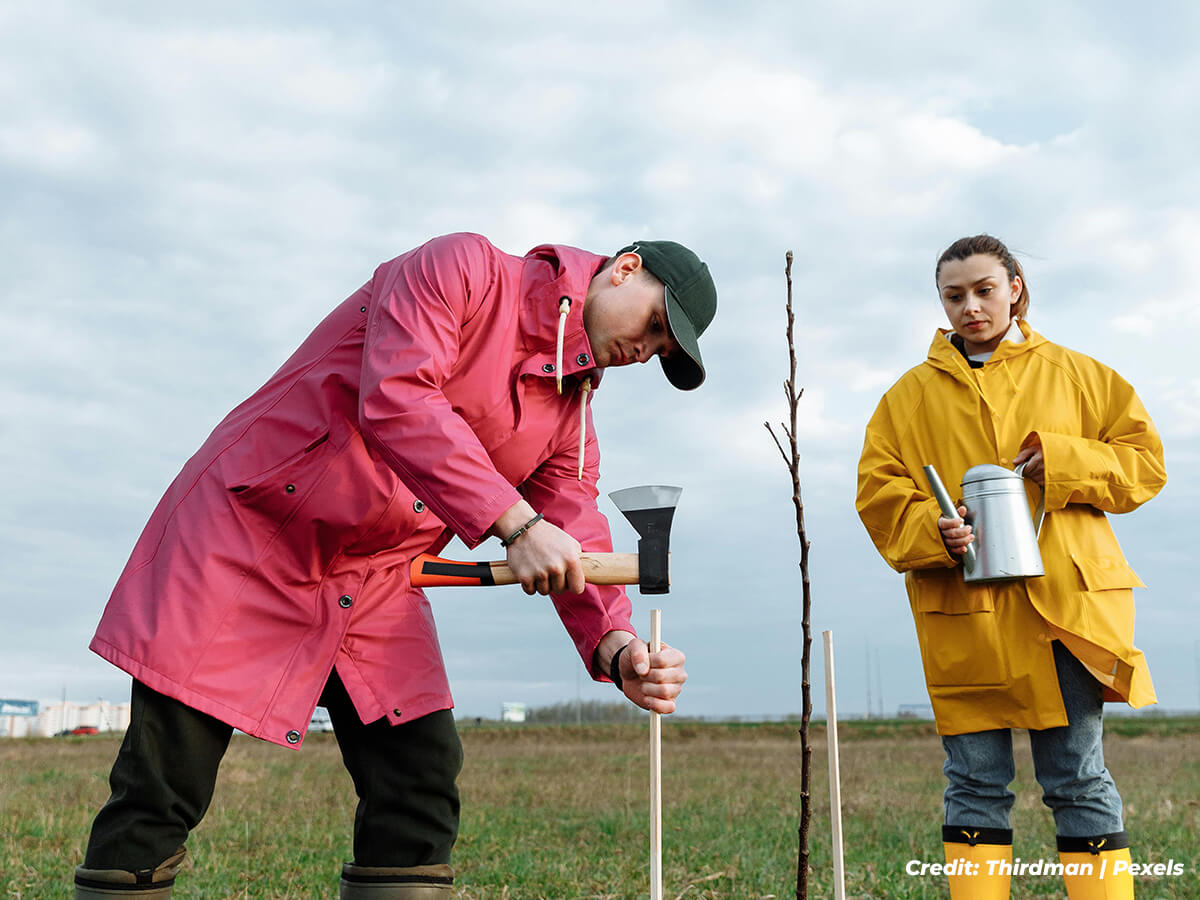
The question of whether to stake a new tree is a common one. While it may seem like a necessary step to provide support, staking is not always a required strategy for planting a tree and can sometimes do more harm than good if done improperly. The primary purpose of staking is to anchor the root ball and prevent it from shifting in the soil while the new roots are growing. It is not intended to hold the trunk rigidly in place. A tree needs to be able to sway gently in the wind to develop strong trunk taper and a robust root system.
As a general rule, only stake a tree if it is in a particularly windy location, has a disproportionately large crown for its root ball, or cannot stand upright on its own. If you do decide to stake, use two stakes placed on opposite sides of the tree, outside the root ball. Use soft, flexible materials, such as wide straps of canvas or rubber, to attach the trunk to the stakes. Avoid using wire or rope, which can cut into the bark and girdle the tree as it grows. The ties should be loose enough to allow the trunk to move slightly. It is imperative to remove the stakes after the first year. Leaving them on for too long can inhibit the tree’s ability to develop its own strength and can cause significant damage to the trunk.
4. The Pruning Pause: Letting Your Tree Settle In
Proper pruning requires a little understanding of how it affects a tree’s growth, especially in the case of young trees. When it comes to pruning a new tree, the best approach in the first year is often to do very little. The tree needs to direct all its energy towards establishing a strong root system and acclimatizing to its new environment. Leaves are the tree’s food factories, and removing them through pruning reduces its capacity to produce the energy it needs for root growth.
The only pruning that should be undertaken in the first year is the removal of any branches that are broken, dead, or diseased. These can be pruned back to the main trunk or to a healthy, outward-facing branch. Avoid any major structural pruning or attempts to shape the tree until the second or third year. At that point, once the tree is well-established, you can begin to prune for structure, removing any crossing or rubbing branches and establishing a clear central leader.
5. A Shield of Protection: Guarding Against Threats
Young trees are vulnerable to a variety of threats, from nibbling wildlife to harsh winter conditions. In many parts of Canada, deer and rabbits can cause significant damage to the tender bark of a young tree, especially during the winter when other food sources are scarce. To protect your tree, consider installing a plastic tree guard or a wire mesh cylinder around the trunk. The guard should be tall enough to extend above the expected snow line.
Winter in Canada also brings the risk of sunscald, a condition where the bark on the southwest side of the trunk freezes and cracks due to the intense fluctuations in temperature between sunny winter days and frigid nights. Wrapping the trunk with a commercial tree wrap or a light-coloured fabric in late autumn can reflect the sun’s rays and protect the bark. Remember to remove the wrap in the spring to allow the bark to breathe.
6. The Power of Observation: Your Weekly Inspection
Finally, one of the most important aspects of first-year tree care is regular inspection. Make it a habit to take a close look at your tree at least once a week. Check the soil moisture, look at the leaves for any signs of discolouration or insect damage, and examine the trunk for any wounds or abnormalities. By catching potential problems early, you can take corrective action before they become serious threats to your tree’s health.
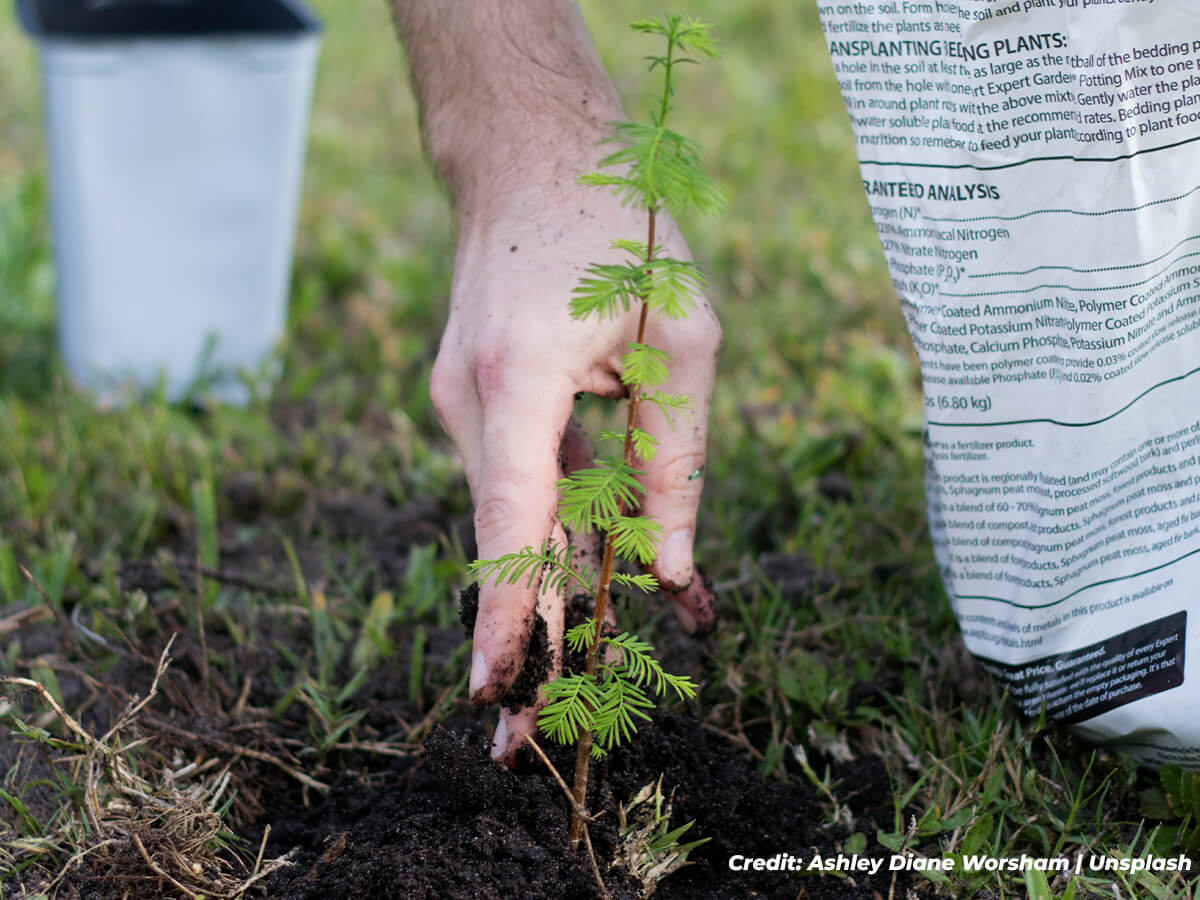
The first year is a period of intense adjustment for a new tree, and careful attention is a must to ensure it not only survives but thrives. With this consistent and correct care, you go a long way toward giving your tree a strong start once you plant in your home. The simple acts of regular care and diligence pay off considerably in years to come, and when you have a tall, healthy tree you’ll know all the effort’s been worth it.
Taking care of your trees doesn’t have to be difficult. Dave Lund Tree Service provides full tree care services to ensure your trees get the care and attention they need to thrive. Whether you need pest control or pruning for your trees, we have everything needed to ensure your trees stay healthy and safe. Call us now at (905) 880-1828 to give your tree some TLC.