
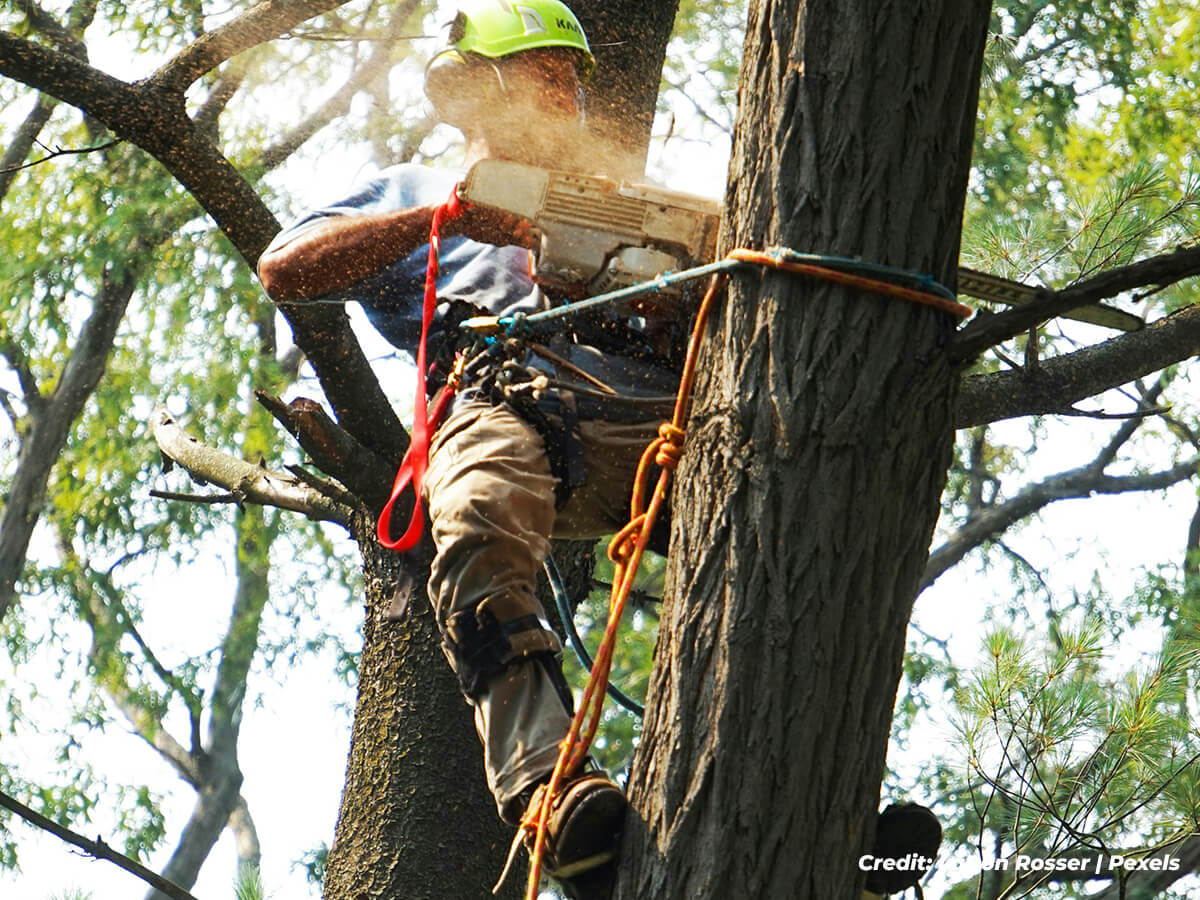
There’s no denying that trees add a splash of colour and character to a property (to say nothing of the benefits of shade and cooling that go with the aesthetic perks). All this simply means that the trees on your property are more than just part of the landscape; they are living investments that can significantly enhance curb appeal, provide shade, and even contribute to a healthier environment. However, left untended, even the most majestic trees can become overgrown, presenting a host of issues from reduced vigour to potential hazards. This is where tree pruning comes into play, a craft that, when performed correctly, can transform your trees from unruly masses into outstanding, healthy specimens (that can continue to boost your curb appeal and add to your comfort both indoors and out).
To a layman, pruning consists simply of lopping off a few branches; of course, the reality is somewhat more complicated. There’s more to a well-done pruning than simply hacking off some offending branches; it’s a nuanced science and art that requires a deep understanding of tree biology, growth patterns, and the specific goals for each individual tree to perform properly (and safely). Proper pruning involves strategic removal of certain branches to improve a tree’s structure, health, and appearance, ultimately extending its lifespan and maximizing its benefits to your property.
1. Understanding the “Why”: The Purpose of Pruning
Before delving into the how, it’s crucial to understand the why of pruning a tree. When, where, and how an arborist cuts are all factors when they provide pruning services. Each cut serves a specific purpose, and therefore contributes to the overall well-being of the tree.
1. Enhancing Tree Health
The most critical reason for pruning is to improve or maintain a tree’s health. This involves removing dead, diseased, or damaged branches that can act as entry points for pests and pathogens or simply drain the tree’s energy. Proper pruning is also key to improving air circulation within the canopy, reducing the risk of fungal diseases.
2. Improving Tree Structure
Young trees especially benefit from structural pruning, which helps establish a strong framework for future growth. This involves identifying and removing weak or poorly attached branches, developing a dominant central leader (if applicable), and creating proper spacing between branches. For mature trees, structural pruning can address competing leaders, crossing branches that rub and cause wounds, and correct imbalances in the canopy.
3. Promoting Safety
Overgrown or weak branches can pose significant safety risks, particularly during strong winds or ice storms. Pruning to remove hazardous limbs, raise the canopy for clearance over walkways or driveways, and thin dense canopies to reduce wind resistance are all vital safety measures.
4. Enhancing Aesthetics
A well-pruned tree is a beautiful tree. Pruning can shape a tree to complement its surroundings, enhance its natural form, and allow more light to penetrate to underlying plants. This can involve crown reduction for height control, crown thinning for a more open appearance, or even specialized ornamental pruning for specific landscape designs.
5. Increasing Fruit and Flower Production
For fruit trees or flowering ornamentals, strategic pruning can stimulate more abundant yields. This often involves removing unproductive wood and promoting the growth of fruit-bearing or flower-producing branches.
2. The Art of the Cut: Key Pruning Techniques
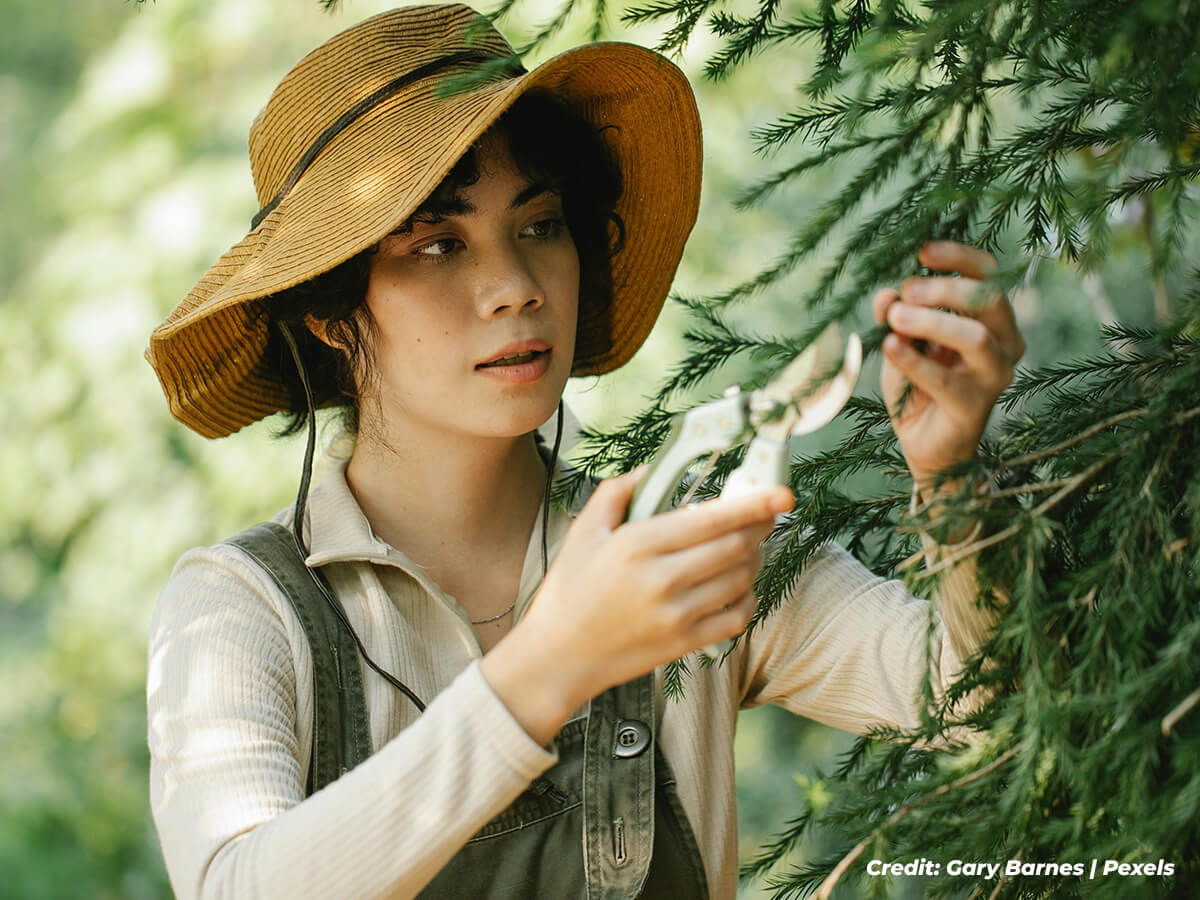
In addition to knowing how and why they prune, arborists also possess knowledge of a wide range of pruning practices and techniques, each tailored to achieve specific objectives. The choice of technique depends on the tree’s species, age, condition, and the desired outcome.
1. Crown Thinning
This technique involves the selective removal of small branches evenly throughout the tree’s crown to improve light penetration and air circulation. It reduces wind resistance, which can be crucial in storm-prone areas, and can also lighten the overall weight of the canopy.
2. Crown Raising (Lifting)
Crown raising involves removing lower branches to provide clearance for pedestrians, vehicles, or buildings. This technique is often used to ensure visibility along pathways or to allow for easier lawn maintenance beneath the tree.
3. Crown Reduction (Topping Alternative)
Unlike harmful “topping,” which indiscriminately cuts back branches, crown reduction is a more careful process of reducing the height or spread of a tree. It involves pruning back larger branches to a smaller lateral branch that is capable of sustaining the branch’s growth. This technique is used to manage tree size, reduce stress on structural defects, or to clear utility lines.
4. Deadwood Removal
This is a fundamental and often ongoing aspect of tree care. Dead, dying, or diseased branches are removed to prevent the spread of decay, improve the tree’s appearance, and eliminate potential hazards.
5. Structural Pruning for Young Trees
This proactive approach focuses on guiding the development of a strong branch structure from a young age. It involves identifying and removing potential problems like co-dominant leaders, crossing branches, and weak branch attachments, ensuring the tree grows into a robust and resilient specimen.
6. Formative Pruning
Similar to structural pruning, formative pruning for ornamental trees aims to establish a desirable shape and density. This can be crucial for trees used as hedges, screens, or focal points in a garden.
3. The Timing is Everything: When to Prune
The timing of pruning is nearly as important as the technique itself. Pruning at the wrong time can stress a tree, inhibit growth, or make it more susceptible to disease.
1. Dormant Season Pruning
For most deciduous trees, the ideal time for major structural pruning is during the dormant season (late autumn to early spring), after leaves have fallen but before new growth begins. This is especially true if you have fruit trees to prune on your property (which is particularly pertinent information if you have fruit trees whose fruit you’d like to improve). At this time, the tree’s energy reserves are focused on root development, and there is less sap flow. The absence of leaves also allows for a clearer view of the tree’s structure.
2. Summer Pruning
While less common for major structural work, summer pruning can be beneficial for specific purposes. It can be used to direct growth, control size, or remove water sprouts and suckers. For some fruit trees, summer pruning can improve fruit production. However, extensive summer pruning can temporarily reduce a tree’s ability to photosynthesize.
3. Pruning for Specific Issues
Dead or diseased branches can and should be removed any time of year to prevent the spread of disease or address safety concerns. Storm-damaged branches also require immediate attention.
4. The Expert Difference: Why Hire an Arborist
While it might be tempting to tackle some pruning tasks yourself, especially for smaller branches, the transformation from an overgrown tree to an outstanding one truly requires the expertise of a certified arborist. Not only do they possess the knowledge and skills to get the job done efficiently, this professional expertise also extends to ensuring the work of pruning is done safely (for both the tree and its surroundings). Given that expertise, it’s only prudent to leave much of the more difficult aspects of tree pruning to the professionals.
1. Knowledge of Tree Biology
Arborists possess a deep understanding of tree physiology, including how trees respond to cuts, the proper angle and location of cuts to promote healing, and the impact of pruning on a tree’s overall health.
2. Specialized Equipment
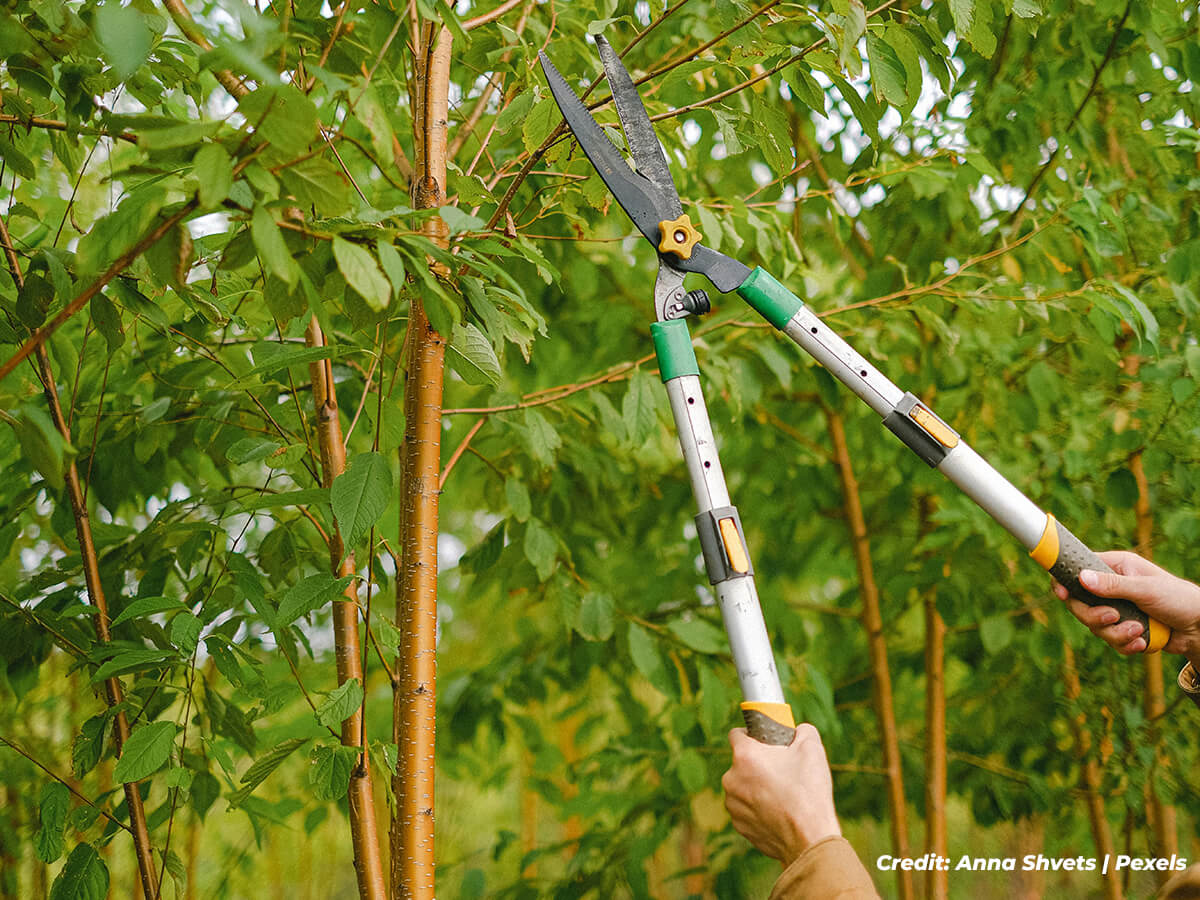
Professional arborists utilize a range of specialized tools and equipment, from ergonomic hand pruners to chainsaws, lifts, and rigging gear, all designed for safe and efficient pruning, especially at height.
3. Safety Protocols
Working with trees, particularly large ones, carries inherent risks. Arborists are trained in rigorous safety protocols, including proper climbing techniques, equipment operation, and hazard assessment, protecting both themselves and your property.
4. Long-Term Vision
An arborist doesn’t just see the immediate problem; they have a long-term vision for the tree’s health and development. They can identify potential issues before they become severe and implement pruning strategies that ensure the tree thrives for years to come.
5. Insurance and Certification
Reputable arborists are typically certified by recognized organizations, indicating they have met rigorous standards of knowledge and practice.
In conclusion, the journey from an overgrown, potentially problematic tree to a magnificent, healthy specimen is a testament to the power of proper pruning. It’s also crucial to think of this investment of time, effort, and money less as a cost but rather an investment in the longevity and beauty of your trees, mean to enhance your property’s value and contribute to a healthier, safer outdoor environment. By understanding what professional arborist services bring to the table for you and your trees, you can ensure that those trees truly stand out for all the right reasons.
When it comes to your trees’ health and safety, it’s only prudent to leave the work to professional arborists who can do the work effectively and safely. Dave Lund Tree Service offers full arborist services, from tree pruning to pest control, all in the name of making your trees safer for their surroundings and more appealing to your property. Give us a call now at (905) 775-1020 to give your tree the care it deserves.