
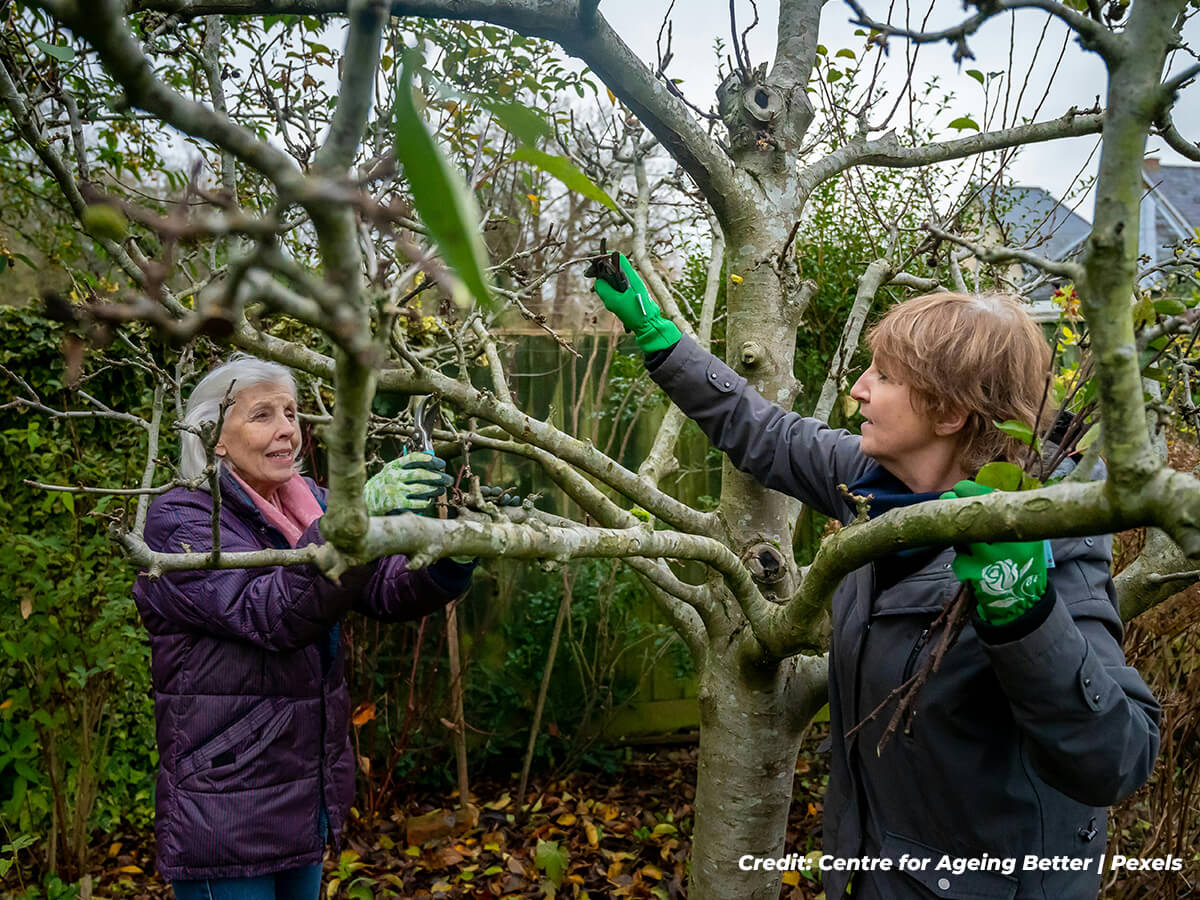
There’s more to proper tree care than watering them regularly and finding effective watering techniques to ensure they get enough to drink. Pruning is a fundamental practice in tree care, and an essential chore for maintaining the health, structure, and aesthetic appeal of your trees. What’s more is that pruning is more than simply cutting branches off your tree; effective pruning is a seasonal art, demanding an understanding of tree biology and growth cycles. Strategic snips, executed at the right time and in the right manner, can go a long way toward improved year-round tree vigour, ensuring bountiful blooms, strong limbs, and a robust defence against pests and diseases.
1. Understanding Tree Dormancy and Active Growth:
The most crucial factor in knowing when to prune is the tree’s physiological state. For most deciduous trees, the dormant season, typically late autumn to early spring before bud break, is the ideal time for significant structural pruning. During dormancy, trees have shed their leaves, making it easier to see the tree’s form and identify branches needing removal. Furthermore, the absence of leaves means the tree is not actively expending energy on foliage, allowing it to direct its resources towards wound healing once cuts are made. This period minimises stress on the tree and reduces the risk of pest and disease entry.
Conversely, during the active growing season (spring and summer), pruning should be limited to light shaping, removing dead or diseased branches, or addressing immediate hazards. Heavy pruning during active growth can stimulate excessive water sprout production, deplete the tree’s energy reserves, and increase susceptibility to stress.
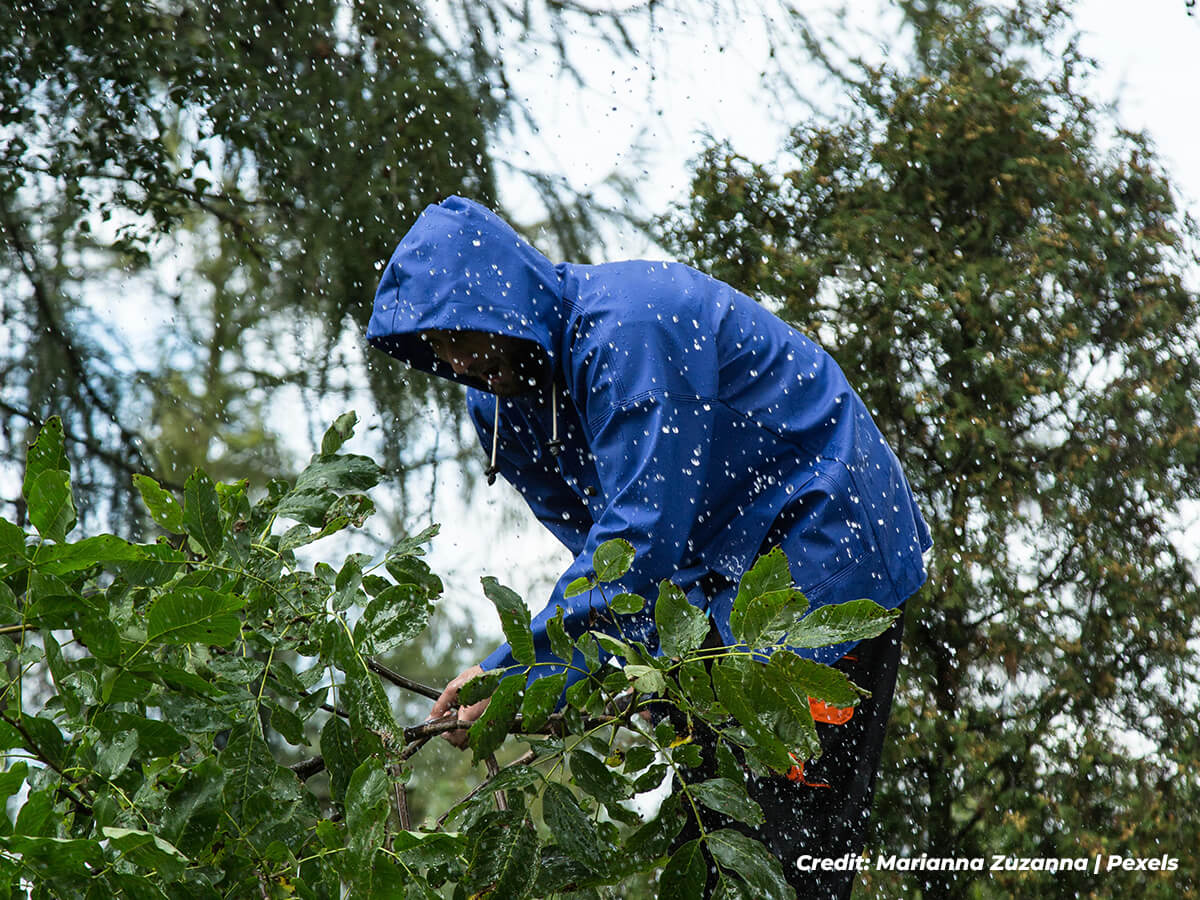
2. Timing is Everything: A Seasonal Guide:
Winter (Dormant Pruning)
Winter is typically a prime time for major structural pruning; equipping yourself with some winter pruning know-how goes a long way to making the most of this season. Remove dead, diseased, or damaged branches. Address crossing or rubbing branches, thin out crowded areas to improve air circulation and light penetration, and reduce the overall size of the crown if necessary. For fruit trees, dormant pruning helps establish a strong framework for future fruit production.
Spring (Post-Bloom Pruning)
For flowering trees that bloom on old wood (e.g., lilacs, forsythias), prune immediately after they finish flowering. This allows them to set buds for the following year. For trees that bloom on new wood (e.g., hydrangeas), prune in early spring before new growth begins. Spring is also an opportune time to remove any winter-damaged branches.
Summer (Light Maintenance)
Summer pruning should be minimal. Focus on removing suckers at the base of the tree, water sprouts growing vertically from branches, and any dead or diseased foliage. Light shaping can be done to maintain desired aesthetics. Avoid heavy cuts, as they can cause excessive sap bleeding and stress the tree.
Autumn (Pre-Dormancy Checks)
As trees prepare for dormancy, this is a good time for a final inspection. Remove any lingering dead, diseased, or hazardous branches that may have been missed. Avoid significant pruning, as new growth stimulated by late-season cuts may not harden off sufficiently before winter, making it vulnerable to frost damage.
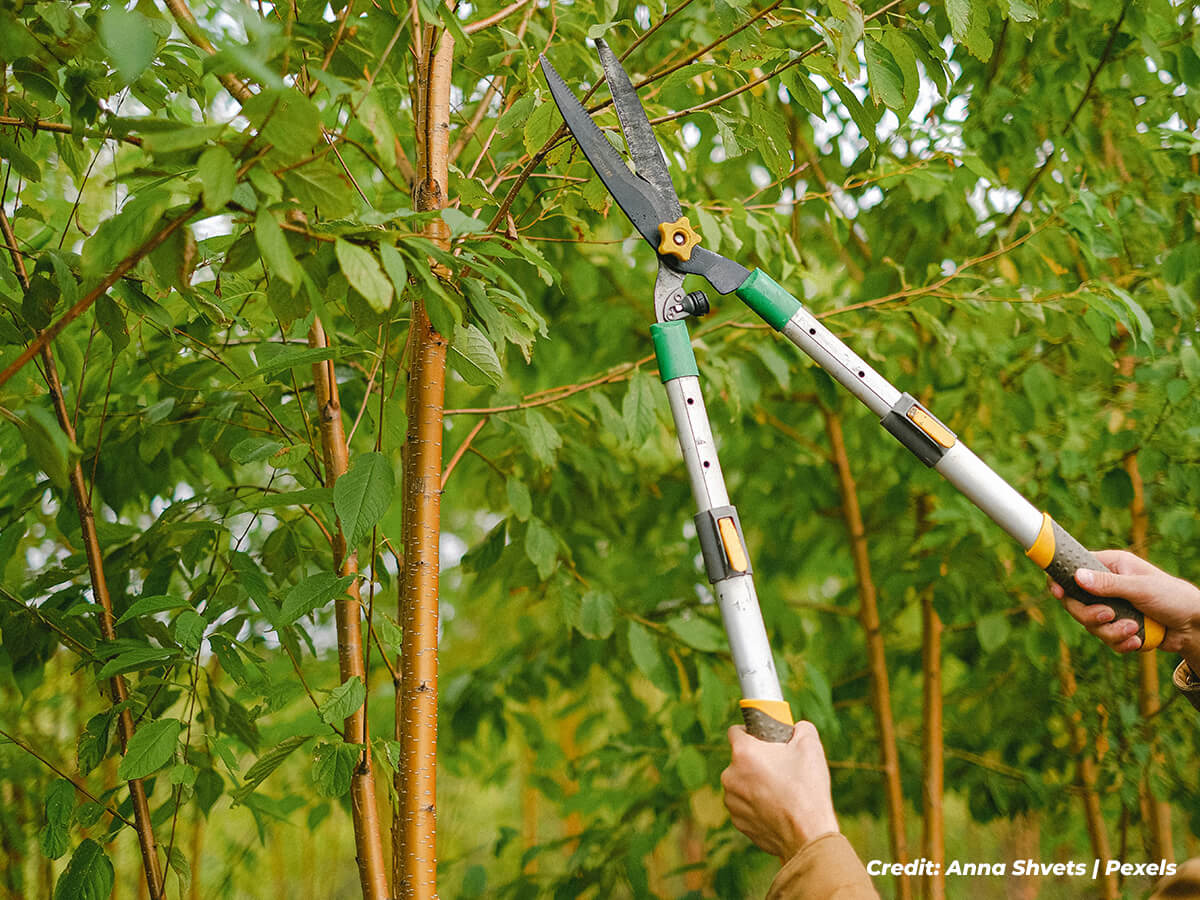
3. The Art of the Cut: How to Prune Effectively:
Proper cutting techniques are just as important as timing. Just as important as pruning well is ensuring you have the right tools for the job. Always use sharp, clean tools to make precise cuts that heal quickly.
Three-Cut Method for Larger Branches
To prevent bark tearing, especially with heavier branches, use the three-cut method. First, make an undercut approximately 30 centimetres from the branch collar, cutting about one-third of the way through. Second, make an overhead cut a few centimetres further out from the undercut, allowing the branch to fall. Third, make a final, clean cut just outside the branch collar, which is the slightly swollen area where the branch meets the trunk or another branch. This collar contains specialised cells that facilitate wound closure.
Removing Smaller Branches
For smaller branches, make a single, clean cut just outside the branch collar. Avoid flush cuts, which remove the branch collar and hinder proper wound healing.
Thinning vs. Heading Cuts
Thinning cuts remove an entire branch back to its origin or to a larger branch, promoting a more open canopy. Heading cuts shorten a branch, encouraging denser growth, which can be useful for shaping but should be used judiciously.
When it comes to pruning, it’s more than possible to learn to do it yourself (at least the safer and less complex aspects of the job). With a little help from these seasonal guidelines and proper pruning techniques, homeowners like you can keep your trees healthy and vigorous trees so they enhance your landscape and boost your curb appeal for years to come.
When you need a helping hand with your trees, it pays to have a professional arborist in your corner to offer that support. Dave Lund Tree Service offers a full range of tree care services, from pruning to tree and stump removal, to ensure your home landscape stays appealing and safe. Give us a call now at (905) 775-1020 to get professional assistance for all your tree-related needs.