
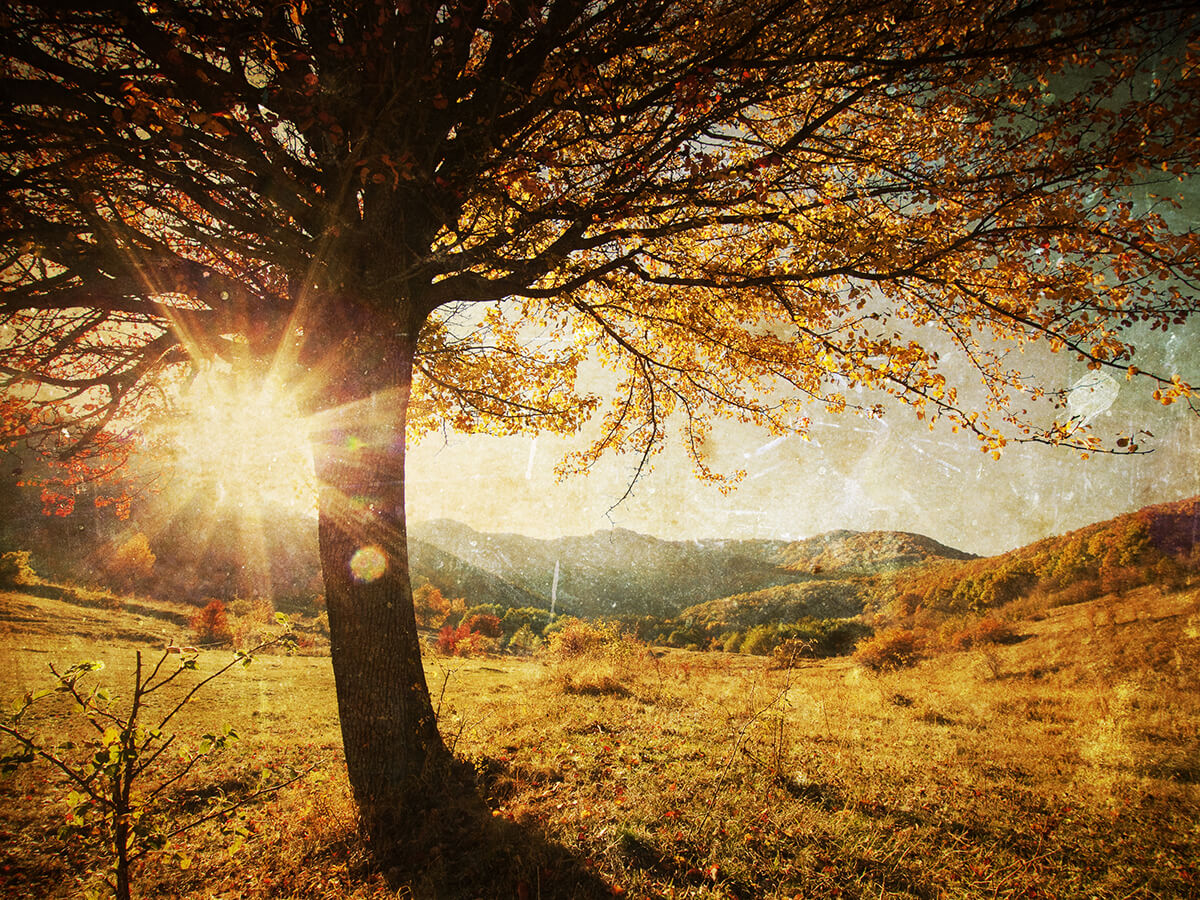
Caring for your trees in the colder months helps them stay strong and safe. As the seasons change, trees face stress from heavy snow, freezing temperatures, and harsh winds that can weaken branches. Without proper attention, these conditions may lead to breakage, disease, or even the loss of an entire tree.
Taking steps in the fall not only reduces the risks of winter damage but also supports healthier growth once spring arrives. With the help of professional tree care, you can ensure your yard stays safe and your trees remain in excellent condition year-round.
How Fall Care Sets Trees Up for Winter Success
As trees shift into dormancy, they become more vulnerable to stress and damage. If they are not cared for in the fall, they may face problems that carry into the next year, such as broken limbs or poor growth. Proper maintenance before winter ensures your trees can survive the season with fewer risks.
Homeowners often overlook fall care, thinking trees can handle winter on their own. However, ignoring this stage can lead to long-term health issues. Licensed arborists provide professional care that ensures each tree gets what it needs to thrive year-round.
How Fall and Winter Conditions Put Trees at Risk
As the weather shifts, trees face several risks that can weaken their structure and overall health. Knowing these threats helps you take the right steps to protect them before winter arrives.
- Cold Weather Stress
Rapid changes between warm days and freezing nights can cause the bark to expand and contract too quickly. This often results in cracks along the trunk, leaving the tree exposed to decay. Over time, these injuries weaken the structure and open pathways for pests and disease.
- Heavy Snow and Ice
Snow and ice create significant weight that many branches cannot support. Limbs already weakened by age or past damage are the first to break under pressure. When these branches fall, they not only harm the tree but can also pose serious risks to nearby property or people.
- Pests and Disease
The cool, damp conditions of fall allow certain insects and fungi to thrive. These pests often target stressed or weakened trees, making them even more vulnerable. Left untreated, infestations or fungal infections can spread quickly and compromise the tree’s long-term health.
- Wind Damage
Strong autumn and winter winds can be especially dangerous for trees that are tall, old, or unstable. High gusts may snap large branches or uproot shallow-rooted trees altogether. Beyond damaging the tree itself, this type of failure often leads to costly property damage.
Essential Tips to Keep Trees Healthy in Fall and Winter
Trees need extra attention as the seasons change from fall to winter. With the right care, you can prevent damage from snow, ice, and cold weather while keeping your trees strong. The following tips outline simple but effective steps to support tree health during the colder months.
- Schedule Professional Tree Pruning
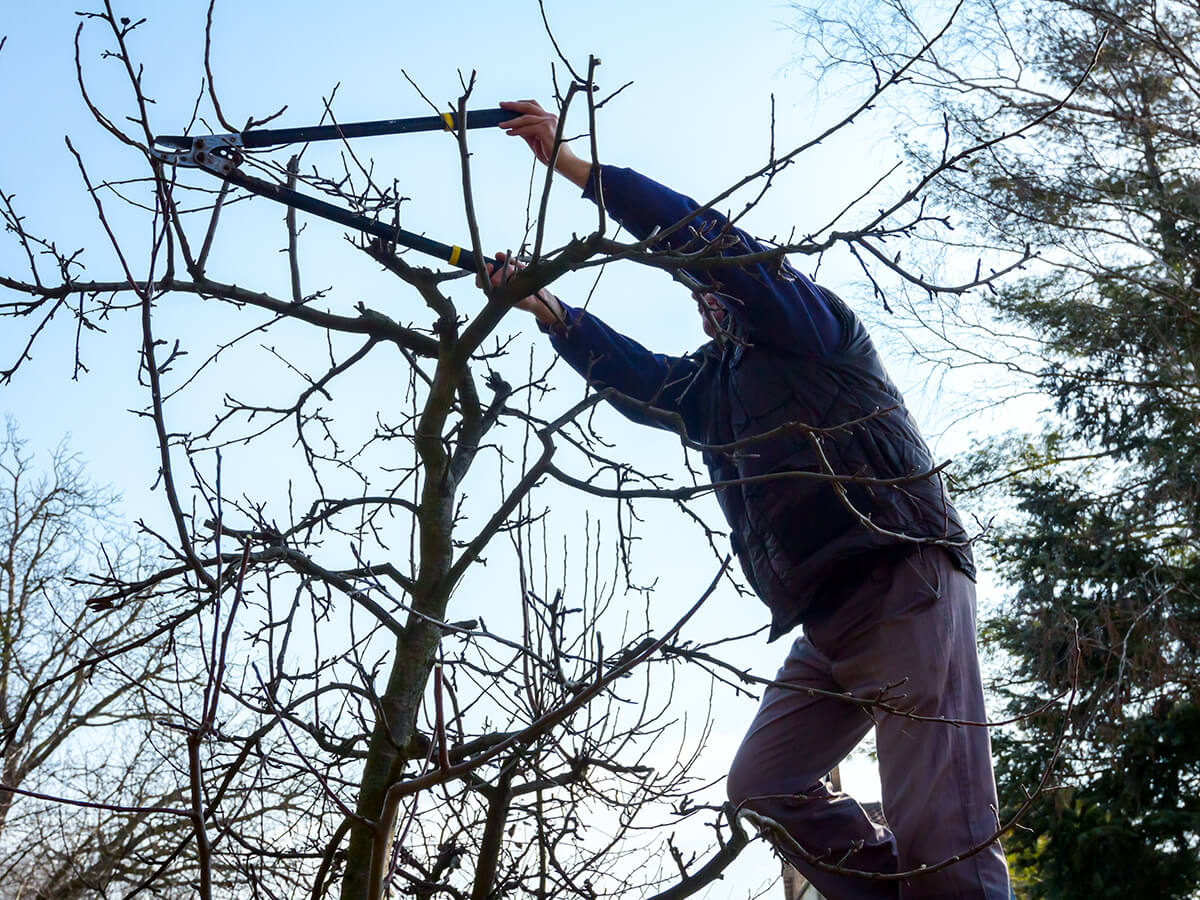
Pruning before winter removes weak or damaged branches that are most likely to break under heavy snow or ice. This not only protects the tree but also reduces risks to nearby property and people. Arborists use specialized tools and techniques to make precise cuts that encourage healthy regrowth. Professionals also ensure trees are not over-pruned, which could otherwise weaken their structure and leave them vulnerable.
- Mulch Around the Base
Mulching provides a protective layer that insulates roots from fluctuating soil temperatures. It helps maintain soil moisture during dry winter months when water access is limited. Professionals know how to apply mulch properly, ensuring it is not piled too close to the trunk, which can lead to rot. Correct placement also prevents rodents from nesting in the material and damaging the tree.
- Water Before the Ground Freezes
A final deep watering before the soil hardens gives trees the hydration they need to withstand dry winter air. Without this step, roots may become stressed, especially in younger or recently planted trees. Arborists often recommend watering techniques suited to different species and soil types. This ensures moisture penetrates deeply enough to sustain the tree throughout the dormant period.
- Protect Young or Newly Planted Trees
Young trees are more susceptible to damage from frost cracks, sunscald, and gnawing animals. Wrapping their trunks with protective materials shields them from these threats during their most vulnerable years. Staking may also be necessary to provide extra support against strong winds and shifting soil. Professionals can recommend suitable wraps and supports based on the tree’s size and location.
- Inspect Trees for Signs of Weakness
Trees with hidden structural issues are more likely to suffer major damage in winter storms. Cracks, cavities, and leaning trunks often indicate deeper problems that need attention. Arborists are trained to identify these risks early and can suggest treatments or removals if needed. A thorough inspection in the fall helps avoid costly emergencies when weather conditions worsen.
- Fertilize to Strengthen Roots
Applying fertilizer in the fall provides essential nutrients that support strong root development during dormancy. Healthy roots help the tree store energy for vigorous growth in the spring. Experts use soil testing to determine the right balance of nutrients for each species. This ensures the tree benefits from targeted care rather than being stressed by excessive or improper fertilization.
- Clear Fallen Leaves and Debris
A buildup of leaves and debris around the base of a tree creates a damp environment where fungi and pests thrive. Over time, this can lead to root rot and other health problems. Removing debris reduces these risks and improves air circulation around the roots. For properties with many large trees, professional cleanup services make this process quicker and more thorough.
- Plan for Storm Preparedness
Winter storms often cause broken branches, uprooted trees, and other hazards. Preparing in advance through pruning and structural assessments reduces the chance of damage. Arborists can identify which branches pose the greatest risks and remove them safely. Many professionals also provide emergency response services if a storm causes unexpected tree failures.
The Benefits of Hiring a Professional Tree Pruning Service
Pruning may look straightforward, but it requires knowledge, skill, and the right equipment. Attempting the task without training can lead to tree damage, personal injury, or long-term health problems for the tree. Hiring professionals provides several advantages that go beyond what basic yard care can achieve.
- Enhanced Safety
Tree pruning often involves climbing, working at height, and handling heavy or sharp equipment. These factors make it one of the most dangerous tasks for untrained homeowners. Professionals follow strict safety standards and use protective gear, reducing risks of injury or property damage.
- Expert Knowledge of Tree Biology
Cutting a branch in the wrong place or at the wrong time can harm the tree’s ability to heal. Arborists understand how trees respond to pruning and make cuts that encourage healthy growth. Their expertise ensures the tree develops a strong structure while minimizing vulnerability to pests and disease.
- Improved Long-Term Health
Proper pruning prevents overcrowding, reduces the spread of disease, and improves air and light circulation within the canopy. Over time, these benefits strengthen the tree’s resilience against environmental stress. A tree that is regularly maintained by professionals is more likely to thrive for decades.
- Time and Convenience
Pruning requires planning, cleanup, and disposal of large branches, which can be overwhelming for homeowners. By hiring a professional service, the entire process is handled efficiently from start to finish. This saves time while ensuring the work is completed to a high standard.
Frequently Asked Questions
- How often should trees be inspected for potential health risks?
Trees should generally be inspected at least once a year by a certified arborist. Seasonal changes, storms, and pest activity can cause sudden damage, so annual checks help detect problems early. Mature or high-value trees may require more frequent monitoring, especially in urban environments. Regular assessments not only prevent hazards but also extend the lifespan of the tree.
- Are there warning signs that indicate a tree may fail soon?
Warning signs include deep cracks in the trunk, leaning that has recently worsened, dead branches, and fungal growth at the base. A sudden loss of leaves outside of seasonal changes may also indicate root damage. Hollow cavities or peeling bark are additional red flags that suggest decay. Arborists can assess these signs more thoroughly to determine the level of risk.
- Can tree diseases spread to nearby healthy trees?
Many tree diseases, especially fungal infections, can easily spread to neighbouring trees. Spores may travel through wind, water, or even contaminated tools used during pruning. Insects can also act as carriers, transferring pathogens from one tree to another. To prevent outbreaks, diseased trees require prompt treatment or removal under professional guidance.
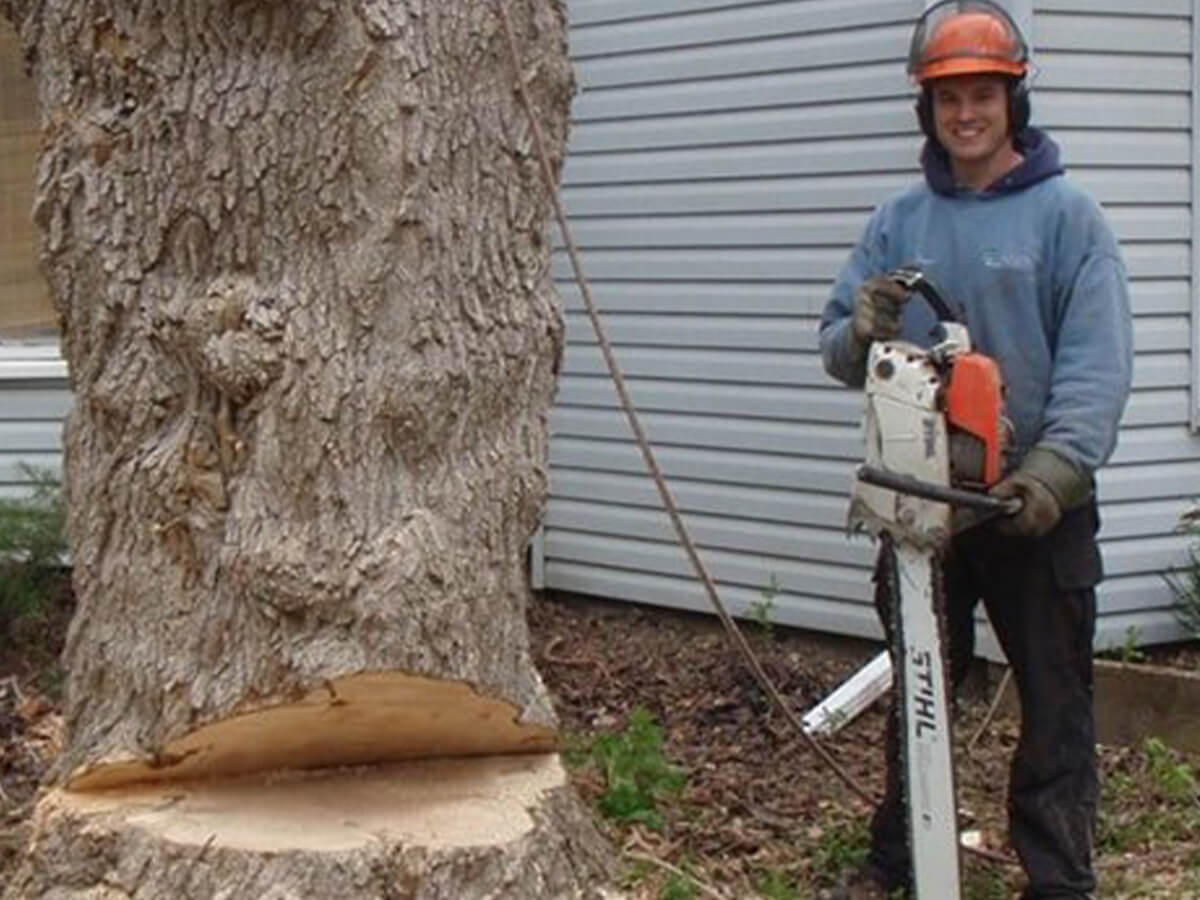
Keep Your Trees Safe with Dave Lund Tree Service
Professional tree care makes a big difference during harsh seasons. With tree service in Markham from our team, you get expert pruning, reliable storm preparation, and ongoing support. Don’t wait for branches to break or pests to spread—take action today to keep your trees strong.
Call us now at 1-800-363-0511 to schedule your fall tree care and pruning. Our team will handle the hard work while you enjoy peace of mind, knowing your trees are protected through winter and beyond.